Tal to an Expert ( Team )

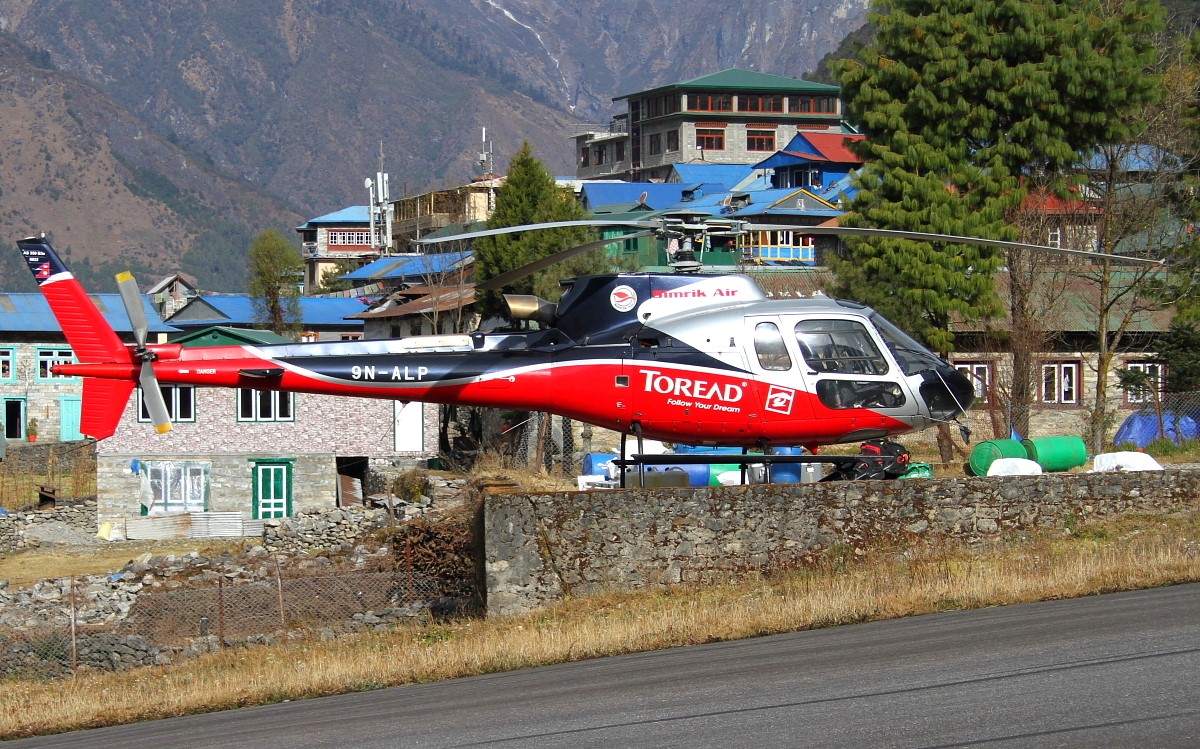
Nepal is one of the most geographically diverse countries in the world, stretching from lowland plains just a few hundred meters above sea level to the summit of Mount Everest at 8,848.86 meters in the Solukhumbu region. No other nation offers such an extreme vertical gradient within such a short distance. Over 83% of Nepal is covered by rugged hills and high Himalayan mountains, making ground transportation difficult, time-consuming, and in many areas impossible.
In this challenging terrain, helicopters play a vital role in safe transportation, emergency response, rescue operations, and tourism logistics. Helicopter aviation in Nepal began in the 1960s with American Bell helicopters leased by Nepal Airlines, followed by Soviet Mi-4 helicopters that connected remote mountain regions. Today, Nepal operates a well-developed helicopter sector with 11 licensed commercial helicopter companies, operating dozens of aircraft across the country.
Helicopter services in Nepal support a wide range of essential operations, including:
With the steady growth of helicopter operations over the past decade, aviation safety has become more critical than ever. Nepal’s mountainous geography, rapidly changing weather, high-altitude landings, and limited infrastructure present unique operational challenges. As a result, strict safety standards and regulatory oversight are essential to ensure safe helicopter operations throughout the country.
Safety is the highest priority in global aviation. Nepal, as a member of the International Civil Aviation Organization (ICAO), aligns with international safety goals and frameworks aimed at reducing aviation risks and fatalities. The Government of Nepal, through the Civil Aviation Authority of Nepal (CAAN), actively regulates and monitors helicopter operations nationwide.
Under the Nepal Aviation Safety Plan (NASP), developed in line with ICAO’s Global Aviation Safety Plan, key operational risk areas have been identified, including:
CAAN continuously monitors Safety Enhancement Initiatives (SEIs) to ensure compliance and risk reduction. Nepal has also begun implementing a State Safety Program (SSP), strengthening national safety management systems across all aviation sectors, including helicopter operations.
Nepal’s helicopter industry invests heavily in pilot training, crew certification, safety audits, and operational discipline. Flight crew members undergo specialized mountain-flying training, high-altitude performance assessment, and emergency response preparation.
Every individual involved in helicopter operations—pilots, engineers, ground staff, and crew—shares responsibility for:
A strong safety culture, professional leadership, operational planning, and risk-aware decision-making have significantly improved helicopter safety performance in Nepal over the past decade.
For passengers flying with Nepalchopper.com or any helicopter service in Nepal, following basic safety practices is essential:
At Nepalchopper.com, helicopter safety is not optional—it is fundamental. Every flight is operated with strict adherence to national and international aviation standards, ensuring safe, reliable, and responsible helicopter services across Nepal’s most demanding landscapes.
Whether flying for trekking access, rescue, medical evacuation, or sightseeing, passengers can trust that safety, professionalism, and regulatory compliance remain the top priorities in Nepal’s helicopter aviation sector.
© 2011 - 2026 All rights reserved. Nepal Chopper Pvt. Ltd.