Tal to an Expert ( Team )

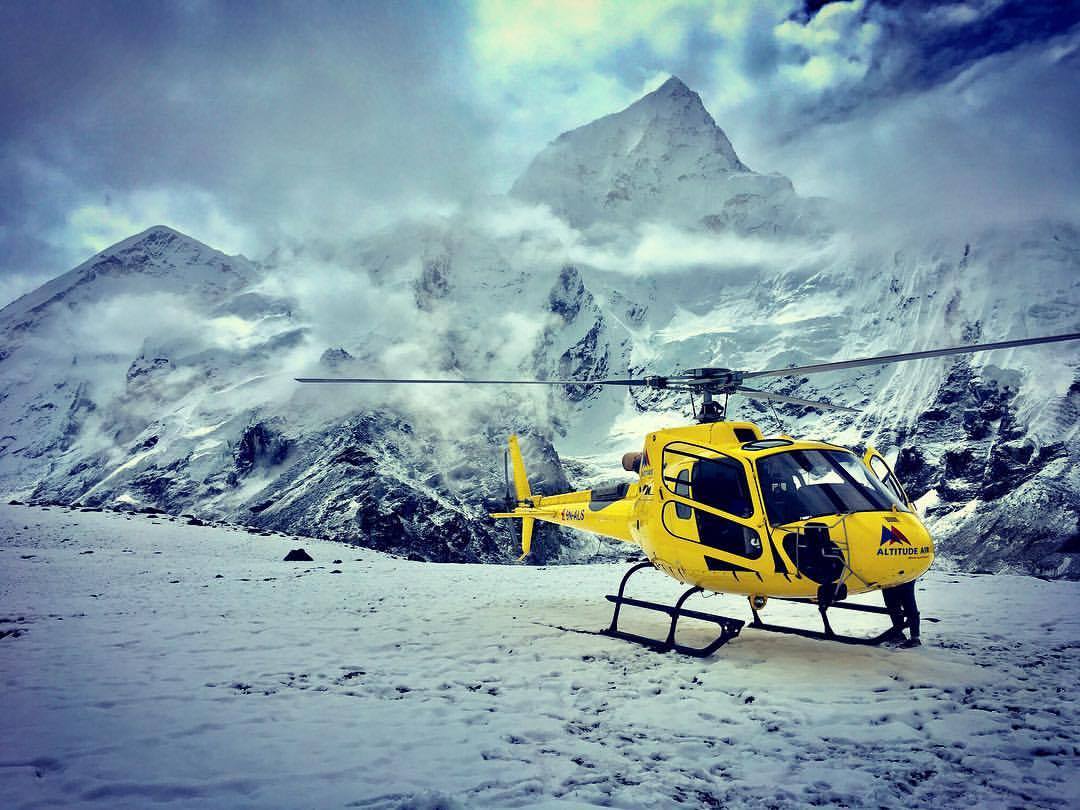
Helicopter operations in the Himalayan region of Nepal are governed by strict weather operating standards. Due to extreme terrain, high altitude, and rapidly changing meteorological conditions, weather is the single most critical factor influencing helicopter flight safety.
The Himalayas create complex micro-weather systems where conditions can change within minutes. Clear skies at Kathmandu or Lukla do not guarantee safe weather conditions along the entire flight route. Valleys, ridgelines, and glaciers can trap clouds, generate strong winds, and reduce visibility unexpectedly.
For this reason, helicopter flights in Nepal operate under conservative weather limitations with safety as the highest priority.
The Pilot-in-Command has absolute authority to decide whether a helicopter flight proceeds, delays, diverts, or returns. Commercial schedules, passenger requests, or operational pressure never override weather-based safety decisions.
If weather conditions deteriorate at any point during the flight, the pilot may immediately return to the departure point or land at the nearest safe location.
Adequate horizontal and vertical visibility is mandatory. Fog, low clouds, haze, or snowfall that restricts terrain visibility results in immediate flight cancellation or delay.
Cloud bases must remain sufficiently high to keep the entire flight corridor open. Clouds trapped inside valleys or covering ridge crossings are considered unsafe.
Whiteout conditions caused by snow, cloud, or flat light are strictly prohibited. When the horizon and ground references disappear, helicopters cannot safely operate.
Generally stable weather with excellent visibility in the mornings. Afternoon winds and cloud buildup are common.
Frequent rain, low cloud cover, fog, and reduced visibility. Helicopter operations are highly restricted and subject to frequent cancellations.
The best season for helicopter flights with clear skies, stable air, and excellent mountain visibility.
Cold temperatures, snow accumulation, icy helipads, and occasional whiteout conditions. Stricter operational limitations apply.
Himalayan routes such as Lukla, Everest Base Camp, Gokyo Valley, Annapurna Base Camp, and remote mountain rescue zones are extremely sensitive to weather changes.
Even if departure and destination weather appears favorable, unsafe conditions along any segment of the route will result in flight delay or cancellation.
Compliance with Civil Aviation Authority of Nepal (CAAN) directives is mandatory for all operators.
Himalayan helicopter flights demand the highest level of weather awareness and operational discipline. Strict adherence to weather operating standards ensures safe, reliable, and responsible aviation in one of the world’s most challenging flying environments.
© 2011 - 2026 All rights reserved. Nepal Chopper Pvt. Ltd.