Tal to an Expert ( Team )

 Best price guaranteed No booking fees Safe Trip Plan
Based on 341 Reviews
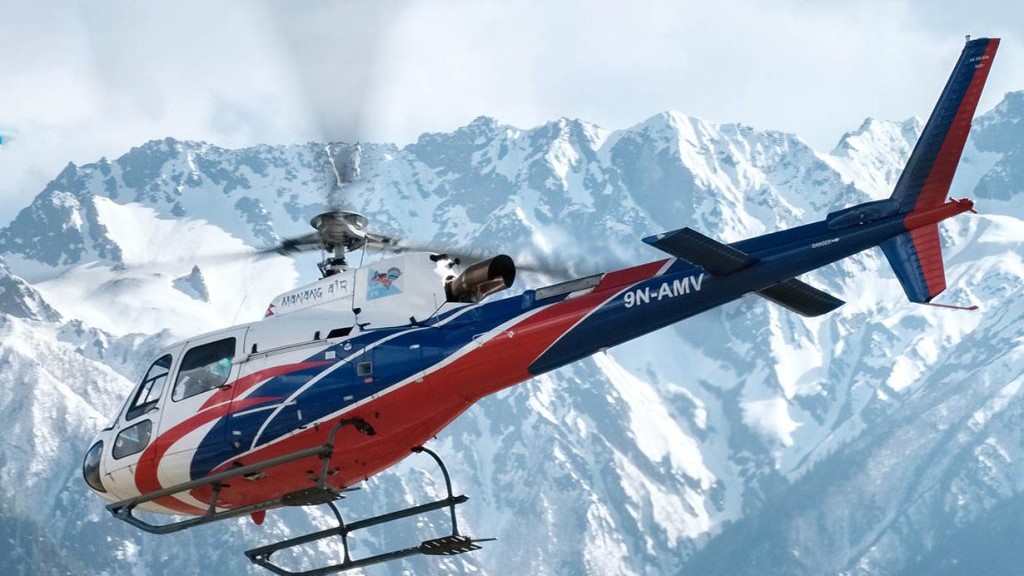
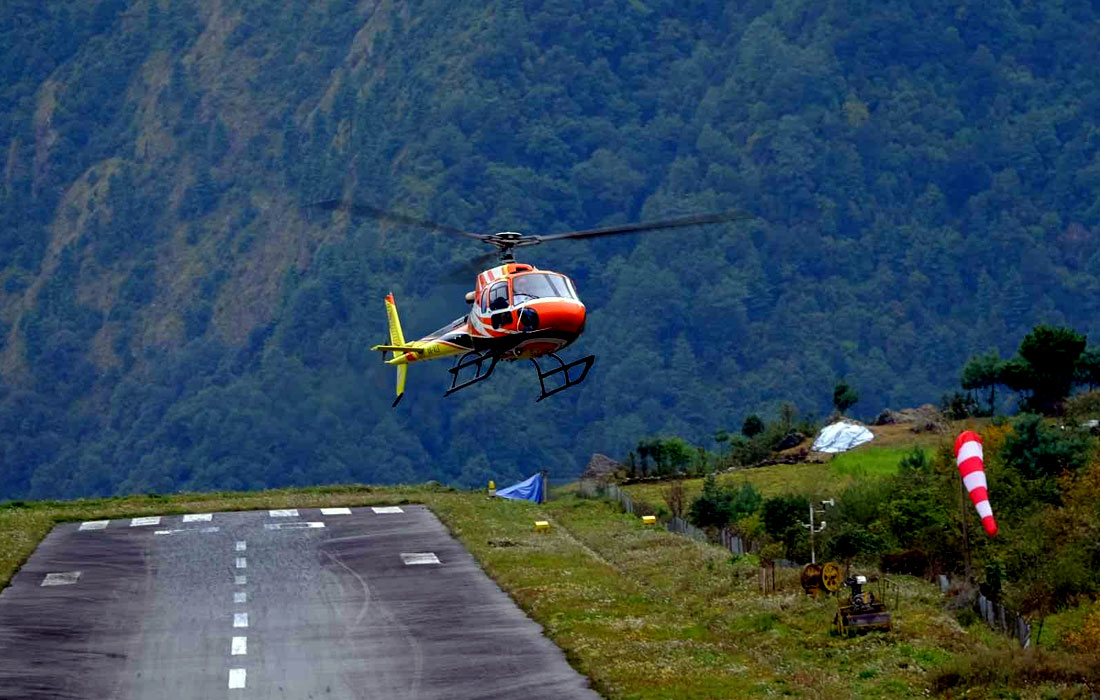
Rescue operations on Kanchenjunga, the world's third-highest mountain, are among the most complex and challenging in the mountaineering world. Kanchenjunga, standing at 8,586 meters (28,169 feet), is located on the border between Nepal and the Indian state of Sikkim. The mountain is renowned for its treacherous weather, avalanches, and difficult terrain, making rescue missions particularly hazardous. Helicopter rescues on this peak are extremely rare due to the following challenges:
Altitude and Weather Conditions:
Terrain and Topography:
Technical Limitations of Helicopters:
Helicopter Assistance for Lower Camps:
Sherpa Involvement:
Successful High-Altitude Rescues:
Rescue missions on Kanchenjunga require meticulous planning and coordination between the mountaineers, rescue teams, and helicopter pilots. Key factors include:
Helicopter rescues on Kanchenjunga are among the most difficult and dangerous in the world due to the mountain's extreme altitude, harsh weather conditions, and challenging terrain. Successful rescues are a testament to the skill and bravery of the pilots and rescuers involved. Most rescues require a combination of ground assistance to bring climbers to lower altitudes and the use of helicopters only when conditions permit. For more information on Kanchanjung Rescue Contact Nepal Chopper.
 4.9 Excellent 278 Reviews form Google
A Yes, helicopter rescue from the Kanchenjunga region is possible, but it is one of the most challenging rescue operations in Nepal. Kanchenjunga lies in a very remote and restricted area in eastern Nepal, with limited landing zones, unpredictable weather, and extreme altitude. Rescue flights depend heavily on weather conditions, visibility, wind, altitude, and landing feasibility. In some cases, long-line rescue (without landing) may be required if terrain does not allow safe touchdown.
A Helicopter rescues in the Kanchenjunga region are typically possible up to 5,500–6,000 meters, depending on aircraft type, weather, and payload. Common rescue points include: Kanchenjunga Base Camp areas High camps on trekking routes Remote valleys and glacier zones At very high altitudes, helicopters may operate with single passenger lifts, and sometimes require multiple shuttle flights to safely evacuate the injured or ill person.
A Once confirmed, a helicopter rescue can usually be arranged within 2–6 hours, depending on: Weather conditions Time of day (morning flights are preferred) Availability of helicopter and crew Permit clearance (Kanchenjunga is a restricted area) In emergency situations, rescue coordination often begins immediately after receiving GPS location, patient condition, and insurance confirmation. Delays can occur if weather conditions are unsafe.
A The cost of helicopter rescue from Kanchenjunga is higher than most regions in Nepal due to distance, remoteness, and fuel requirements. Estimated costs: USD 6,000 – USD 10,000+, depending on location and flight time Long-line rescue or multiple rotations can increase the cost Most rescues are covered by travel insurance, provided the policy includes high-altitude helicopter evacuation. Rescue operators usually coordinate directly with insurance companies for payment approval.
A To initiate a helicopter rescue, the following information is usually required: Exact GPS coordinates or location name Patient’s medical condition (injury, AMS, HAPE, HACE, etc.) Number of people to be rescued Weather condition at the site Contact person on the ground Travel insurance details (policy number & emergency contact) Providing accurate information helps rescue teams plan the safest and fastest evacuation.
 Best price guaranteed
No booking fees
Safe Trip Plan
Best price guaranteed
No booking fees
Safe Trip Plan
Response Time 0-2 Hours , Response Rate 100%
© 2011 - 2026 All rights reserved. Nepal Chopper Pvt. Ltd.