

By Nepal Chopper 15 Aug 2023
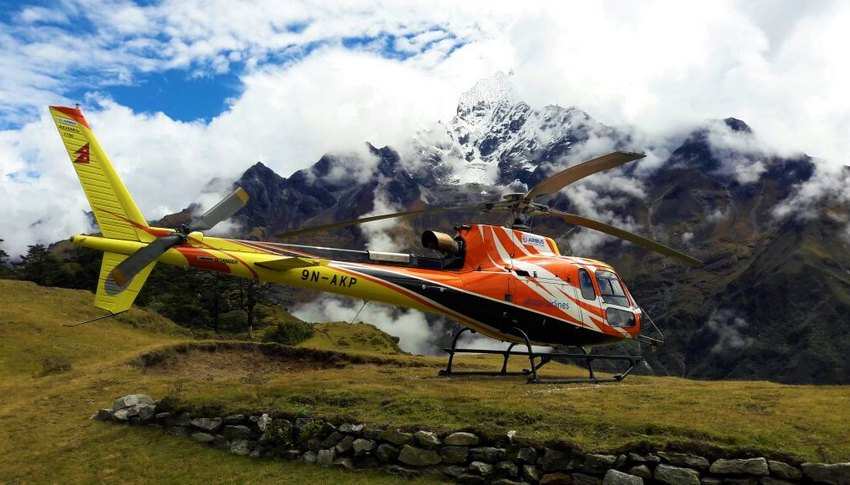
Are Helicopters Safe In Nepal
As of my last knowledge update in September 2021, helicopter safety in Nepal can be a bit variable. Nepal is known for its challenging terrain, mountainous landscapes, and unpredictable weather conditions, which can make flying in helicopters riskier compared to flying in less challenging environments. However, many helicopter operators in Nepal have been providing services for a long time and have developed a good level of expertise in navigating these conditions.
It's important to research and choose a reputable helicopter operator if you plan to fly in Nepal. Look for operators with a strong safety record, experienced pilots, and well-maintained aircraft. Additionally, keep in mind that weather conditions, especially in mountainous areas, can change rapidly, leading to flight delays or cancellations.
Make sure to stay informed about the current situation, check weather forecasts, and follow the advice of experienced pilots and local authorities. If you're concerned about safety, you might also consider using other forms of transportation, such as ground transportation or domestic flights.
For the most up-to-date information, I recommend checking with reliable sources closer to your travel date, such as official government advisories and travel forums where travelers share their recent experiences.
Helicopter crashes can occur for a variety of reasons, and it's important to note that not all helicopters are equally prone to accidents. Helicopter safety has improved significantly over the years due to advancements in technology, training, and regulations. However, certain factors can still contribute to helicopter crashes:
What is the risk of crashing in a helicopter?
- Mechanical Failures: Helicopters are complex machines with many mechanical components. Failures in any of these components, such as engines, rotors, or transmission systems, can lead to accidents. Regular maintenance and inspections are crucial to minimizing the risk of mechanical failures.
- Weather Conditions: Helicopters are more susceptible to adverse weather conditions compared to fixed-wing aircraft due to their smaller size and lower altitude operations. Poor visibility, strong winds, icing, and turbulent conditions can make flying a helicopter challenging and increase the risk of accidents.
- Pilot Error: Human factors play a significant role in helicopter accidents. Pilot error can involve mistakes in navigation, communication, decision-making, or handling the aircraft. Fatigue, distraction, and inadequate training can contribute to these errors.
- Terrain and Environment: Helicopters are often used in challenging environments such as mountainous regions, forests, and urban areas. Maneuvering in these areas requires precision and skill. If a pilot misjudges the terrain or encounters unexpected obstacles, it can lead to accidents.
- Operational Issues: Helicopter operations involve a wide range of missions, from search and rescue to tourism. Each mission comes with its own set of challenges, and operational errors can occur if procedures are not followed correctly.
- Fuel Management: Running out of fuel can be catastrophic for any aircraft, including helicopters. Proper fuel management and accurate calculations of fuel requirements are essential to prevent accidents related to fuel exhaustion.
- Lack of Training and Experience: Inadequate training and limited experience can lead to pilots struggling to handle emergency situations effectively or making incorrect decisions under pressure.
- Regulatory Oversight: In some regions, there might be less stringent regulatory oversight on helicopter operations, leading to potential safety issues. It's important to choose operators and pilots who adhere to safety regulations and industry best practices.
- Aging Fleet: Older helicopters might have higher maintenance requirements and could be more prone to mechanical failures. Regular maintenance and upgrading to newer models can mitigate this risk.
- It's important to recognize that the aviation industry, including helicopters, continually works to improve safety through advancements in technology, training programs, regulations, and safety management systems. While accidents do happen, the overall safety record of helicopter operations has improved over time.
What is the risk of crashing in a helicopter?
The risk of crashing in a helicopter varies based on multiple factors, including the type of operation, the environment, pilot experience, maintenance practices, and the specific helicopter model being used. Helicopter safety has significantly improved over the years due to advancements in technology, training, and regulations, but it's essential to understand that flying in any aircraft involves some level of risk.
Helicopter accidents are relatively rare, especially when flown by experienced and well-trained pilots from reputable operators. Commercial helicopter operations, such as those conducted by established charter companies, tour operators, and emergency services, typically have a strong safety culture and adhere to strict regulations.
The risk of crashing in a helicopter can be further mitigated by:
- Choosing Reputable Operators: Opt for operators with a proven safety record, experienced pilots, well-maintained helicopters, and a commitment to safety protocols.
- Pilot Experience and Training: Experienced pilots who have undergone thorough training and have accumulated flight hours are better equipped to handle various situations, including emergencies.
- Proper Maintenance: Regular maintenance and adherence to maintenance schedules are crucial for helicopter safety. Well-maintained aircraft are less likely to experience mechanical failures.
- Weather Conditions: Helicopter operations can be more challenging in adverse weather conditions. Operators that prioritize safety over flight schedules are more likely to make the right decision to delay or cancel flights in unfavorable weather.
- Passenger Briefings: Following safety instructions provided by the pilot or crew, such as buckling seatbelts and following emergency procedures, can improve passenger safety.
- Personal Behavior: Following safety guidelines and instructions, such as staying seated and not distracting the pilot, can contribute to a safer flight.
- It's important to note that while the risk of crashing in a helicopter is relatively low, it's not zero. When considering any form of transportation, it's essential to weigh the benefits against the potential risks and make informed decisions based on your comfort level and the information available to you.
why helicopter is called chopper
The term "chopper" is a colloquial nickname for helicopters. The origins of this term can be traced back to the early days of helicopter development, specifically during World War II and its aftermath. The nickname "chopper" is thought to have originated from the distinctive chopping sound that early helicopter rotor blades made as they spun through the air. The noise was quite distinct from the sound of fixed-wing aircraft engines, and the term "chopper" stuck as a way to describe this new type of aircraft. Over time, the term "chopper" became synonymous with helicopters, and it is often used informally in various contexts. While "helicopter" is the proper and technical term for these aircraft, "chopper" is a more casual and commonly recognized term that has become a part of aviation vernacular.
Recent From Blogs
24 Dec 2022
29 Mar 2023

29 Mar 2023
03 Apr 2023
03 Apr 2023
04 Apr 2023
05 Apr 2023
26 Jun 2023
03 Jul 2023