

By Nepal Chopper 28 Oct 2025
Everything You Need To Know About Hourly Helicopter Rates In Nepal
What Affects the Pricing and How to Book Smart
Hiring a helicopter in Nepal is one of the fastest and most scenic ways to reach remote destinations — from Everest Base Camp to Muktinath, or Pokhara to Annapurna Base Camp. However, it’s also one of the most premium services in the country. Here’s a complete breakdown of hourly helicopter rates in Nepal, what affects the cost, and how to get the best value when booking.
1. What Are the Going Rates?
Helicopter charters in Nepal are relatively expensive due to the country’s mountainous terrain, high altitude operations, and complex logistics.
| Type of Service | Typical Rate | Notes |
|---|---|---|
| Private Full-Charter | USD 1,300–3,000 per hour | Entire helicopter for your group (1–5 passengers). |
| Average Estimate (Nepal) | NPR 150,000–180,000 per hour (~USD 1,150–1,400) | Standard rate used by many operators. |
| Shared Sightseeing Flight | USD 300–450 per person (1 hour) | Cost is split among passengers. |
✅ Example:
A Kathmandu–Lukla charter flight (45 minutes) costs about NPR 350,000–450,000 (~USD 2,700–3,500) for up to 5 passengers.
2. Why Helicopter Prices Are High in Nepal
Several factors make helicopter operations more expensive in Nepal than in most other countries:
-
Terrain & Altitude: High-altitude operations require more power, safety measures, and pilot skill.
-
Fuel & Logistics: Remote areas mean costly refueling and maintenance logistics.
-
Helicopter Type:
-
Robinson R44: ~USD 1,200–1,600/hr
-
Bell 206 / AS350: ~USD 2,000–3,000/hr
-
-
Permit & Landing Fees: Some zones (like Everest, Annapurna, or Mustang) require special permits.
-
Seasonal Demand: Rates rise during spring (Mar–May) and autumn (Sep–Nov).
-
Purpose of Flight: Sightseeing, rescue, and filming missions have different pricing structures.
3. Typical Routes & Example Costs
| Route / Service | Duration | Typical Cost (Charter) | Notes |
|---|---|---|---|
| Kathmandu – Lukla | 45 min | USD 2,700–3,500 | Up to 5 passengers |
| Kathmandu – Pokhara | 1 hr | USD 2,000–2,500 | Common for luxury travelers |
| Pokhara Scenic Flight | 1 hr | USD 300–450 per person | Shared sightseeing |
| Everest View / Kalapatthar Overfly | 3–4 hrs | USD 5,000–6,500 (charter) | Includes landing at Kalapatthar |
| Rescue / Evacuation | Variable | USD 2,000+ | Based on urgency & distance |
4. What “Per Hour” Really Means
When you’re quoted an hourly rate, it generally includes:
-
Time from take-off to landing, including repositioning or refuelling.
-
Minimum flight time: often 1–2 hours minimum charge.
-
Extra waiting or ground time may incur additional costs.
-
Weather delays: some operators charge standby or holding fees.
? Tip: Always confirm if ground idle time counts toward the hourly total.
5. How to Save Money and Get Better Value
Helicopter flights in Nepal don’t have to break the bank if you plan smart. Here are key tips:
✅ Join a Shared Flight: The easiest way to reduce cost per person.
✅ Book in Off-Peak Season: Winter and monsoon months may have lower rates.
✅ Clarify Inclusions: Ask if rates include fuel, landing fees, and pilot costs.
✅ Check Minimum Flight Time: Pay only for the actual hours flown.
✅ Choose the Right Helicopter: Match helicopter size to your group size.
✅ Plan Around Weather: Avoid standby or cancellation fees.
✅ Request Written Quote: Transparent cost breakdown prevents hidden charges.
6. When Does It Make Sense?
Helicopter charters are worthwhile in several situations:
-
Limited time but want to reach remote or scenic destinations.
-
Need evacuation due to illness or bad weather during treks.
-
Desire for exclusive experiences (weddings, VIP trips, filming).
-
Transporting gear or supplies to remote locations.
If you have more time and flexibility, fixed-wing flights or trekking may offer far better value.
7. Sample Cost Breakdown (in NPR)
| Example | Rate (USD/hr) | Rate (NPR/hr) | Duration | Total (NPR) | Per Person (5 pax) |
|---|---|---|---|---|---|
| Standard Charter | $1,500 | NPR 195,000 | 1 hr | NPR 195,000 | NPR 39,000 |
| Long Charter | $1,500 | NPR 195,000 | 1.5 hr | NPR 292,500 | NPR 58,500 |
| Shared Flight | $400/person | NPR 52,000 | 1 hr | N/A | NPR 52,000 |
8. Questions to Ask Before Booking
Before confirming your helicopter flight, make sure to ask:
-
What model and capacity of helicopter will be used?
-
What’s included in the hourly rate (fuel, pilot, fees)?
-
What’s the minimum flight charge?
-
What happens in weather delays or cancellations?
-
Are there extra landing or remote fees?
-
How is cost shared among passengers?
-
What’s the refund or reschedule policy?
-
Are there safety certifications and insurance?
-
What are payment options and currency terms?
9. What model and capacity of helicopter will be used?
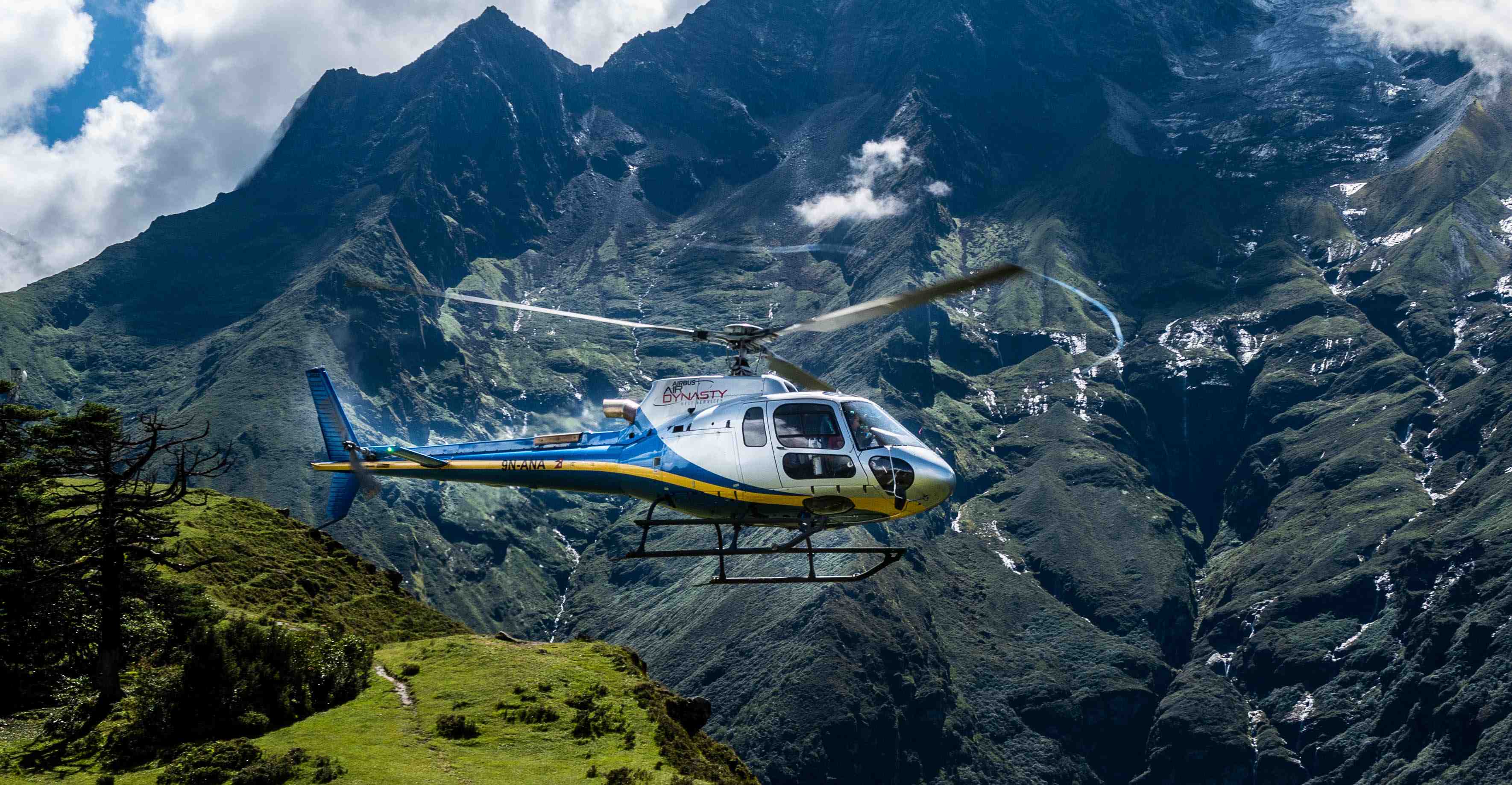
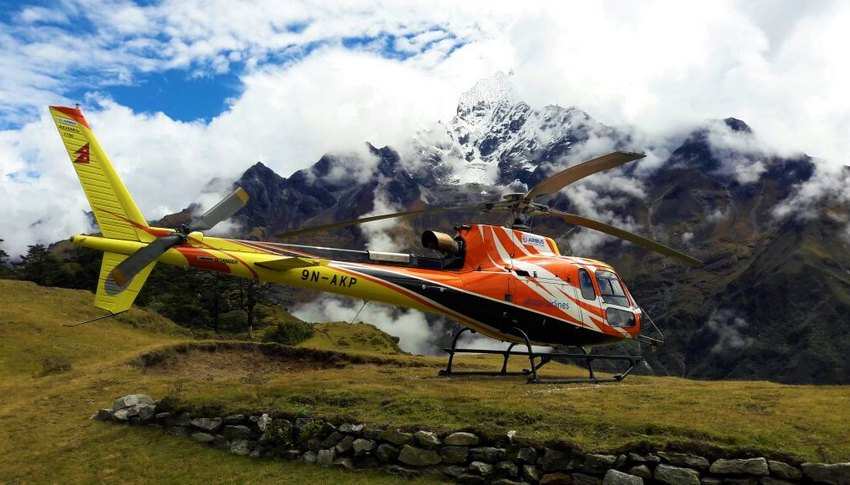
In Nepal, the most commonly used helicopters for mountain flights and charters are Airbus AS350 B3e (H125), Bell 206 Jet Ranger, Robinson R44, and occasionally MI-17 for large cargo or rescue missions.
-
The AS350 B3e is the most popular for high-altitude operations (up to Everest Base Camp and above 20,000 ft) and carries up to 5 passengers plus the pilot.
-
Bell 206 accommodates around 4 passengers, ideal for short scenic flights.
-
Robinson R44 is smaller and more economical, suitable for 2–3 passengers and short-distance flights.
Always confirm the helicopter model, seating arrangement, and maximum weight limit (usually 450–500 kg total including passengers and baggage) before booking.
10. What’s included in the hourly rate (fuel, pilot, fees)?
The standard hourly charter rate in Nepal usually includes:
-
Helicopter and pilot service
-
Fuel and operational costs
-
Basic landing and parking fees
-
Insurance coverage for passengers
However, some costs may not be included, such as: -
Extra landing or special permit fees for restricted areas (e.g., Gaurishankar, Mustang)
-
Refueling charges at remote airstrips
-
Ground waiting time beyond standard limits
-
Airport taxes or service fees for commercial zones.
To avoid surprises, always ask for a written breakdown of inclusions and exclusions.
11. What’s the minimum flight charge?
Most helicopter companies in Nepal have a minimum charge of 1 hour per charter, even if the flight duration is shorter.
For instance, a 30-minute flight may still be billed as 1 hour, because the operator must cover positioning, warm-up, and post-flight maintenance.
Some operators may require a 2-hour minimum for long-distance or high-altitude destinations.
Always confirm the minimum billing time before booking, especially if your route is short or point-to-point.
12. What happens in weather delays or cancellations?
Mountain weather in Nepal can change rapidly. Helicopter flights are subject to strict visual flight rules (VFR), meaning they can only operate in clear conditions.
If your flight is delayed or cancelled due to weather:
-
Operators usually reschedule for the next available window at no extra cost.
-
If full cancellation occurs, you may be entitled to a partial or full refund, depending on company policy.
-
Standby charges may apply if the helicopter and crew are already on hold for your trip.
Always review the weather-related refund or reschedule policy in writing before confirming.
13. Are there extra landing or remote fees?
Yes, certain locations in Nepal require special landing permits or fees, especially in national parks, restricted areas, or private helipads.
Examples include:
-
Everest Region: Sagarmatha National Park fee, local landing charge (e.g., Lukla, Kalapatthar, Syangboche).
-
Annapurna / Mustang: ACAP permit, local administration fees.
-
Restricted zones (e.g., Upper Mustang, Dolpo): government clearance may incur additional costs.
Confirm with your operator whether such fees are included in the total price or charged separately on-site.
14. How is cost shared among passengers?
If you’re joining a shared or group flight, the cost is divided equally among the number of passengers onboard.
For example:
If the total flight cost is USD 1,800 for 1 hour and there are 4 passengers, each pays USD 450.
However, shared flights depend on availability of other travelers on the same route/date.
For full private charters, you’ll pay the entire helicopter rate regardless of the number of passengers.
Ask your operator if seat-sharing options are available to reduce costs.
15. What’s the refund or reschedule policy?
Each operator’s refund and rescheduling policy may vary. Generally:
-
Full refund is offered for cancellations due to bad weather or operational issues.
-
Partial refund (after administrative or standby deductions) may apply for voluntary cancellations by passengers.
-
No refund is provided for last-minute no-shows or cancellations within 24 hours of departure.
If rescheduled due to weather or mechanical issues, flights are usually prioritized the next day.
Always ask for written terms and refund percentages to understand your rights before making payment.
16 Are there safety certifications and insurance?
All registered helicopter operators in Nepal must hold a valid Air Operator’s Certificate (AOC) issued by the Civil Aviation Authority of Nepal (CAAN).
Reputed companies maintain:
-
Regular aircraft maintenance logs
-
Experienced mountain-certified pilots
-
Comprehensive passenger insurance (domestic or international coverage)
Before booking, you can request to see the operator’s AOC and insurance policy details to ensure compliance with CAAN safety standards.
17. What are payment options and currency terms?
Payments are generally accepted in:
-
USD or NPR (Nepalese Rupees)
-
Via bank transfer, credit card, or cash payment at the operator’s office.
If paying in foreign currency, confirm the exchange rate applied and whether VAT or service tax is included.
Some operators may charge an additional 3–4% for card transactions.
For international clients, paying in USD via secure transfer or online gateway is often easiest and traceable.
Always request an official invoice or payment receipt mentioning the total cost, tax, and inclusions.
Final Thoughts
Helicopter services in Nepal are an unforgettable experience — offering incredible views of the Himalayas and saving days of travel time. However, it’s a premium option, usually costing over USD 1,000 per hour for a private charter.
If you plan ahead, join a shared flight, and confirm all details in writing, you can enjoy Nepal’s sky-high beauty safely and smartly — without unnecessary surprises.
Recent From Blogs
24 Dec 2022
29 Mar 2023
29 Mar 2023
03 Apr 2023
03 Apr 2023
04 Apr 2023
05 Apr 2023
26 Jun 2023
03 Jul 2023