
By Nepal Chopper 14 Jan 2026
Helicopter For Marriage In Nepal
In recent years, inquiries about using a helicopter for marriage in Nepal have increased, influenced by global luxury trends, social media exposure, and destination wedding concepts. While helicopter weddings may appear glamorous, the reality in Nepal is very different. Considering Nepal’s social structure, cultural values, aviation regulations, safety priorities, and real ground economic conditions, helicopter use for marriage purposes is not practical, responsible, or socially appropriate. For these reasons, most licensed helicopter companies, destination management companies (DMCs), and responsible tourism operators in Nepal consciously avoid accepting helicopter wedding requests.
Helicopter for marriage in nepal: why it is not suitable & meaningful alternatives for lifetime memories
In recent years, the idea of using a helicopter for marriage in Nepal has gained attention through social media trends and luxury wedding inspirations from abroad. While helicopters are extremely valuable for rescue operations, medical evacuation, remote area access, and adventure tourism, using a helicopter purely for wedding rituals or bridal entry is neither practical nor culturally meaningful in the Nepali context. Nepal’s social values, economic realities, safety considerations, and environmental responsibilities all suggest that helicopters should be respected for their essential purposes rather than ceremonial display.
Why Helicopter Weddings Are Not Suitable in Nepal
First and foremost, Nepal is a culturally rich country where marriage is a sacred social and family event, not a show of luxury. Traditional Nepali weddings emphasize family bonding, community participation, rituals, and blessings, not extravagance. Using a helicopter for marriage often creates social discomfort and can be perceived as unnecessary display of wealth, which goes against the values of simplicity and respect held by most Nepali families.
From a practical and safety perspective, helicopters are highly sensitive aircraft. Wedding venues are usually crowded, lack proper helipads, and do not meet aviation safety standards. Operating a helicopter in such environments increases risk to guests, property, and the couple themselves. Weather instability, dust, noise, and rotor wash can easily disrupt ceremonies and pose serious hazards.
Economically, Nepal is still a developing country, where helicopters play a vital role in saving lives during emergencies, disasters, and medical evacuations. Using these limited aviation resources for ceremonial purposes raises ethical concerns, especially when communities in remote regions rely on helicopters for survival and essential transport.
Additionally, helicopter operations create significant noise and environmental impact. Nepal, known for its natural serenity and spiritual landscapes, must be careful not to promote unnecessary air traffic for non-essential events. Respecting nature is deeply rooted in Nepali culture and religious belief.
The True Purpose of Helicopters in Nepal
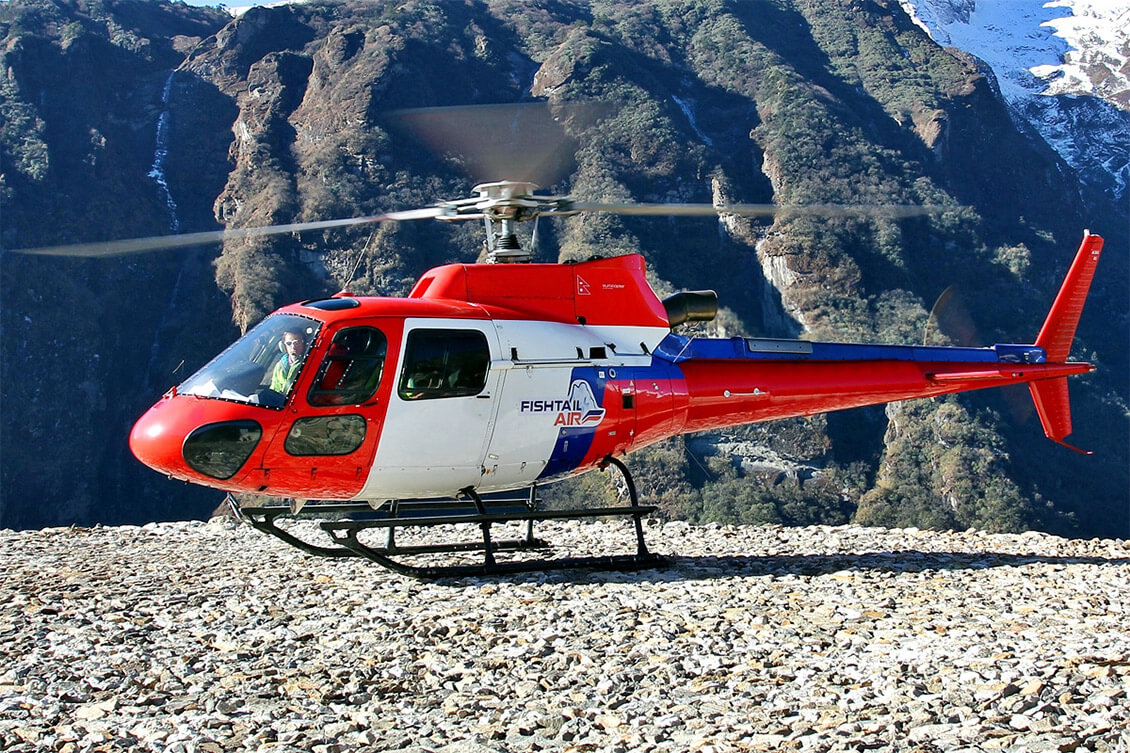
Helicopters in Nepal are best utilized for mountain rescue missions, medical evacuations, remote trekking logistics, pilgrimage support, and high-altitude tourism such as Everest or Annapurna helicopter tours. These uses align with national needs, safety regulations, and sustainable tourism practices.
Using helicopters responsibly helps preserve their dignity, availability, and public trust.
Social and Cultural Responsibility in Nepal
Nepal is a country deeply rooted in community values, cultural harmony, and social balance. A wedding is not only a personal celebration but also a family and community event. Using a helicopter purely for marriage symbolism can unintentionally create social imbalance, cultural discomfort, and unnecessary public pressure, especially in a developing country where many people still face economic challenges. Responsible tourism and ethical business practice in Nepal prioritize respect, humility, and inclusiveness, rather than displays of extreme luxury that do not align with local realities.
Real Economic Ground Reality
Nepal is still developing its healthcare, education, infrastructure, and disaster preparedness systems. Helicopters in Nepal are essential resources, primarily used for:
- Emergency medical evacuation (medevac)
- Mountain rescue operations
- Disaster response
- Remote area supply and humanitarian missions
- Tourism access to inaccessible Himalayan regions
Using helicopters for marriage ceremonies diverts attention and resources from these life-saving and nation-critical purposes. For many aviation operators, accepting helicopter wedding flights conflicts with ethical aviation use and social responsibility commitments.
Safety, Regulation, and Aviation Ethics
All helicopter operations in Nepal are regulated by the Civil Aviation Authority of Nepal (CAAN). Helicopter flights are approved strictly for tourism, rescue, logistics, and official charters. Wedding-related flights often involve:
- Non-essential landing requests
- Crowd presence in unsafe areas
- Symbolic flights without operational necessity
- Increased risk exposure for passengers and crew
Given Nepal’s challenging weather, high-altitude terrain, and unpredictable wind conditions, helicopter flights must always prioritize safety over celebration. For this reason, helicopter companies in Nepal responsibly decline marriage-related charter requests.
Environmental and Spiritual Sensitivity
Many proposed helicopter wedding locations fall within or near:
- Himalayan conservation areas
- Sacred landscapes
- Cultural heritage zones
- National parks
Helicopter noise, downwash, and landings can negatively impact wildlife, monasteries, and spiritual environments. Nepal’s mountains are not just scenic—they are sacred, ecological, and cultural spaces. Responsible operators avoid activities that may disrespect this balance.
Meaningful Alternatives: Create Timeless Wedding Memories Without Helicopters
Instead of helicopter weddings, Nepal offers deeply meaningful, visually stunning, and culturally respectful alternatives that create lifelong memories—without compromising ethics or safety.
1. Himalayan Pre-Wedding & Post-Wedding Photoshoot
A Himalayan wedding photoshoot is one of the most beautiful and responsible alternatives. Couples can capture unforgettable moments with:
- Snow-capped peaks
- Sunrise mountain backdrops
- Rhododendron forests
- Traditional villages
- Peaceful monasteries
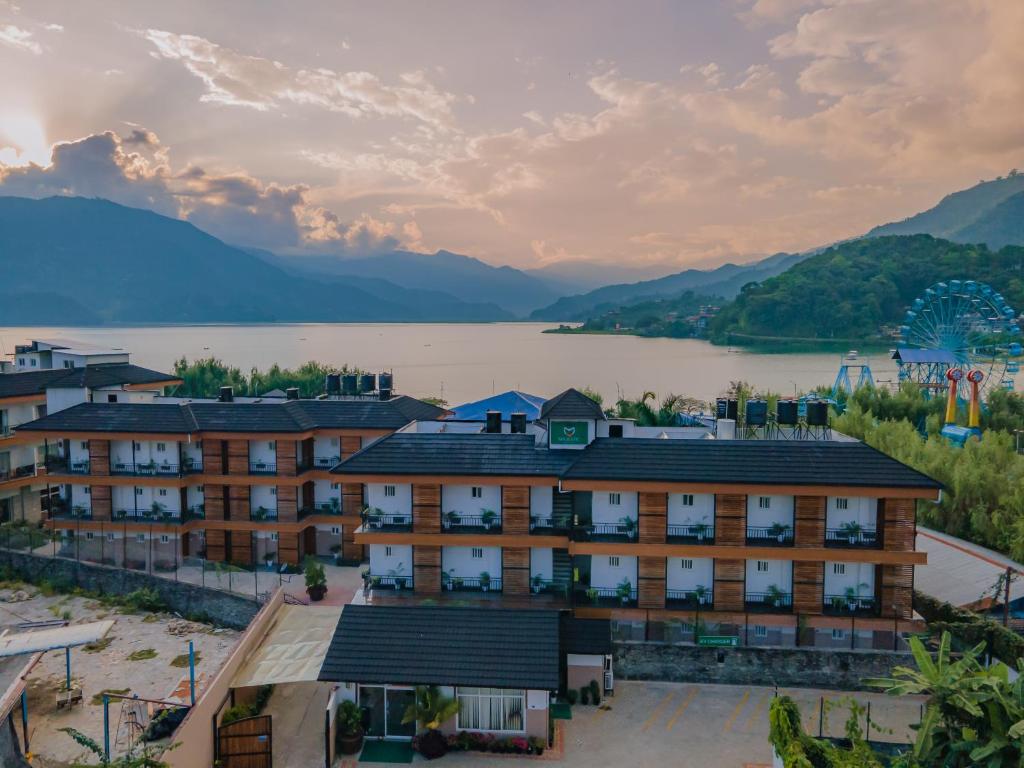
Popular and accessible locations include Nagarkot, Dhulikhel, Pokhara, Sarangkot, Australian Camp, Ghandruk, Poon Hill, and Everest View areas (without helicopter landings).
2. Nature-Based Destination Wedding in Nepal
Nepal offers breathtaking nature-based wedding venues that blend elegance with authenticity:
- Lakeside weddings in Pokhara
- Hilltop resorts near Kathmandu Valley
- Jungle resorts in Chitwan
- Mountain-view lodges in Annapurna and Langtang regions
These venues support local employment, sustainable tourism, and cultural respect, while offering stunning wedding settings.
3. Cultural & Traditional Wedding Experiences
Couples can enhance their wedding memories by incorporating:
- Nepali cultural attire
- Traditional music and rituals
- Local cuisine
- Heritage architecture as backdrop
These experiences create emotional depth and storytelling value far beyond a short helicopter flight.
4. Adventure & Memory Travel After Marriage
Instead of a helicopter wedding, couples can invest in:
- Honeymoon trekking
- Luxury mountain lodges
- Wellness retreats
- Nature retreats and photography tours
These experiences offer shared journeys, personal growth, and lasting emotional connection, which align beautifully with the meaning of marriage.
Conclusion: Responsibility Creates Real Luxury
True luxury in Nepal is not about airborne displays—it is about meaning, respect, safety, and connection with nature. While helicopter use for marriage in Nepal may seem attractive on the surface, it does not align with Nepal’s social values, economic reality, aviation ethics, or environmental responsibility. Choosing nature-based photography, cultural weddings, and Himalayan memory experiences is not only more practical—it is more beautiful, more ethical, and more memorable.
By celebrating love in harmony with people, culture, and the Himalayas, couples create memories that last a lifetime—without compromising responsibility.
Recent From Blogs
24 Dec 2022
29 Mar 2023
29 Mar 2023
03 Apr 2023
03 Apr 2023
04 Apr 2023
05 Apr 2023
26 Jun 2023
03 Jul 2023