

By Nepal Chopper 14 Nov 2025
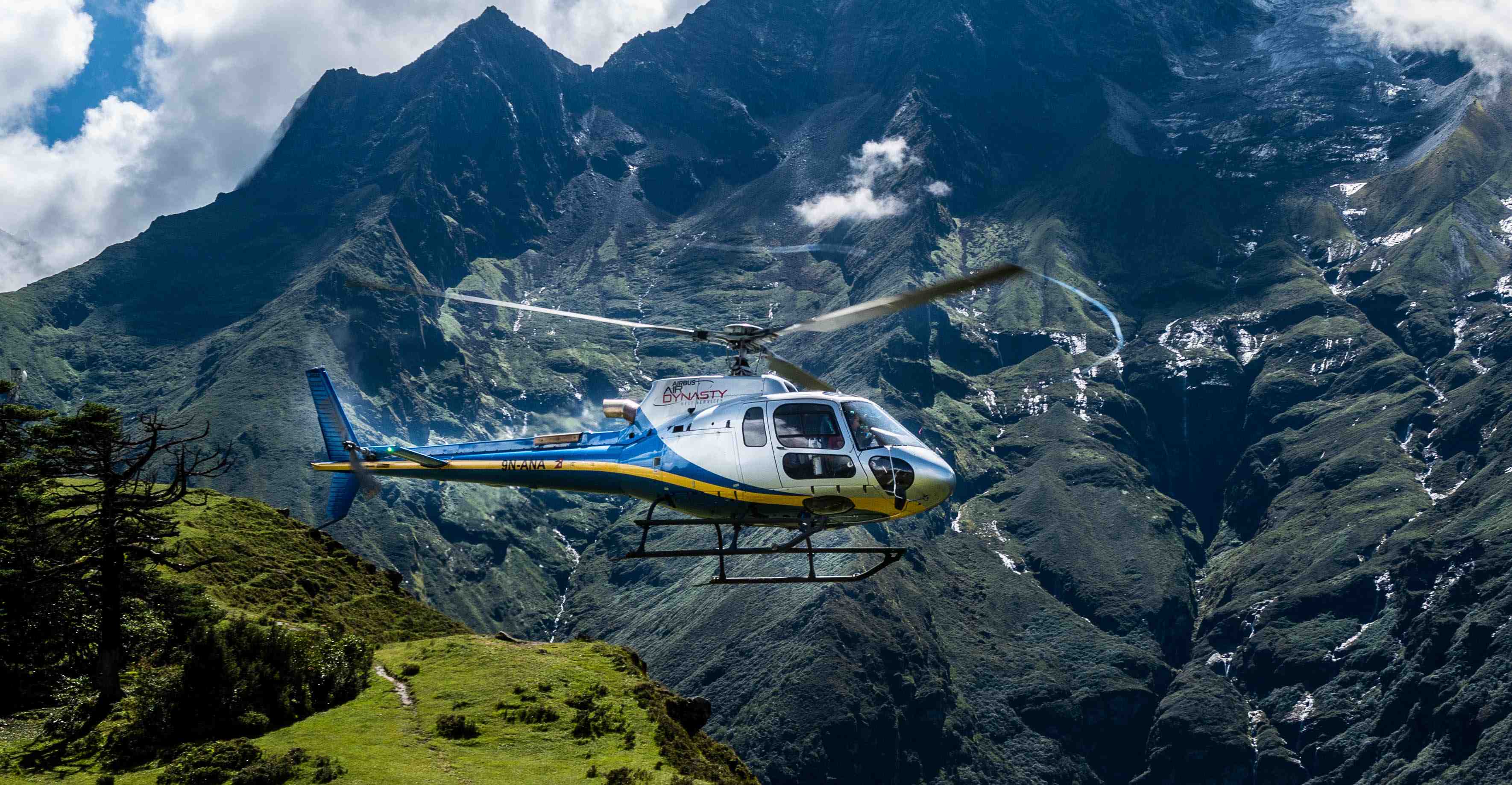
Helicopter Rescue Air Ambulance In The Nepal Himalayas
Helicopter rescues (medevac) save lives in Nepal’s mountains — but they aren’t cheap. This guide explains typical costs, how rescues are organised, who provides services, insurance considerations, and practical tips for trekkers and expedition leaders.
Overview: Why Helicopter Rescue Matters in Nepal
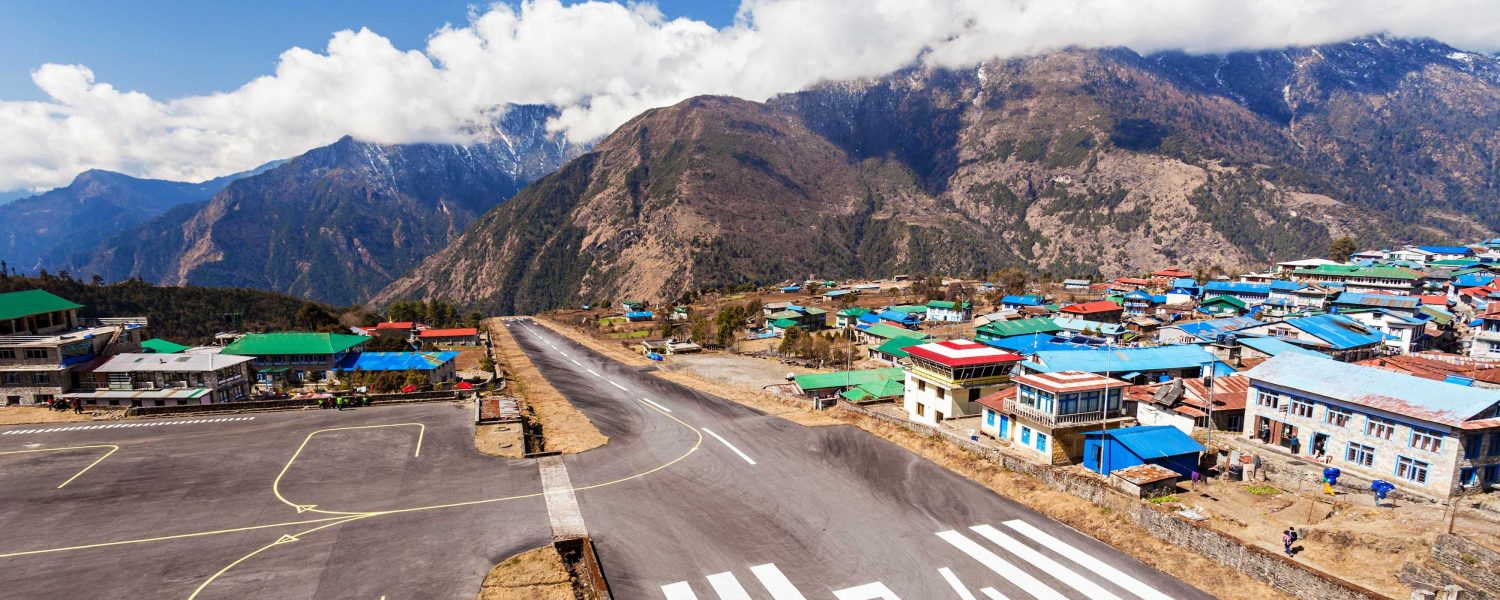
Nepal's terrain makes fast ground transport impossible in many places. When serious illness (like severe altitude sickness), major injury, or life-threatening conditions occur during trekking or climbing, a helicopter rescue — often combined with on-board medical care — is frequently the only practical option to reach a hospital quickly. Air ambulance services include rapid helicopter evacuation (HEMS), aeromedical fixed-wing transfers, and inter-hospital critical care transfers.
How a Typical Medevac / Helicopter Rescue Works
- Call / Dispatch: A mountaineering guide, agency, or local clinic contacts a helicopter operator or central dispatch with patient condition, GPS location and urgency.
- Assessment & Clearance: The operator evaluates weather, landing site options (LZ), altitude, and aircraft capability. Some rescues require specialized high-altitude helicopters and experienced pilots.
- Medical Team: Depending on the operator and case, flights may include paramedics or doctors and basic ICU equipment (oxygen, suction, splints, vacuum mattress).
- Flight & Transfer: The helicopter flies to the LZ, teams stabilize the patient, and the patient is transported to the nearest suitable hospital or airport for further transfer.
- Billing & Paperwork: Operators require payment or a guarantee (insurance) before or immediately after transport; paperwork and customs/permits may be needed for cross-border transfers.
How Much Does a Helicopter Rescue in Nepal Cost?
Costs vary dramatically by region, distance, altitude and operator. The most important variables are: flight time (helicopters typically bill hourly), complexity of the rescue (technical winching, high altitude), medical team requirements, and post-rescue hospital transfer distance.
| Region / Typical Route | Estimated Price Range (USD) | Notes |
|---|---|---|
| Everest Base Camp → Kathmandu | $4,000 – $7,000 | Higher altitude, often longer flight times and specialized HEMS — cost variable with weather & LZ. |
| Annapurna Base Camp → Pokhara / Kathmandu | $2,000 – $5,500 | Often cheaper than Everest due to lower altitude and closer airports, but still expensive. |
| Langtang / Helambu → Kathmandu | $2,000 – $4,500 | Region close to Kathmandu—shorter flight times reduce cost. |
| Remote / Very High or Distant Regions | $5,000 – $15,000+ | Longer flights, technical rescues or multi-leg transfers increase price. |
| Hourly Charter Rate (general) | $1,300 – $3,500 per flight hour | Depends on helicopter model, operator, and season. |
Note: The ranges above are estimates for planning and can change with operator pricing, season, weather delays, and emergency complexity. Always confirm costs with your insurer and local operator before your trip.
Top Providers & What They Offer
Several operators and rescue organizations provide helicopter medevac in Nepal. Services vary — some specialise in high-altitude HEMS; others in charter and airport transfers. If you’re planning a trek with an agency, ask who they use for evacuations and whether they have a standing agreement with an operator.
- Helicopter EMS operators — provide high-altitude capable helicopters configured for patient care.
- Commercial charter companies — can provide helicopters and pilots quickly but may not always include medical staff or ICU equipment.
- Non-profit rescue organisations — sometimes offer reduced-rate or subsidised rescues for certain conditions or communities.
Insurance & Payment: What You Need to Know
Helicopter rescues are expensive. Proper travel and evacuation insurance that specifically covers high-altitude helicopter evacuation is essential. Key insurance points to check:
- Does the policy explicitly cover helicopter evacuation from trekking altitudes (e.g., above 4,000 m)?
- Does insurance cover the full cost or just a percentage? Are there caps/maximums?
- Does the insurer require pre-approval or will they guarantee payment directly to the operator?
- How quickly does the insurer respond to an evacuation request (24/7 hotline)?
How to Prepare — Before & During Your Trek
- Buy the right insurance: Read the fine print and ensure helicopter evacuation at high altitude is covered.
- Keep emergency contacts on hand: Save operator numbers, your agency’s contact, and your insurer’s 24/7 helpline.
- Travel with a guide or agency: Local teams know how to contact operators and coordinate LZs faster than individuals.
- Pack a communication device: Satellite phone or GPS messenger (e.g., Garmin inReach) — useful where mobile networks fail.
- Plan logistics: Pre-arrange evacuation plans with your guide/agency and confirm nearest hospitals and airports.
Operational Challenges & Safety Considerations
Even with money and insurance, helicopter rescues can be delayed or impossible due to:
- Weather: Fog, high winds, snow, or cloud can ground helicopters.
- Altitude limits: Not all helicopters can operate safely at extremely high passes or glaciers.
- Landing zones: Lack of a safe LZ may require technical winch operations or stretcher carry to a nearby LZ.
- Medical stabilization: Time taken to stabilize a patient before flight may be medically necessary — don’t rush a poorly stabilized patient into transport.
Frequently Asked Questions (Detailed)
Can I be evacuated without insurance?
Short answer: Yes — rescues will usually be performed, but you'll likely face significant bills or need a payment guarantee.
What typically happens:
- Upfront payment or guarantee: Operators commonly request immediate payment, credit-card authorization, or a written guarantee from your insurer, embassy, or your trekking agency before dispatching the aircraft.
- Payment methods: Card payments, international bank transfers, cash (USD) or a local sponsor are often accepted — check with the operator.
- Possible consequences: Without payment the rescue may be delayed; in some cases embassies or local authorities help arrange payment, and paperwork such as passport holds can occur until bills are settled.
Planning tip: Don’t rely on being able to pay in the field — buy evacuation insurance that covers high-altitude helicopter medevac.
How long does a rescue usually take?
Typical timeline:
- Dispatch: 15–60 minutes after confirmation and clearance (payment/guarantee + weather check).
- Flight time to LZ: Varies — popular regions: 20–90 minutes; remote ranges: multiple hours with refuelling or stops.
- Total to hospital: Usually 1–6 hours, but can be shorter in central regions or much longer in remote/high areas.
Factors that delay rescues: poor weather, lack of a safe landing zone (may require winch or stretcher carry), limited high-altitude-capable helicopters, and airspace or logistic issues.
Practical advice: If time-critical, your guide or agency should be ready with exact GPS coordinates, patient's condition, and insurer contact to speed dispatch.
Does altitude sickness always require helicopter evacuation?
No — it depends on severity.
Mild AMS (headache, nausea, mild fatigue): usually managed by rest, hydration, paracetamol/ibuprofen, and descent on foot (300–500 m) if needed.
Moderate AMS: worsening symptoms, persistent vomiting, difficulty walking — immediate descent is recommended; oxygen or Gamow bag may be used. Helicopter may be recommended if descent on foot is unsafe.
Severe AMS — HAPE / HACE: life-threatening (confusion, breathlessness at rest, loss of coordination, blue lips). These almost always require urgent helicopter evacuation to a hospital with critical care.
Key point: Early recognition and descent are usually enough for mild cases; prepare to evacuate for severe cases.
Will operators accept payment in local currency?
Short answer: Yes — but payment options vary by operator and situation.
Common payment methods:
- Nepali Rupees (NPR) at company offices.
- Major credit/debit cards (Visa, Mastercard, Amex) — useful for fast authorizations.
- Cash in major currencies (USD, EUR, GBP) — often preferred for quick processing.
- International bank transfer — sometimes required for large invoices if insurer pays later.
- Insurance guarantee (GOP) — the insurer guarantees payment directly to the operator.
Important notes: Pilots won't collect payment in the field; billing is completed through company offices. Card transactions may incur bank fees; always confirm acceptable methods before you travel.
Is it better to book a helicopter in advance for non-emergency transfers?
Yes — for planned transfers, booking ahead is strongly recommended.
Why book in advance:
- Lower cost: Scheduled or shared flights are cheaper than last-minute charters.
- Guaranteed availability: Peak trekking seasons see high demand — early bookings secure slots.
- Better timing & reliability: Morning flights (safer weather window) are easier to reserve when booked early.
- Smoother logistics: Less paperwork, pre-agreed LZs and airport transfers, and predictable aircraft type.
When not to pre-book: Emergency medevacs cannot and should not be pre-booked — they are dispatched based on need.
Bottom line: For scenic flights, scheduled transfers, and expedition support, make reservations weeks (or months) ahead of peak season.
Real-World Tips from Guides & Expedition Leaders
- Always carry a copy of your insurance policy and emergency contact cards in a waterproof sleeve.
- If you’re leading a group, pre-register the group’s emergency plan with your operator and local hospital.
- Train porters and junior guides to stabilize patients (basic first aid, oxygen use) — early stabilization can save lives.
- Consider satellite communication for remote regions (Manaslu, Upper Dolpo, Kanchenjunga) where network coverage is poor.
Conclusion — Plan for Safety, Not Panic
Helicopter rescue saves lives, but it’s expensive and logistically complex in the Himalayas. The best strategy is prevention and preparedness: buy the right insurance, travel with experienced local partners, carry reliable communications, and know your evacuation plan. With the right preparation, you’ll significantly reduce both risk and stress if an emergency occurs.
Ready to plan safely? If you want, we can help tailor a rescue & insurance checklist for your specific trek or expedition — include your route and I’ll make a printable plan you can take with your group.
Published by Nepal Chopper. For updates, official operator contacts, and insurance recommendations, consult your travel agent and insurer before departure.
Disclaimer: Cost ranges are estimates for planning only. Always confirm live pricing and operational details with your chosen operator.
Recent From Blogs
24 Dec 2022
29 Mar 2023
29 Mar 2023
03 Apr 2023
03 Apr 2023
04 Apr 2023
05 Apr 2023
26 Jun 2023
03 Jul 2023