
By Nepal Chopper 20 Dec 2025
Helicopter Rescue Rates For Nepali Nationals In Nepal
The Helicopter Rescue Rate Table for Nepali Nationals (2025 update) provides an indicative cost framework for emergency medical evacuation and rescue operations across Nepal, covering the Terai, Mid-Hills, and high Himalayan regions. These helicopter rescue rates are expressed in NPR (Nepalese Rupees) and are primarily applicable to Nepali citizens requiring urgent evacuation to advanced medical facilities, most commonly in Kathmandu. Helicopter rescue services play a critical role in Nepal due to the country’s challenging geography, remote settlements, limited road access, and seasonal disruptions such as monsoon landslides and winter snowfalls.
It is important to note that all helicopter rescue rates are exclusive of 13% VAT and are subject to change without prior notice. The figures referenced in the 2025 rescue rate table are based on the 2024 agreement between helicopter operators and relevant stakeholders. As operational costs continue to rise, particularly due to fuel price increases, aircraft maintenance, insurance premiums, pilot training, and regulatory compliance, helicopter rescue rates generally increase by approximately 10–15% each year. Actual rescue costs may therefore vary depending on the date of operation, sector, altitude, flight time, weather conditions, and aircraft type.
These helicopter rescue rates should be understood as baseline estimates rather than fixed prices. Additional charges may apply for restricted area permits, enroute hospital landings, off-airport landing fees, night operations, or multiple sector evacuations. Furthermore, final approval and operational decisions always rest with the pilot-in-command, prioritizing safety above all else. For emergency planning, insurance documentation, or public awareness, the 2025 helicopter rescue rate table serves as a transparent reference guide, helping Nepali nationals and their families better understand the financial and logistical aspects of helicopter evacuation services in Nepal.
Eastern Nepal Helicopter Rescue to Kathmandu
Route-wise Emergency Evacuation Details (Nepali Nationals)
Eastern Nepal is characterized by remote hill districts, dense forests, high mountains, and limited road access, making helicopter rescue the fastest and often the only life-saving option during medical emergencies, trekking accidents, natural disasters, or critical patient transfers to Kathmandu hospitals.
Below is a route-wise breakdown of helicopter rescue operations from Eastern Nepal to Kathmandu, including cost rationale and operational context.
1. Chandragadi / Birtamode → Kathmandu Helicopter Service
Rescue Rate: NPR 575,000
Chandragadi and Birtamode serve as key access points for eastern Terai and Mechi region emergencies. Helicopter rescue from this sector is commonly required for serious medical cases, road accident victims, and referrals from district hospitals. The higher cost reflects long flight distance, fuel consumption, and coordination with busy airspace, ensuring rapid transfer to advanced medical facilities in Kathmandu.
2. Pathibhara → Kathmandu Helicopter Service
Rescue Rate: NPR 525,000
Pathibhara is a high-altitude pilgrimage destination in Taplejung district, frequently visited by devotees. Due to steep terrain, cold weather, and limited medical infrastructure, helicopter rescue is critical for altitude sickness, cardiac emergencies, injuries, and elderly pilgrims. Operations here require high-altitude performance helicopters and experienced mountain pilots, which influences the rescue cost.
3. Taplejung → Kathmandu Helicopter Service
Rescue Rate: NPR 490,000
Taplejung is one of the most remote districts in Eastern Nepal, with difficult road connectivity and frequent landslides. Helicopter evacuation from Taplejung is often used for serious illness, trauma cases, and trekking-related emergencies, including Kanchenjunga region incidents. The cost reflects terrain complexity and extended flight time.
4. Dharan → Kathmandu Helicopter Service
Rescue Rate: NPR 440,000
Dharan is a major urban center and medical hub in eastern Nepal; however, critical cases still require urgent transfer to Kathmandu for specialized treatment. Helicopter rescue from Dharan ensures fast, traffic-free medical evacuation, particularly during floods, landslides, or when road transport is unsafe or delayed.
5. Biratnagar → Kathmandu Helicopter Service
Rescue Rate: NPR 480,000
As Nepal’s second-largest city and an industrial center, Biratnagar generates frequent medical evacuation requests, including ICU transfers and trauma cases. Helicopter rescue from Biratnagar provides a direct and rapid connection to Kathmandu hospitals, especially when time-sensitive intervention is required. Cost variation reflects airport handling and flight distance.
6. Khotang → Kathmandu Helicopter Service
Rescue Rate: NPR 300,000
Khotang is a remote hill district with limited healthcare facilities and challenging road conditions. Helicopter rescue is commonly used for pregnancy complications, critical illnesses, and accident victims. The comparatively lower cost reflects shorter distance but still involves complex hill flying and limited landing zones.
7. Udaypur → Kathmandu Helicopter Service
Rescue Rate: NPR 320,000
Udaypur lies between hill and Terai regions, with mixed terrain and frequent emergency needs during monsoon seasons. Helicopter evacuation from Udaypur is often required for medical referrals, snakebite complications, and disaster-related emergencies, providing safe and quick transport to Kathmandu.
8. Bhojpur → Kathmandu Helicopter Service
Rescue Rate: NPR 390,000
Bhojpur’s rugged hills and limited road infrastructure make helicopter rescue essential for medical emergencies and injuries. Operations here often involve short takeoff and landing zones and variable weather, requiring experienced pilots. The cost reflects operational risk and flight time.
9. Khandbari → Kathmandu Helicopter Service
Rescue Rate: NPR 420,000
Khandbari, a gateway to the Makalu and Arun Valley regions, sees helicopter rescues related to trekking incidents, high-altitude sickness, and rural medical emergencies. Due to proximity to mountainous terrain and changing weather, helicopter evacuation ensures safe and rapid patient transfer to Kathmandu.
Important Operational Notes
- All rescue rates are exclusive of 13% VAT
- Rates apply only to Nepali nationals
- Restricted area permit fee (if applicable): NPR 20,000
- Enroute hospital landing/touch: NPR 20,000 per landing
- Local taxes and landing fees outside airports are payable by the charter party
- Flights are subject to weather, daylight, and payload limitations
- Final authority rests with the pilot-in-command for safety reasons
Why Helicopter Rescue Is Vital in Eastern Nepal
Helicopter rescue services bridge the gap between remote communities and advanced healthcare, reducing mortality risk caused by delays. In Eastern Nepal, where geography and infrastructure pose constant challenges, helicopter evacuation remains a critical emergency response service.
Helicopter rescue services in Nepal are a vital lifeline for Nepali nationals living in or traveling through remote Himalayan regions, trekking routes, rural districts, and disaster-prone areas. Due to Nepal’s challenging geography, emergency helicopter evacuation often becomes the only safe and fast solution during medical emergencies, trekking accidents, natural disasters, and high-altitude rescues.
Below is the complete, sector-wise helicopter rescue rate table applicable for Nepali citizens. These rates are structured based on distance, fuel consumption, altitude, terrain difficulty, and operational risk.
Kathmandu to Kathmandu Eastern Nepal Helicopter rescue Sectors
| S.N. | Sector | Rate (NPR) |
|---|---|---|
| 1 | Chandragadi / Birtamode | 575,000 |
| 2 | Pathibhara | 525,000 |
| 3 | Taplejung | 490,000 |
| 4 | Dharan | 440,000 |
| 5 | Biratnagar | 480,000 |
| 6 | Khotang | 300,000 |
| 7 | Udaypur | 320,000 |
| 8 | Bhojpur | 390,000 |
| 9 | Khandbari | 420,000 |
Everest & Mid-Hills Region Helicopter Rescue & Charter Cost
Route-wise Emergency Evacuation & Medical Transfer Guide
The Everest & Mid-Hills region of Nepal covers a wide range of terrain—from high Himalayan foothills to densely populated highway corridors. Despite better road access compared to deep mountain regions, helicopter rescue and charter services remain critical for time-sensitive medical evacuations, disaster response, and emergency transfers to Kathmandu hospitals.
Below is a destination-wise breakdown of helicopter rescue operations from the Everest & Mid-Hills sectors, including rescue importance and cost rationale.
10. Phaplu → Kathmandu
Rescue Rate: NPR 300,000
Phaplu serves as the main air and road gateway to the Lower Everest region (Solukhumbu). Helicopter rescue from Phaplu is commonly required for trekking-related injuries, altitude sickness cases descending from Everest routes, and medical emergencies from remote villages. Due to mountainous terrain and weather sensitivity, helicopter evacuation ensures rapid and safe patient transfer to Kathmandu.
11. Okhaldhunga → Kathmandu
Rescue Rate: NPR 220,000
Okhaldhunga is a hilly district with limited medical facilities and challenging road connectivity. Helicopter rescue operations from this area are vital for pregnancy complications, trauma cases, and serious illnesses, especially during monsoon season when roads are frequently blocked.
12. Sindhuli → Kathmandu
Rescue Rate: NPR 190,000
Sindhuli lies along a major road corridor linking eastern and central Nepal. Despite road access, helicopter rescue is often used for critical accident victims, cardiac emergencies, and time-sensitive referrals, ensuring quick transport to Kathmandu’s advanced hospitals.
13. Ramechhap → Kathmandu
Rescue Rate: NPR 260,000
Ramechhap is a strategic district for domestic flights and Everest trekking logistics. Helicopter rescues from Ramechhap typically involve remote village emergencies, elderly patients, and trekking support cases, especially when weather disrupts road travel.
14. Bardibas → Kathmandu
Rescue Rate: NPR 300,000
Bardibas is a transportation hub in the eastern Terai with high traffic movement. Helicopter evacuation from Bardibas is used for severe road accidents, industrial incidents, and medical emergencies requiring immediate transfer to Kathmandu.
15. Janakpur → Kathmandu
Rescue Rate: NPR 330,000
Janakpur is a major religious and cultural center, frequently hosting large numbers of pilgrims. Helicopter rescue services are essential for elderly pilgrims, cardiac cases, and critical patient transfers, especially during festival seasons.
16. Lahan → Kathmandu
Rescue Rate: NPR 200,000
Lahan is located in the eastern Terai, serving a large rural population. Helicopter rescue from Lahan is commonly requested for obstetric emergencies, trauma cases, and neonatal transfers, offering fast access to specialized care in Kathmandu.
17. Simara → Kathmandu
Rescue Rate: NPR 220,000
Simara hosts one of Nepal’s busiest domestic airports. Helicopter rescue operations from Simara are often required for industrial accidents, highway emergencies, and critical medical referrals, ensuring minimal delay and safe transport.
18. Birgunj → Kathmandu
Rescue Rate: NPR 180,000
Birgunj is a major border and commercial city. Despite good road access, helicopter evacuation is chosen for critical time-bound medical emergencies, especially during traffic congestion, border delays, or natural disasters.
19. Hetauda → Kathmandu
Rescue Rate: NPR 220,000
Hetauda lies at a key junction between hill and Terai regions. Helicopter rescue services are frequently used for accident victims, factory injuries, and serious illnesses, particularly when landslides disrupt road connectivity.
20. Bharatpur → Kathmandu
Rescue Rate: NPR 165,000
Bharatpur is a well-developed city near Chitwan National Park. It has the lowest helicopter rescue rate in this sectordue to its proximity to Kathmandu. Helicopter evacuation from Bharatpur is often requested for urgent medical transfers, trauma cases, and emergency referrals.
Important Notes for Everest & Mid-Hills Helicopter Rescue
- All rates are exclusive of 13% VAT
- Applicable only for Nepali nationals
- Enroute hospital landing/touch: NPR 20,000 per landing
- Restricted area permit fee (if applicable): NPR 20,000
- Local taxes and landing fees outside airports must be paid by the charter party
- Operations depend on weather, daylight, and aircraft payload limitations
- Final flight decisions rest with the pilot-in-command
Why Helicopter Rescue Is Essential in the Mid-Hills & Everest Region
Even with road networks, terrain instability, seasonal weather, and medical urgency make helicopter rescue the fastest and safest solution. In life-threatening situations, helicopter evacuation reduces travel time from hours or days to minutes, significantly improving survival outcomes.
| S.N. | Sector | Rate (NPR) |
|---|---|---|
| 10 | Phaplu | 300,000 |
| 11 | Okhaldhunga | 220,000 |
| 12 | Sindhuli | 190,000 |
| 13 | Ramechhap | 260,000 |
| 14 | Bardibas | 300,000 |
| 15 | Janakpur | 330,000 |
| 16 | Lahan | 200,000 |
| 17 | Simara | 220,000 |
| 18 | Birgunj | 180,000 |
| 19 | Hetauda | 220,000 |
| 20 | Bharatpur | 165,000 |
Central & Western Nepal Helicopter Rescue & Charter Cost Guide
Emergency Evacuation and Air Charter Services in Nepal
Central and Western Nepal include some of the country’s most rugged mountain landscapes, popular trekking routes, pilgrimage sites, and rapidly growing urban centers. Despite improving road networks, many districts in this region remain highly vulnerable to medical emergencies, landslides, weather disruptions, and trekking-related incidents. As a result, helicopter rescue and charter services are a vital component of emergency response and logistics.
Below is a sector-wise overview of helicopter rescue and charter operations in Central & Western Nepal, including typical rescue costs and operational context.
Dhading → Kathmandu
Rescue / Charter Rate: NPR 220,000
Dhading lies along key highway corridors connecting Kathmandu with western Nepal. Helicopter rescue from Dhading is often required during road accidents, landslides, industrial injuries, and medical emergencies when ground transport is delayed or unsafe. The relatively moderate cost reflects short flight distance and frequent operational demand.
Gorkha → Kathmandu
Rescue / Charter Rate: NPR 330,000
Gorkha is historically significant and geographically challenging, with remote hill villages and limited healthcare access. Helicopter rescue operations from Gorkha are critical for earthquake-related injuries, trekking incidents, pregnancy complications, and severe illnesses. Mountain terrain and limited landing zones contribute to the higher cost.
Samagaun → Kathmandu
Rescue / Charter Rate: NPR 300,000
Samagaun is a remote village in the Manaslu region, frequently visited by trekkers. Helicopter evacuation from Samagaun is commonly used for acute mountain sickness (AMS), injuries, and medical emergencies. High altitude and unpredictable weather require specialized high-performance helicopters, influencing rescue costs.
Chekampar → Kathmandu
Rescue / Charter Rate: NPR 250,000
Chekampar lies in the Tsum Valley, a restricted and culturally sensitive trekking region. Helicopter rescue from this sector is essential due to long walking distances, lack of road access, and limited medical facilities. Operations often require permit verification and careful landing coordination.
Besi Sahar → Kathmandu
Rescue / Charter Rate: NPR 400,000
Besi Sahar is the main gateway to the Annapurna Circuit trek. Helicopter rescue operations from Besi Sahar are frequently required for trekking injuries, altitude sickness cases, and emergency medical referrals. Heavy trekking traffic and seasonal congestion contribute to high operational demand and cost.
Manang Gau → Kathmandu
Rescue / Charter Rate: NPR 150,000
Manang Gau is a high-altitude settlement on the Annapurna Circuit. Despite its altitude, helicopter rescue costs remain comparatively lower due to shorter direct flight distance from staging points. Evacuations typically involve altitude-related illnesses, trauma cases, and emergency descents.
Gosainkunda → Kathmandu
Rescue / Charter Rate: NPR 330,000
Gosainkunda is a sacred alpine pilgrimage site attracting thousands of visitors, especially during Janai Purnima. Helicopter rescue services here are vital for elderly pilgrims, cardiac emergencies, altitude sickness, and weather-related incidents. High elevation and limited landing options significantly affect operational complexity.
Pokhara → Kathmandu
Rescue / Charter Rate: NPR 460,000
Pokhara is Nepal’s adventure tourism capital and a major aviation hub for the Annapurna and Dhaulagiri regions. Helicopter rescue and charter flights from Pokhara to Kathmandu are often used for critical medical transfers, trekking evacuations, and emergency referrals. The higher cost reflects air traffic coordination, distance, and frequent demand.
Important Notes on Central & Western Nepal Helicopter Operations
- All rates are exclusive of 13% VAT
- Rates apply only to Nepali nationals
- Prices are indicative and subject to change based on fuel cost, weather, and operational conditions
- Restricted area permits, if required, are charged separately
- Enroute hospital landings or off-airport touches may incur additional fees
- Flight operations are subject to weather, visibility, daylight, and aircraft payload limits
- Final operational authority rests with the pilot-in-command
Why Helicopter Rescue Is Critical in Central & Western Nepal
From the Manaslu and Annapurna trekking corridors to sacred high-altitude lakes and growing cities, Central & Western Nepal face unique emergency challenges. Helicopter rescue services drastically reduce evacuation time, transforming multi-day ground travel into a matter of minutes, often making the difference between life and death.
Central & Western Nepal cost Summery
| S.N. | Sector | Rate (NPR) |
|---|---|---|
| 21 | Dhading | 220,000 |
| 22 | Gorkha | 330,000 |
| 23 | Samagaun | 300,000 |
| 24 | Chekampar | 250,000 |
| 25 | Besi Sahar | 400,000 |
| 26 | Manang Gau | 150,000 |
| 27 | Gosainkunda | 330,000 |
| 28 | Pokhara | 460,000 |
Annapurna & Mustang Region Helicopter Rescue & Charter Cost Guide
Emergency Evacuation and Air Charter Services in Nepal
The Annapurna & Mustang region is one of Nepal’s most visited Himalayan areas, attracting trekkers, pilgrims, photographers, and adventure travelers from around the world. Despite its popularity, this region features high-altitude terrain, deep river valleys, unpredictable weather, and limited road access, making helicopter rescue and charter services essential for emergency response and safe logistics.
Below is a sector-wise overview of helicopter rescue and charter operations in the Annapurna & Mustang region, including indicative costs and operational considerations.
Jomsom → Kathmandu
Rescue / Charter Rate: NPR 525,000
Jomsom is the administrative and aviation hub of the Mustang region. Helicopter rescue from Jomsom is frequently required for acute mountain sickness (AMS), trekking injuries, cardiac emergencies, and flight disruption cases. Strong winds and rapidly changing weather in the Kali Gandaki Valley make helicopter operations technically demanding, contributing to the higher rescue cost.
Muktinath → Kathmandu
Rescue / Charter Rate: NPR 410,000
Muktinath is one of Nepal’s most important Hindu and Buddhist pilgrimage sites, visited by elderly devotees and high-volume pilgrim groups. Helicopter rescue services here are critical for altitude-related illness, dehydration, cardiac issues, and emergency evacuations during peak pilgrimage seasons. The cost reflects high-altitude operations and limited landing areas near the temple complex.
Marpha → Kathmandu
Rescue / Charter Rate: NPR 425,000
Marpha, famous for its apple orchards and traditional Thakali culture, lies along the Annapurna Circuit and Mustang trekking routes. Helicopter evacuation from Marpha is often required for injury-related rescues, altitude sickness cases, and medical emergencies involving trekkers and local residents. Narrow valley terrain and wind patterns add to operational complexity.
Lete / Ghasa / Tatopani → Kathmandu
Rescue / Charter Rate: NPR 625,000
This stretch along the Kali Gandaki corridor connects the lower Annapurna region with Mustang. Helicopter rescues from Lete, Ghasa, and Tatopani are frequently requested due to landslides, road blockages, trekking accidents, and natural disaster-related emergencies. Long flight distance, terrain constraints, and multiple possible pickup points contribute to the higher rescue rate.
Ghorepani / Poon Hill → Kathmandu
Rescue / Charter Rate: NPR 750,000
Ghorepani and Poon Hill are among the most popular short-trek destinations in Nepal, attracting a wide range of visitors, including families and senior trekkers. Helicopter rescue from this area is commonly needed for altitude sickness, falls, medical emergencies, and evacuation during peak trekking seasons. High traffic demand, limited landing zones, and weather sensitivity make this the highest-cost sector in the Annapurna region.
Important Notes for Annapurna & Mustang Helicopter Operations
- All rates are exclusive of 13% VAT
- Applicable only to Nepali nationals
- Rates are indicative and subject to change based on fuel price and operational costs
- Restricted area permits (if applicable) are charged separately
- Enroute hospital landings or off-airport touches may incur additional fees
- Operations depend on weather conditions, visibility, and daylight
- Final flight authority rests with the pilot-in-command
Why Helicopter Rescue Is Vital in the Annapurna & Mustang Region
With its high-altitude passes, deep gorges, strong valley winds, and seasonal weather extremes, the Annapurna & Mustang region poses significant logistical challenges during emergencies. Helicopter rescue services transform multi-day evacuations into rapid life-saving transfers, making them an indispensable safety net for trekkers, pilgrims, and local communities alike.
Annapurna & Mustang Region helicopter Cost Summery
| S.N. | Sector | Rate (NPR) |
|---|---|---|
| 29 | Jomsom | 525,000 |
| 30 | Muktinath | 410,000 |
| 31 | Marpha | 425,000 |
| 32 | Lete / Ghasa / Tatopani | 625,000 |
| 33 | Ghorepani / Poon Hill | 750,000 |
Western & Far-Western Nepal
| S.N. | Sector | Rate (NPR) |
|---|---|---|
| 34 | Palpa / Tansen | 715,000 |
| 35 | Bhairahawa / Butwal | 1,100,000 |
| 36 | Dang | 1,100,000 |
| 37 | Surkhet | 750,000 |
| 38 | Nepalgunj / Kohalpur | 1,275,000 |
| 39 | Dhangadhi | 1,275,000 |
| 40 | Rara | 1,400,000 |
| 41 | Dunai / Simikot | 1,275,000 |
| 42 | Dadeldhura | 1,275,000 |
| 43 | Darchula | 1,400,000 |
Important Notes & Additional Charges
- 13% VAT is applicable on all listed rates
- Restricted Area Permit Fee: NPR 20,000
- Enroute hospital landing or touch: NPR 20,000 per landing
- Local taxes, hospital fees, and landing charges outside airports must be paid by the charter party
- Rates apply only to Nepali nationals
- Weather, night operation, altitude, and payload limitations may affect rescue operations
Western & Far-Western Nepal Helicopter Charter Cost (From Kathmandu)
Helicopter charter services in Western and Far-Western Nepal provide the fastest and most reliable access to remote cities, religious sites, and mountainous regions. These services are ideal for tourism, medical evacuation, official travel, and VIP charters, especially where road access is limited or time-consuming.
Below is the detailed cost breakdown for popular destinations.
Helicopter Charter Rate Table (One Way)
| S.N. | Sector / Destination | Charter Rate (NPR) |
|---|---|---|
| 34 | Palpa / Tansen | 715,000 |
| 35 | Bhairahawa / Butwal | 1,100,000 |
| 36 | Dang | 1,100,000 |
| 37 | Surkhet | 750,000 |
| 38 | Nepalgunj / Kohalpur | 1,275,000 |
| 39 | Dhangadhi | 1,275,000 |
| 40 | Rara Lake | 1,400,000 |
| 41 | Dunai / Simikot | 1,275,000 |
| 42 | Dadeldhura | 1,275,000 |
| 43 | Darchula | 1,400,000 |
Destination-Wise Details
Palpa / Tansen
A culturally rich hill town known for traditional Newari architecture and panoramic views. Helicopter service is ideal for quick official visits and heritage tourism.
Charter Cost: NPR 715,000
Bhairahawa / Butwal
Gateway to Lumbini, the birthplace of Lord Buddha. Popular for pilgrims, business travelers, and international visitors.
Charter Cost: NPR 1,100,000
Dang
An important inner-Terai district with growing infrastructure. Helicopter access saves long road travel time from Kathmandu.
Charter Cost: NPR 1,100,000
Surkhet
The capital of Karnali Province and a major administrative hub. Frequently used for government, NGO, and medical missions.
Charter Cost: NPR 750,000
Nepalgunj / Kohalpur
A major commercial and transport hub of western Nepal, also serving as a gateway to Kailash–Mansarovar and Karnali region.
Charter Cost: NPR 1,275,000
Dhangadhi
One of the largest cities in Far-Western Nepal, close to the Indian border. Ideal for business travel and emergency services.
Charter Cost: NPR 1,275,000
Rara Lake
Nepal’s largest and most beautiful alpine lake, located in Mugu District. Helicopter charter is the most convenient way to reach this remote paradise.
Charter Cost: NPR 1,400,000
Dunai / Simikot
Key access points for Upper Dolpo and Humla regions. Widely used for trekking logistics, rescue flights, and cargo transport.
Charter Cost: NPR 1,275,000
Dadeldhura
A scenic hill district in the Far-West, often used for administrative and development projects.
Charter Cost: NPR 1,275,000
Darchula
Remote Himalayan district near the Nepal–India–China tri-junction. Helicopter charter is crucial due to limited road connectivity.
Charter Cost: NPR 1,400,000
Important Notes
- Rates are approximate and subject to change
- Prices may vary based on weather, landing fees, waiting time, and aircraft type
- All flights are subject to aviation weather clearance
- Charter capacity typically 4–5 passengers, depending on payload
Overview of Helicopter Rescue Services in Nepal
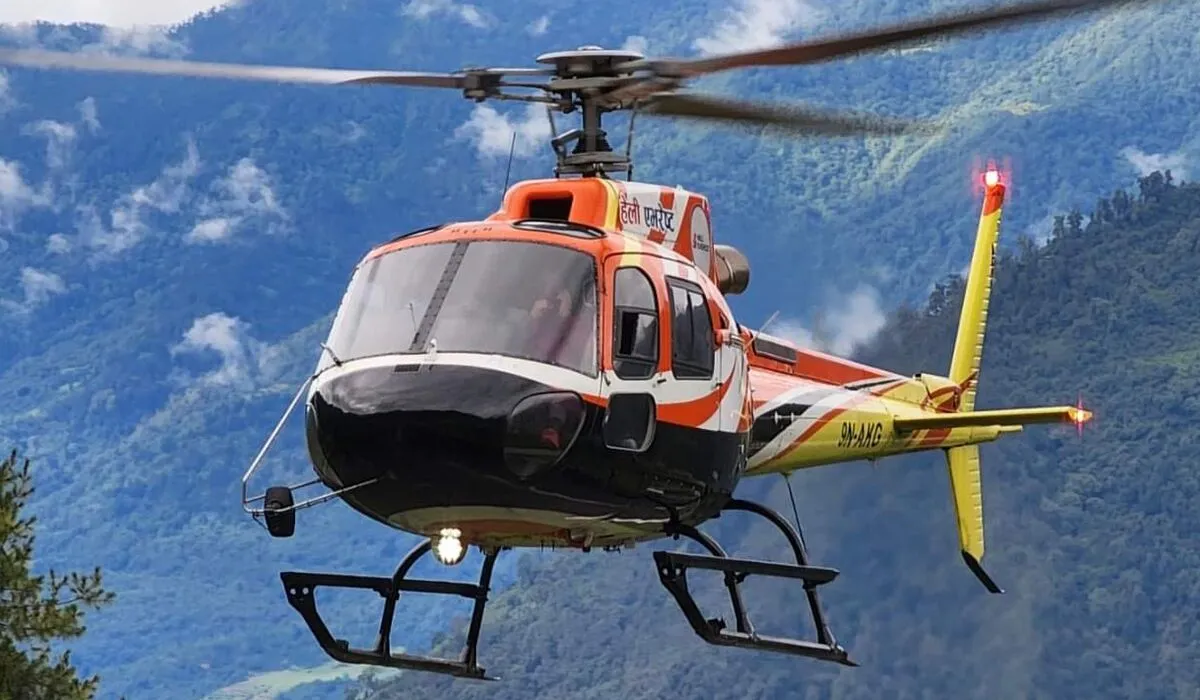
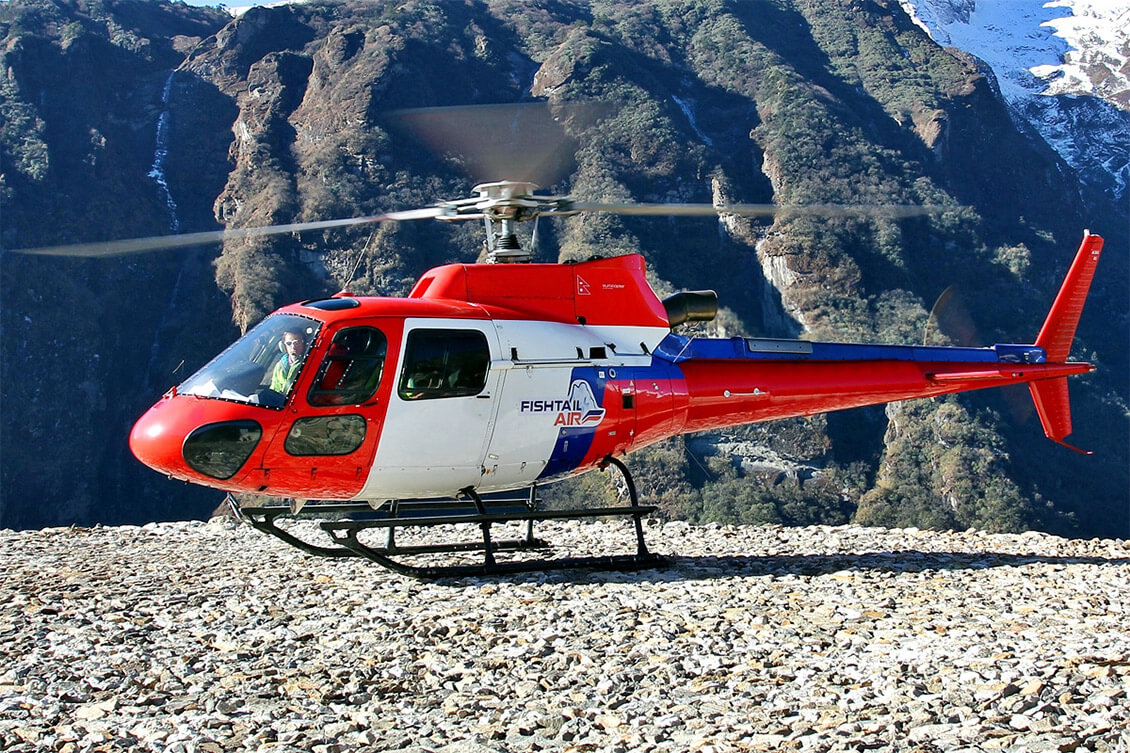
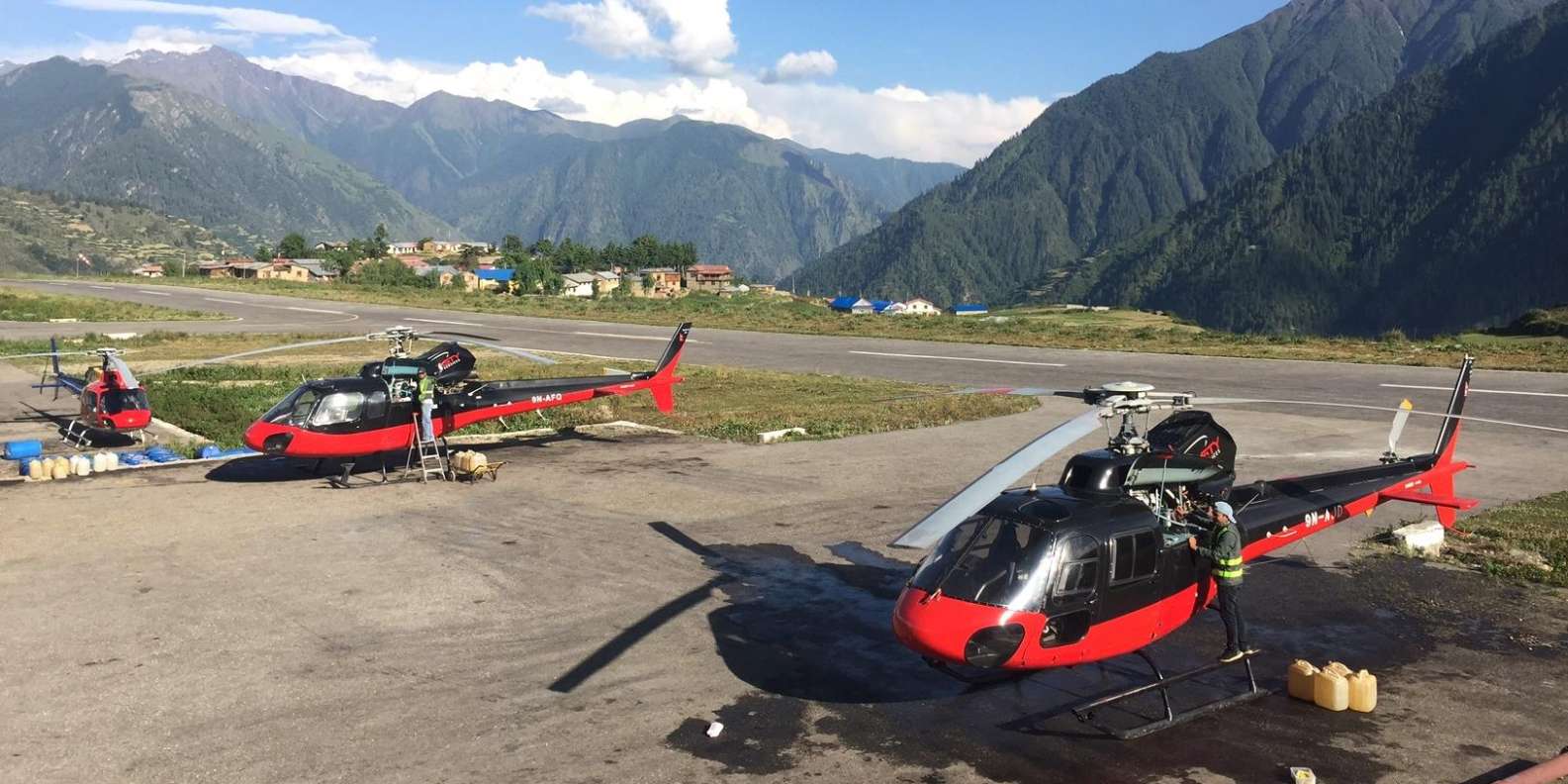
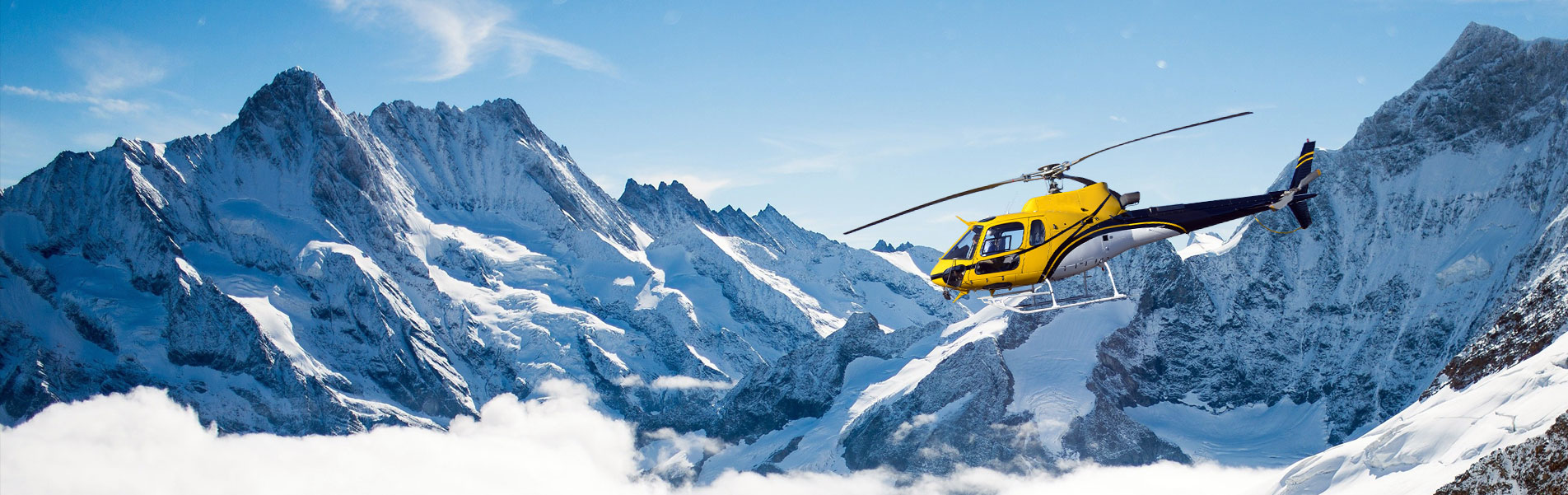
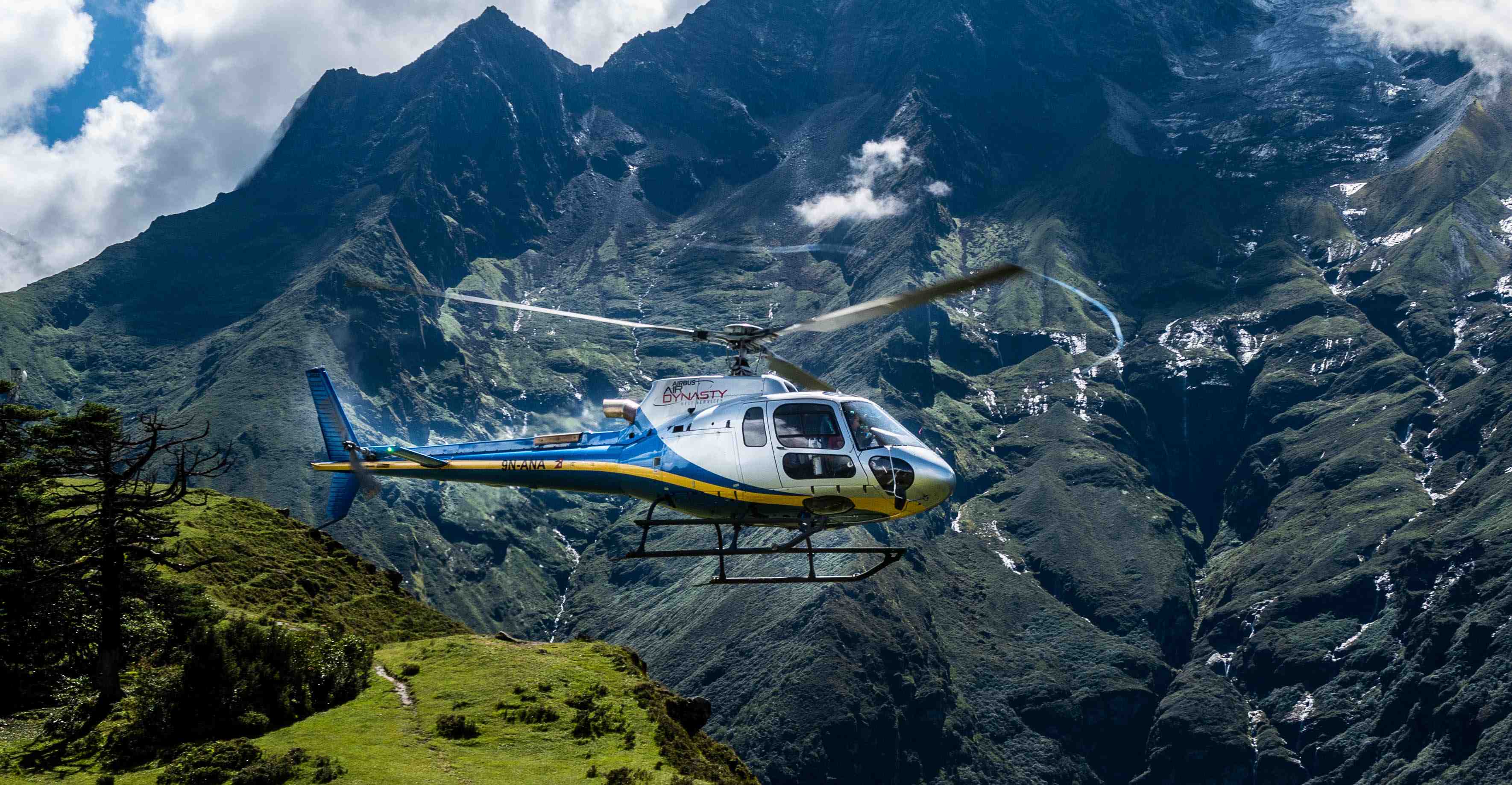
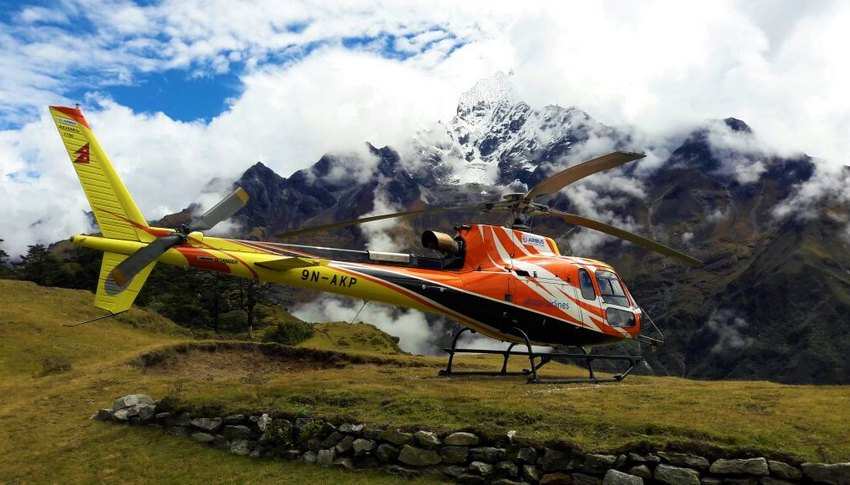
Nepal’s helicopter rescue system supports emergency evacuation from trekking trails, villages, pilgrimage sites, and disaster-hit areas. High-altitude helicopters such as the AS350 B3e / H125 are used, operated by highly experienced Himalayan pilots.
Helicopter rescues are commonly used for
- Medical evacuation and air ambulance services
- Trekking and mountaineering accidents
- Natural disaster response (floods, landslides, earthquakes)
- Remote village emergency transport
Timely helicopter rescue saves lives in Nepal’s rugged terrain, making it a critical part of the country’s emergency response infrastructure.
For emergency rescue coordination, accurate location sharing and early communication are essential.
Recent From Blogs
24 Dec 2022
29 Mar 2023
29 Mar 2023
03 Apr 2023
03 Apr 2023
04 Apr 2023
05 Apr 2023
26 Jun 2023
03 Jul 2023