

By Nepal Chopper 27 Dec 2025
Helicopter Services In Nepal And Bhutan Complete Guide Update
Helicopter services in Nepal and Bhutan are widely used for tourism, mountain rescue, medical evacuation, VIP and charter travel, pilgrimage flights, luxury helicopter tours, and aerial sightseeing. These operations are highly regulated and carried out by certified pilots trained for high-altitude and mountain flying. A typical tourism helicopter in Nepal weighs between 1,500 kg and 3,000 kg fully loaded, and most models can fly at speeds of 200–260 km/h with a range of 450–650 km per fuel load. True 2-seater helicopters are rare in commercial operations, as most helicopters are 4–5 seaters to meet safety and power requirements, especially in the Himalayas. Passengers on commercial flights are insured, and optional travel insurance is recommended for additional coverage. In case of cancellations due to weather or safety concerns, operators usually provide rescheduling or partial refunds. Helicopters in Nepal routinely fly between 10,000 and 18,000 feet, with high-altitude models capable of exceeding 20,000 feet for rescue missions. Children above 2 years and elderly passengers, including those over 80, can safely fly if medically fit. Passengers are advised to bring photo ID, warm clothing, sunglasses, cameras, and personal medications. Helicopters cannot fly upside down, and flights over royal residences or restricted areas require special permission. Continuous flight time typically ranges from 2.5 to 3.5 hours before refueling, and seat allocation depends on weight balance and pilot discretion. Photography is allowed during flights, making it ideal for sightseeing over Everest, Annapurna, Manaslu, and other Himalayan peaks. High operational costs, fuel consumption, pilot expertise, and maintenance contribute to helicopter flight pricing. Notifying operators of passenger weight is essential for balance and safety, especially in high-altitude conditions. Helicopters provide stable, safe, and efficient travel options, allowing visitors to experience Nepal and Bhutan’s breathtaking landscapes, remote regions, and sacred sites in comfort, while also serving essential functions like rescue and medical evacuation. Modern helicopters were invented by Igor Sikorsky, with the first practical flight in 1939, and rotor blades spin at approximately 300–500 RPM, allowing precise control even in mountainous terrain. With experienced pilots and strict safety protocols, helicopter travel has become a vital, versatile, and popular mode of transport for both adventure tourists and local operations in the Himalayas.
Comprehensive Helicopter Services in Nepal & Bhutan: Tourism, Rescue, VIP Travel, and Aerial Sightseeing
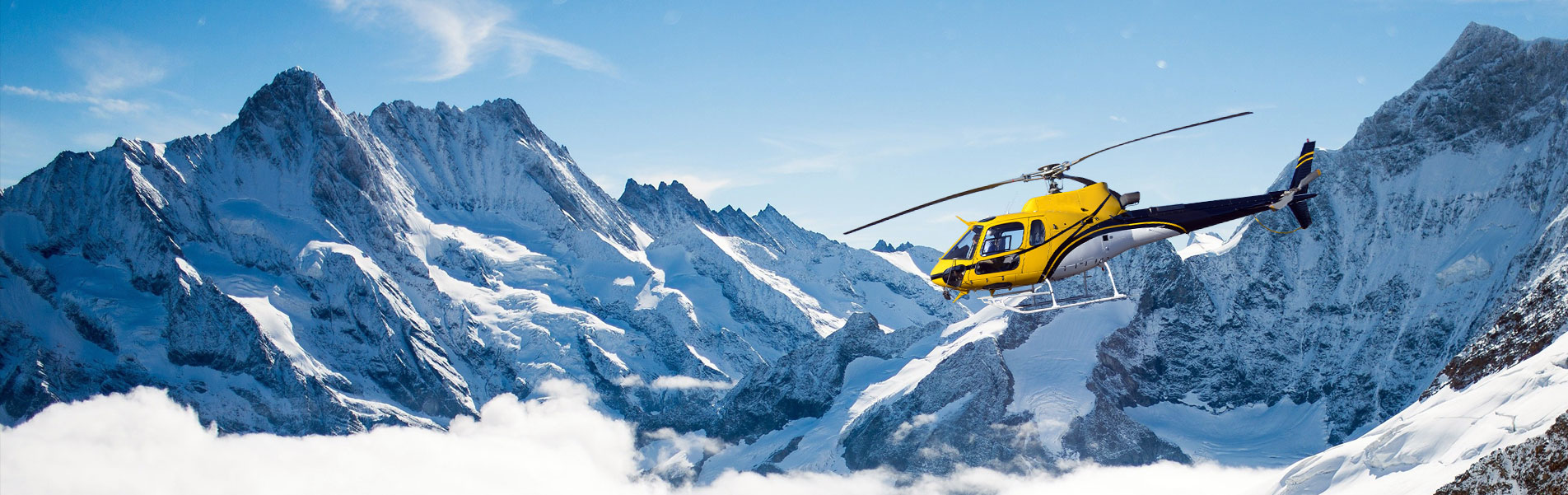
Helicopter services in Nepal and Bhutan have grown in popularity due to the region's challenging terrain, high mountains, and remote destinations. From Everest Base Camp to Manaslu, Annapurna, and Bhutan’s sacred sites, helicopters offer a safe, efficient, and scenic way to access areas that are otherwise difficult or time-consuming to reach. These services cater to tourism, mountain rescue, medical evacuation, VIP travel, pilgrimage flights, and luxury sightseeing, making helicopter travel one of the most versatile modes of transport in the Himalayas.
How Much Does a 2-Seater Helicopter Cost in Nepal & Bhutan?
A true 2-seater helicopter is rare in commercial operations in Nepal and Bhutan. Most tourism and charter helicopters are 4–5 seaters due to safety, power, and altitude requirements. For reference, the price for a 2-seater helicopter for a short sightseeing or charter flight starts around USD 1,500–2,500 per hour, depending on distance, altitude, and operator. Most operators prefer multi-seater helicopters as they allow more passengers and luggage while maintaining high-altitude safety margins.
How Fast and Far Can a Helicopter Fly?
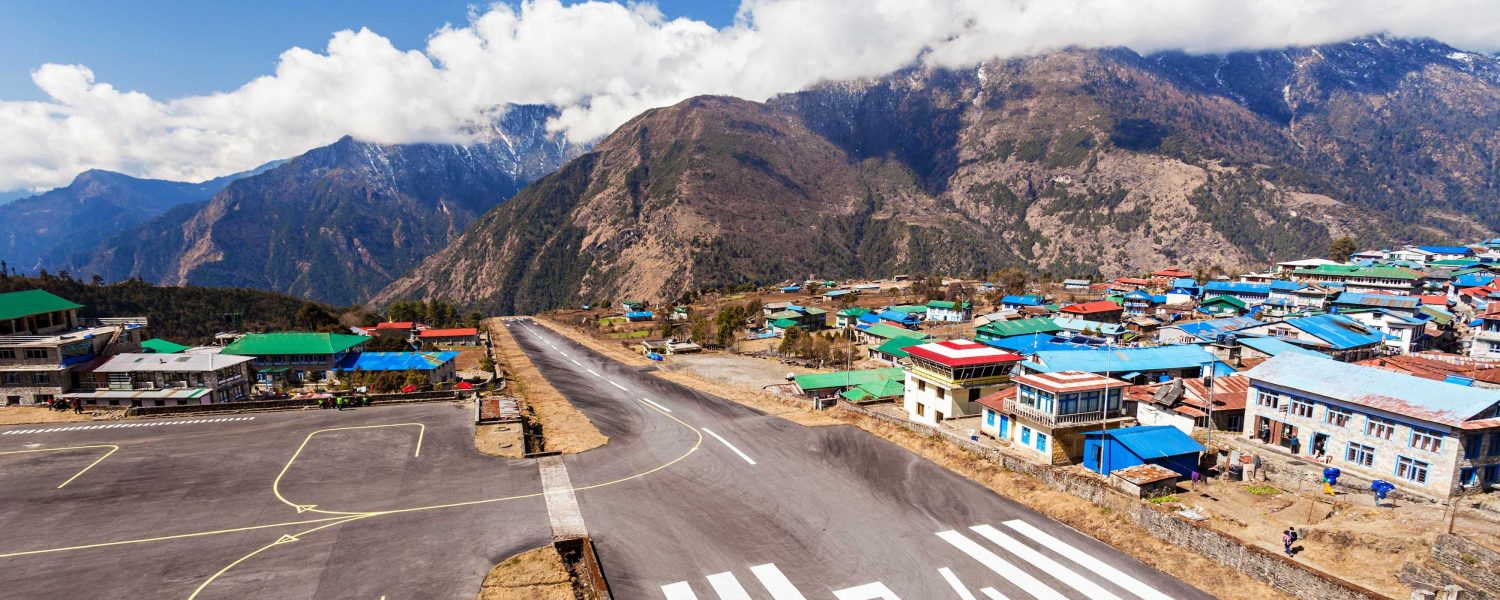
Helicopters in Nepal typically fly at 200–260 km/h, depending on the model and weather conditions. For sightseeing or charter services over the Everest, Annapurna, or Manaslu regions, flight speed may vary slightly due to high-altitude winds. Most helicopters can cover 450–650 km on a single fuel load, with refueling options available at major airports in Kathmandu, Pokhara, Lukla, and Paro. High-altitude rescue helicopters are specially designed to operate efficiently above 20,000 feet in the Himalayas.
How to Fly a Helicopter and Become a Pilot
Flying a helicopter requires specialized licensed training, strict adherence to aviation regulations, and a valid medical clearance. In Nepal and Bhutan, only certified pilots are permitted to operate helicopters commercially. Training includes both theory (navigation, aerodynamics, aviation laws) and practical flight hours, typically 40–50 hours for a private license, and 150–200 hours for a commercial license. Aspiring pilots must also undergo mountain flying training due to the extreme altitude conditions in the Himalayas.
Helicopter Weight, Safety, and Passenger Guidelines
A typical tourism helicopter in Nepal weighs between 1,500–3,000 kg fully loaded, including passengers, luggage, and fuel. Weight management is critical for high-altitude flights. Passengers are insured by default, but optional travel insurance is recommended for higher coverage. Continuous flight time is usually 2.5–3.5 hours before refueling. Helicopters cannot fly upside down safely, and seat selection depends on weight balance and pilot discretion. Passengers are required to notify the operator of their weight to ensure flight safety.
Helicopter Pick-Up, Sightseeing, and VIP Services
In Nepal, VIP helicopter charters allow pickup from private gardens or designated helipads, provided the landing site meets aviation safety standards and has local authority permission. However, flights over royal residences, government buildings, or restricted areas require special authorization. Helicopters are widely used for pilgrimage flights to sites like Muktinath, Lumbini, and Tengboche Monastery, offering pilgrims quick, safe access while avoiding long road or trekking routes.
Helicopter Rescue and Medical Evacuation
Mountain rescue and medical evacuation are among the most critical helicopter services in Nepal and Bhutan. Helicopters can rapidly transport injured climbers or trekkers from remote locations like Everest Base Camp, Annapurna Base Camp, or Manaslu Circuit to advanced medical facilities in Kathmandu, Pokhara, or Dharan. These flights often operate above 20,000 feet in extreme weather and terrain. Rescue operations are fully insured, and fees are determined per flight, with special high-altitude helicopters equipped for emergency medical support.
What Should You Bring on a Helicopter Tour in Nepal?
Passengers are advised to carry:
-
Photo ID or passport
-
Warm clothing (temperatures drop significantly at high altitudes)
-
Sunglasses and sunscreen
-
Camera or smartphone for photography
-
Personal medications
-
Light backpacks (luggage is limited due to weight restrictions)
These essentials ensure comfort, safety, and an enjoyable experience during scenic flights over the Himalayas, Annapurna, and Everest regions.
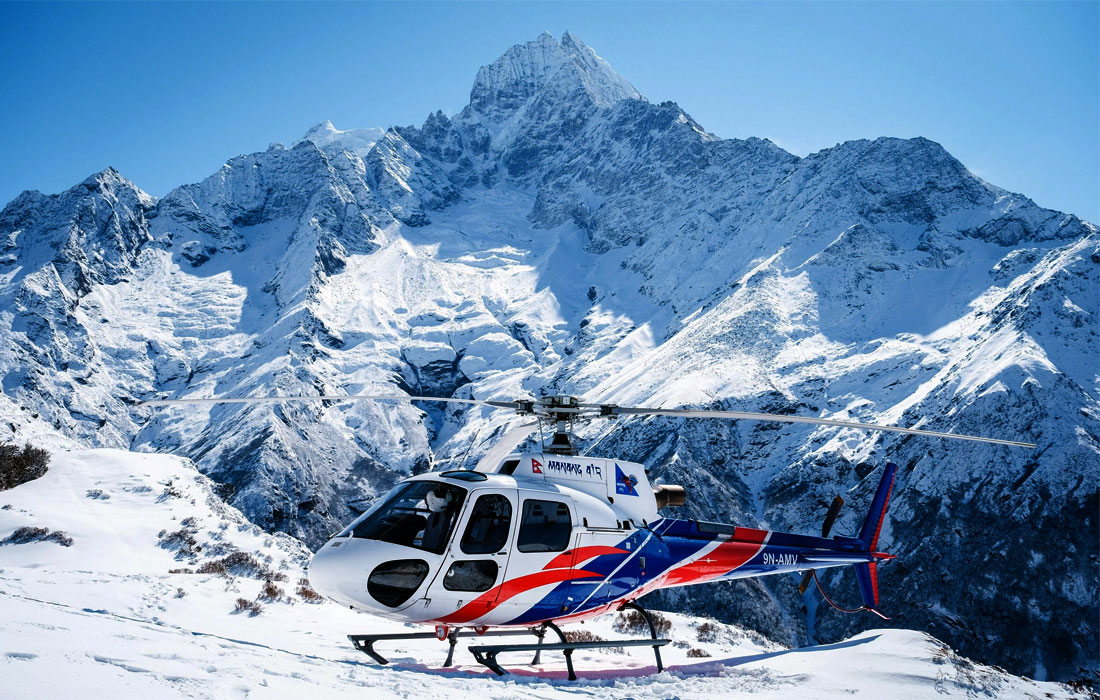 Popular Sightseeing and Scenic Helicopter Tours
Nepal and Bhutan offer a wide range of luxury sightseeing helicopter tours, including:
- Everest Base Camp Helicopter Tours with Kala Patthar landing
- Annapurna Base Camp and Machapuchare Flights
- Manaslu Circuit Aerial Tours
- Bhutan Himalayan Sightseeing, including Paro Valley and Tiger’s Nest Monastery
These tours allow travelers to witness the Himalayas, glaciers, valleys, and sacred sites in a fraction of the time compared to trekking or road travel, making helicopter tourism increasingly popular.
Frequently Asked Questions (FAQs) About Helicopter Flights in Nepal & Bhutan
1. Are helicopters safe in Nepal and Bhutan?
Yes, helicopters are extremely safe when operated by licensed commercial companies in Nepal and Bhutan. All operators strictly follow aviation safety regulations, including routine maintenance, pilot certifications, and pre-flight safety checks. Helicopter pilots flying in the Himalayas are highly experienced in mountain flying, high-altitude operations, and rapidly changing weather conditions. Emergency protocols are in place, making helicopter travel a reliable choice for sightseeing, VIP transport, or rescue operations in Nepal’s and Bhutan’s mountainous terrain.
2. Can children and elderly passengers fly?
Absolutely. Helicopter flights are suitable for children above 2 years and elderly passengers, including those over 80, provided they are medically fit. Many families, spiritual pilgrims, and senior travelers use helicopters for comfort and convenience, avoiding long treks or challenging road travel in the Himalayas. Helicopter cabins are pressurized and provide a stable environment, minimizing altitude discomfort for sensitive passengers.
3. Can helicopters fly upside down?
No, helicopters cannot fly upside down. The rotor systems, fuel delivery, and flight mechanics make inverted flight unsafe. Helicopters are designed for stable vertical lift and forward motion, which is perfect for high-altitude mountainous terrain in Nepal and Bhutan but not suitable for aerobatic maneuvers. Safety is always the priority, especially in regions like the Everest, Annapurna, and Manaslu areas where altitude and weather factors are critical.
4. Can I take photos during the flight?
Yes, passengers are encouraged to take photographs and videos during sightseeing and charter flights. Helicopters provide unique aerial views of the Himalayan mountains, glaciers, and cultural landmarks like Lumbini, Muktinath, Paro Valley, and Everest Base Camp. Always make sure your camera or phone is securely fastened, and avoid leaning out of open doors unless the flight is specifically equipped for external photography.
5. Why is helicopter flying so expensive?
Helicopter flights are costlier than airplanes due to several factors:
-
Fuel costs: Helicopters consume more fuel per hour, especially at high altitudes.
-
Maintenance: Regular inspections, spare parts, and specialized repairs for mountain flying.
-
Pilot expertise: Pilots require extensive high-altitude training and certification.
-
Insurance: Comprehensive coverage for passengers, crew, and high-risk operations.
-
Operational risk: Flying in the Himalayas involves navigating extreme weather, high peaks, and remote terrain, which adds to safety precautions and costs.
6. How long has the helicopter existed?
The modern helicopter was invented by Igor Sikorsky, with the first practical flight occurring in 1939. Helicopter technology has since advanced to include high-altitude mountain helicopters, multi-seater tourism helicopters, and specialized rescue aircraft, all of which are widely used in Nepal and Bhutan for adventure tourism, rescue missions, VIP transport, and aerial sightseeing over the Himalayas
Conclusion
Helicopter travel in Nepal and Bhutan is a unique, safe, and efficient way to explore the Himalayan mountains, access remote regions, and enjoy breathtaking aerial views. Whether for tourism, rescue, VIP travel, pilgrimage, or luxury sightseeing, helicopters provide unmatched flexibility and convenience. With certified pilots, strict safety protocols, and insured operations, travelers can experience the Everest, Annapurna, Manaslu, and Bhutanese Himalayas like never before.
Recent From Blogs
24 Dec 2022
29 Mar 2023
29 Mar 2023
03 Apr 2023
03 Apr 2023
04 Apr 2023
05 Apr 2023
26 Jun 2023
03 Jul 2023