

By Nepal Chopper 11 Nov 2025
How Much Does It Cost To Own A Private Helicopter
Owning a private helicopter in Nepal is a dream for many entrepreneurs, business owners, and adventure enthusiasts. The thought of flying freely over the Himalayas, reaching remote destinations, or running luxury air tours is undeniably exciting. But behind the thrill lies a significant financial and technical commitment. In this detailed guide, we explain the cost of owning a helicopter in Nepal, how difficult it is to maintain, and what it’s really like to deal with helicopter technicians and maintenance operations. Owning a private helicopter in Nepal is a dream cherished by many entrepreneurs, business owners, and adventure enthusiasts. The idea of soaring above the majestic Himalayas, gliding over remote valleys, and landing in areas unreachable by road offers an unparalleled sense of freedom and exclusivity. For tourism operators and adventure companies, a private helicopter is not just a luxury — it can be a powerful business tool, enabling VIP transport, scenic aerial tours, mountain expeditions, and even emergency rescue operations. However, the excitement of ownership comes with a significant financial burden and complex operational responsibilities. The cost of acquiring a helicopter is just the beginning; ongoing expenses such as fuel, maintenance, insurance, pilot salaries, and hangar fees can quickly accumulate, making ownership a major investment. In addition to the financial considerations, helicopters are highly technical machines that demand careful upkeep. Maintenance must be performed by certified technicians following strict schedules, and every inspection or repair requires detailed documentation to ensure safety and compliance with aviation authorities. Dealing with technicians, sourcing spare parts, and coordinating service schedules can often be challenging, especially in Nepal where specialized resources are limited. Therefore, while owning a helicopter provides unmatched freedom and business potential, it also requires careful planning, financial readiness, and a hands-on approach to management and maintenance.
Ultimate Guide to Private Helicopter Ownership in Nepal: Costs, Maintenance, and Services
Owning or operating a helicopter in Nepal is a dream for many entrepreneurs, adventure companies, and tourism operators. From flying over the majestic Himalayas to reaching remote mountain villages, helicopters provide unmatched convenience and flexibility. However, the costs, maintenance requirements, and operational responsibilities are significant. This guide covers everything you need to know, including helicopter cost, maintenance, purchase, chartering, and leasing options in Nepal.
1. Helicopter Cost in Nepal
The cost of owning a helicopter in Nepal depends on the model, size, and intended use.
-
Light helicopters (2–4 seats): USD 250,000–800,000
-
Mid-size helicopters (4–6 seats): USD 1 million–3 million
-
Luxury or twin-engine helicopters: USD 4 million–8 million+
Additional costs include import duties, VAT, aviation authority certification, and registration, which can add 15–25% to the purchase price. For business use, such as VIP transport, mountain tourism, or rescue operations, licensing and operational approval from the Civil Aviation Authority of Nepal (CAAN) are mandatory.
2. Private Helicopter in Nepal
Private helicopters in Nepal are often used for:
-
Business travel: Quick access between Kathmandu, Pokhara, and other major cities.
-
Tourism and sightseeing: Helicopter tours over Everest, Annapurna, and Langtang regions.
-
Expeditions and trekking support: Delivering supplies or evacuating clients from remote sites.
-
Emergency services: Medical evacuations, search and rescue, and disaster response.
Owning a private helicopter allows flexibility, prestige, and convenience, but it comes with a large financial and operational responsibility.
3. How Much Does a Helicopter Cost in Nepal?
The purchase price is just the starting point. Other costs include:
-
Fuel: Helicopters burn 120–150 liters per hour, which can cost USD 400–600 per hour in Nepal.
-
Maintenance & inspections: Annual cost ranges from USD 50,000–400,000 depending on usage and model.
-
Insurance: 4–10% of the helicopter’s value per year.
-
Pilot salary: USD 40,000–80,000 per year.
-
Hangar & storage: USD 15,000–40,000 per year.
The total annual operating cost can range from USD 150,000 to 600,000 or more, depending on helicopter size and usage.
4. Helicopter Maintenance in Nepal
Maintenance is a critical aspect of helicopter ownership. Helicopters are complex machines with high safety requirements:
-
Regular inspections: Hour-based (e.g., every 100 flight hours) and calendar-based (time since last inspection).
-
Major overhauls: Engines, transmissions, and rotors may require replacement every few years.
-
Technician requirements: Only certified engineers can perform inspections and repairs.
-
Documentation: Every maintenance action must be logged for safety compliance with CAAN.
Operating in high-altitude areas, such as the Himalayas, accelerates wear and tear, increasing maintenance frequency and costs.
5. Helicopter Price and Maintenance Cost
A light helicopter may cost USD 250,000–800,000, with annual operating expenses between USD 150,000–600,000. These costs cover:
-
Fuel
-
Pilot and crew salaries
-
Hangar fees
-
Insurance
-
Scheduled and unscheduled maintenance
Major overhauls can cost USD 200,000–400,000, while even small repairs can run several thousand dollars. Budgeting for these costs is essential before purchasing a helicopter in Nepal.
6. Nepal Helicopter Ownership Guide
If you plan to own a helicopter in Nepal, consider the following:
-
Define usage requirements – Frequent flying justifies ownership; occasional use favors chartering.
-
Choose the right model – Popular models like Airbus H125, Bell 429, and Robinson R66 have better parts availability and technician support.
-
Plan maintenance – Engage CAAN-certified engineers and schedule inspections proactively.
-
Consider operational costs – Fuel, hangar, insurance, pilot salary, and spare parts must all be budgeted.
-
Regulatory compliance – Obtain necessary licenses, registrations, and approvals from CAAN.
-
Evaluate leasing or co-ownership – Sharing costs with other operators can reduce financial burden.
7. Buy Helicopter in Nepal
Purchasing a helicopter involves:
-
Choosing a helicopter type based on seating, range, and terrain capability.
-
Arranging import and registration, including taxes and certifications.
-
Selecting a hangar or helipad for storage.
-
Hiring pilots and maintenance staff.
-
Understanding annual operating and maintenance costs.
Buying a helicopter is a long-term investment, and you must plan for both recurring expenses and unexpected repairs.
8. Helicopter Service Nepal
Helicopter services in Nepal include:
-
Scheduled maintenance: Inspections, lubrication, part replacement.
-
Repairs: Engine, rotor, or transmission fixes.
-
Pilot training and support: Licensing and ongoing proficiency checks.
-
Charter operations support: Tours, VIP flights, rescue missions.
Only CAAN-certified facilities should perform maintenance to ensure airworthiness and safety compliance.
9. Nepal Helicopter Charter and Leasing
For those who don’t want full ownership, helicopter charter and leasing is a cost-effective alternative.
-
Charter flights: Pay per hour; ideal for sightseeing tours, mountain expeditions, or VIP transfers.
-
Leasing: Long-term leasing allows business use without high capital investment.
-
Advantages: No maintenance worries, flexible costs, access to modern aircraft, and certified pilots included.
-
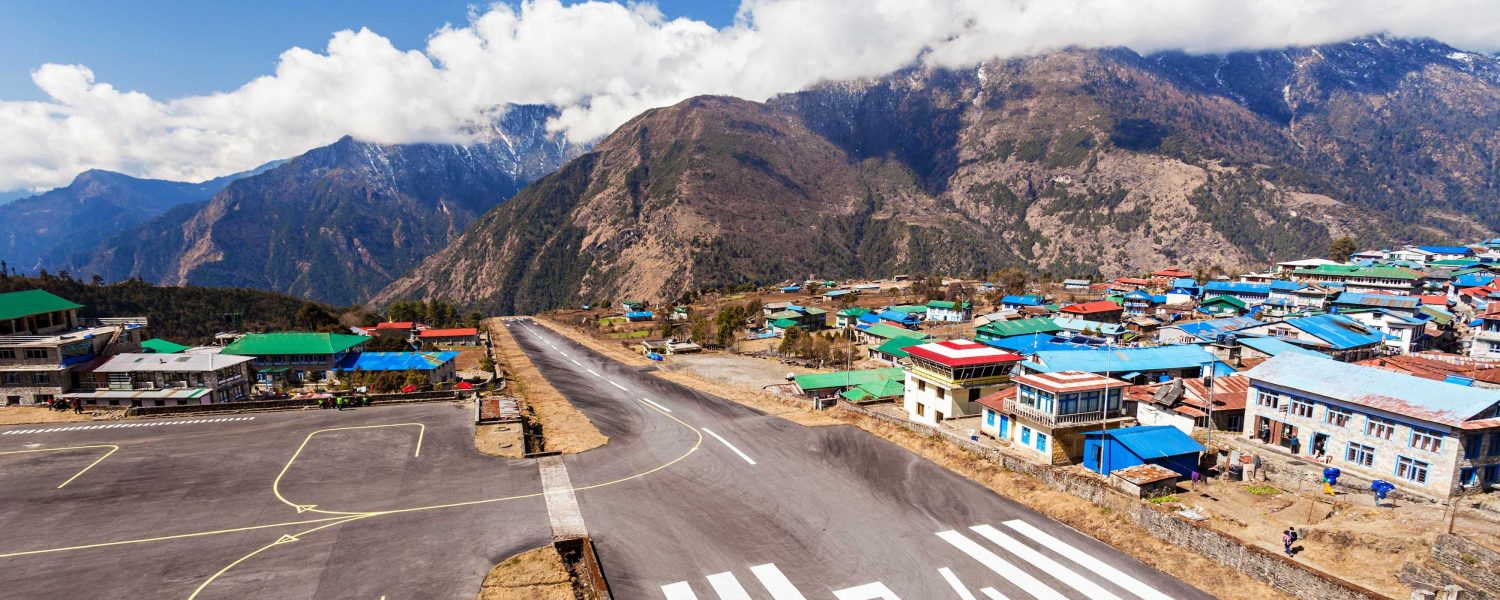
Popular routes in Nepal: Kathmandu–Lukla, Everest Base Camp heli-tours, Pokhara–Annapurna Base Camp, and Gosaikunda/Helambu expeditions.
Chartering or leasing is especially practical in Nepal due to limited maintenance infrastructure and high import costs for spare parts.
Helicopter Purchase Price in Nepal
The first step in helicopter ownership is the purchase — and this comes with a high price tag.
-
Entry-level helicopters (2–4 seat) cost from USD 250,000 to 800,000.
-
Mid-range helicopters used for private and business travel range from USD 1 million to 3 million.
-
Luxury or twin-engine helicopters like Airbus H125 or Bell 429 can cost USD 4–8 million or more.
In Nepal, you’ll also face import duties, VAT, aviation certification, and registration costs, which can add 15–25% to the total price.
If you plan to use your helicopter commercially (for tourism, charter, or mountain rescue), additional approval and licensing fees apply through the Civil Aviation Authority of Nepal (CAAN).
Annual Operating and Maintenance Costs
Buying the helicopter is just the beginning. The true cost of ownership lies in the yearly maintenance, fuel, insurance, and personnel expenses.
a) Fuel and Flight Costs
Helicopters in Nepal run on Jet A1 fuel, which is available at major airports like Kathmandu, Pokhara, and Lukla.
-
Average fuel burn: 120–150 liters per hour.
-
Average fuel price: around USD 3.5–4 per liter.
-
Fuel cost per hour: USD 400–600.
If you fly around 200 hours a year, fuel alone will cost USD 80,000–120,000 annually.
b) Maintenance and Inspections
Helicopter maintenance is frequent, technical, and mandatory. It includes both hour-based and calendar-based inspections.
-
100-hour inspection: USD 5,000–10,000
-
Major overhaul (engine/rotor/transmission): USD 200,000–400,000 every few years
-
Regular servicing and spares: USD 15,000–50,000 per year
Even if you don’t fly regularly, some maintenance tasks must be done by time intervals — meaning the costs continue even when your helicopter is idle.
c) Crew, Hangar, and Insurance
Owning a helicopter also requires qualified personnel and proper storage facilities:
-
Pilot salary in Nepal: USD 40,000–80,000 per year
-
Hangar or parking fees (Kathmandu/Pokhara): USD 15,000–40,000 per year
-
Insurance (aircraft & liability): 4–10% of helicopter value annually
d) Annual Summary
On average, owning a private helicopter in Nepal costs USD 150,000–600,000 per year, depending on aircraft size, flight hours, and operating region.
Are Helicopters Easy to Maintain?
Helicopters are not easy to maintain — in fact, they are among the most complex types of private aircraft.
Each system (rotors, transmission, avionics, hydraulics, etc.) must operate perfectly together. Regular maintenance is vital not just for performance but also for safety and compliance with CAAN regulations.
Maintenance Challenges in Nepal
-
High-altitude wear: Flying in Himalayan regions like Everest or Annapurna causes extra stress on engines and rotors.
-
Limited technician availability: Only a few licensed engineers in Nepal are trained for specific helicopter models.
-
Import of spare parts: Many components must be ordered from abroad, increasing downtime and cost.
-
Strict regulations: All maintenance activities must be logged and audited by CAAN.
Dealing With Helicopter Technicians
Working with helicopter technicians is a critical part of ownership. However, it can be challenging in Nepal due to limited manpower and resources.
-
Scheduling: Certified engineers are often booked in advance.
-
Documentation: Every inspection and part change must be recorded precisely.
-
Downtime: Helicopters can be grounded for days or weeks awaiting spare parts.
-
Communication: Maintaining a strong relationship with your maintenance provider ensures faster turnaround and better reliability.
In Nepal, the major helicopter maintenance facilities are based in Kathmandu, servicing models such as Airbus, Bell, and Robinson.
Cost vs. Benefit — Is It Worth Owning a Helicopter in Nepal?
Owning a helicopter brings luxury, freedom, and business potential — but it also carries heavy costs and responsibilities.
Benefits
-
Instant travel flexibility and comfort.
-
Access to remote Himalayan destinations.
-
Business utility for tourism, VIP transfers, rescue, and expeditions.
-
Branding and prestige value.
Drawbacks
-
High fixed costs, even if you rarely fly.
-
Complex maintenance schedules and regulations.
-
Downtime and delays due to part shortages.
-
Rapid depreciation and expensive overhauls.
If you operate a tourism or expedition company, helicopter ownership may make sense for long-term business growth. But for personal or occasional use, chartering a helicopter in Nepal is far more cost-effective.
Typical Helicopter Ownership Cost Breakdown
| Category | Estimated Cost (USD) |
|---|---|
| Purchase Price | 250,000 – 8,000,000 |
| Annual Fuel | 80,000 – 120,000 |
| Maintenance & Overhaul | 50,000 – 400,000 |
| Insurance | 15,000 – 60,000 |
| Hangar & Parking | 15,000 – 40,000 |
| Pilot & Crew Salaries | 40,000 – 80,000 |
| Total Annual Cost | 150,000 – 600,000+ |
Tips for Smart Helicopter Ownership in Nepal
-
Estimate yearly flight hours – If less than 150 hours, leasing is cheaper.
-
Select a popular model – Like Airbus H125 or Robinson R66, which have better parts support.
-
Maintain a technical reserve fund – Set aside at least 10–15% of purchase cost for future overhauls.
-
Hire certified maintenance partners – Always use CAAN-approved engineers.
-
Keep detailed logs – Maintenance records are vital for resale and audits.
-
Plan hangar facilities early – Limited space is available in Kathmandu and Pokhara.
-
Consider co-ownership or leasing – Partner with a tourism or rescue operator to share costs.
Helicopter Ownership and Tourism Opportunities
For companies involved in Nepal helicopter tours, mountain expeditions, or luxury travel services, owning a helicopter can open major business opportunities:
-
Everest Base Camp heli-tours
-
Annapurna Base Camp charter flights
-
Gosaikunda, Langtang, and Muktinath pilgrim tours
-
Mountain rescue and evacuation
-
VIP charter services
However, all of these require strict safety management, licensed pilots, and coordination with the Civil Aviation Authority of Nepal.
Owning a private helicopter in Nepal is an incredible privilege — but also a demanding responsibility. From the purchase price to yearly maintenance, hangar space, fuel, and technicians, the cost of ownership is substantial.
For most individuals, chartering a helicopter in Nepal is more affordable and flexible. But for aviation enthusiasts or tourism entrepreneurs who plan to operate frequently, helicopter ownership can be both a lifestyle upgrade and a profitable business investment.
A helicopter gives you freedom above the clouds — but keeping it there safely requires dedication, professionalism, and strong financial planning.
The Real Cost of Owning a Private Helicopter
Owning a private helicopter is a dream for many — freedom to fly, luxury, convenience, and prestige. Whether you’re a business owner, a travel entrepreneur, or someone passionate about aviation, the idea of taking off whenever you want is incredibly appealing. But beyond the dream lies a serious financial and logistical commitment. Here’s a complete guide to what it truly costs to own, maintain, and manage a private helicopter — and what to expect when dealing with maintenance and technicians.
1. The Purchase Price
The biggest initial investment is, of course, buying the helicopter itself.
-
Entry-level helicopters, such as 2- or 4-seater models, start around USD 250,000 for used or basic machines.
-
Mid-range helicopters, suitable for business travel or light tourism operations, range between USD 1 million and 3 million.
-
High-end VIP or twin-engine helicopters can cost anywhere from USD 4 million to 8 million or more depending on customization, capacity, and technology.
In countries like Nepal or India, you must also factor in import duties, aviation authority certification, taxes, and registration costs, which can easily add another 15–25% to the base price.
2. Annual Operating & Maintenance Costs
Once purchased, the real expenses begin. Helicopters require constant attention, even when they are not flying.
a) Fuel and Flight Operations
Helicopters consume a lot of fuel. On average, a light helicopter burns 120–150 liters of Jet A1 fuel per hour. Depending on regional prices, this means USD 400–700 per flight hour in fuel costs alone.
If you fly around 200 hours a year, expect fuel expenses of USD 80,000–140,000 annually.
b) Regular Maintenance and Inspections
Helicopters are mechanically complex and require regular servicing. Maintenance is scheduled by both flight hours and calendar dates.
-
A 100-hour inspection may cost USD 5,000–10,000.
-
Major overhauls (for engines, transmissions, or rotor systems) can cost USD 200,000–400,000 every few years.
-
Even if the helicopter is not flown frequently, “calendar” maintenance still applies — meaning you pay for inspections whether you fly or not.
c) Crew, Hangar, and Insurance
You will also need to consider operational support:
-
Pilot salary: USD 40,000–80,000 per year depending on experience.
-
Hangar or parking fees: USD 15,000–50,000 per year depending on location.
-
Insurance (hull and liability): typically 4–10% of the helicopter’s value annually.
d) Annual Cost Summary
All together, the average annual operating cost for a privately owned helicopter can range from USD 100,000 to 600,000 depending on the model, usage, and location.
For luxury helicopters used in business operations, costs can exceed USD 1 million per year.
3. Are Helicopters Easy to Maintain?
In short: no, helicopters are not easy to maintain.
They are among the most complex forms of private transportation. A helicopter’s mechanical system — especially its rotors, transmission, and gearboxes — requires extreme precision and must be serviced by certified technicians.
Key Maintenance Challenges
-
Complex systems: Helicopter mechanics are more intricate than airplanes, and even small malfunctions can ground the aircraft.
-
Expensive parts: Rotor blades, transmissions, and engines are costly, often imported, and have long lead times.
-
Frequent inspections: Most components are monitored on a strict schedule. Missing even a small inspection can make the aircraft legally unairworthy.
-
High downtime: Routine maintenance can keep the helicopter grounded for days or weeks.
Even small private owners must comply with aviation authority requirements, including maintenance logs, flight records, and safety certifications.
4. Dealing With Helicopter Technicians
Many owners find dealing with helicopter technicians a necessary challenge.
-
You need certified engineers for every maintenance task. Unqualified work can void insurance and airworthiness certificates.
-
Scheduling can be a hassle, especially if there are only a few licensed technicians in your area.
-
Communication and documentation are critical — technicians must record every inspection, repair, and part replacement.
-
Unexpected mechanical issues can be frustrating and costly. A single component replacement might run into tens of thousands of dollars.
In regions like Nepal, limited availability of spare parts and certified engineers often means longer downtimes and higher service costs. For owners operating in remote or high-altitude areas, logistical coordination with technicians can be one of the toughest parts of helicopter ownership.
5. Is Owning a Helicopter Worth It?
Owning a private helicopter certainly has its advantages — but also major downsides.
Advantages
-
Freedom and flexibility: You can travel anytime without depending on commercial schedules.
-
Prestige and comfort: A symbol of status and convenience for VIP travel.
-
Business benefits: For tour operators, expeditions, or luxury travel businesses, a helicopter can serve as a marketing asset and income generator.
Disadvantages
-
Extremely high costs: Even if you don’t fly often, fixed costs remain.
-
Constant maintenance: Helicopters demand regular inspections and service, even when idle.
-
Depreciation: The value of the aircraft drops sharply after each overhaul cycle.
-
Regulatory complexity: Paperwork, flight logs, and certification renewals can be time-consuming.
For most individuals or small companies, chartering a helicopter when needed is far more economical than owning one outright.
6. Helicopter Ownership in Nepal and the Himalayas
Owning a helicopter in Nepal adds unique challenges due to terrain, weather, and limited infrastructure.
-
High-altitude flying requires powerful engines and specialized maintenance.
-
Hangar space in Kathmandu or Pokhara is limited and expensive.
-
Import taxes and certification significantly raise the overall purchase cost.
-
Technician availability is limited, and major overhauls may require sending the helicopter abroad.
-
Fuel supply and logistics in mountainous regions make operations costly and complex.
Unless you plan to operate your helicopter commercially — for example, in mountain rescue, charter, or tourism — personal ownership may not be financially practical in Nepal.
7. Typical Cost Breakdown Summary
| Category | Estimated Cost (USD) |
|---|---|
| Purchase Price | 250,000 – 8,000,000 |
| Fuel (annual) | 80,000 – 140,000 |
| Maintenance & Overhauls | 50,000 – 400,000 |
| Insurance | 15,000 – 60,000 |
| Hangar & Parking | 15,000 – 50,000 |
| Pilot & Crew Salaries | 40,000 – 80,000 |
| Total Annual Cost | 100,000 – 600,000+ |
8. Smart Ownership Tips
If you are genuinely considering buying a helicopter, here are some practical tips:
-
Calculate actual usage — If you fly less than 150 hours per year, chartering is usually cheaper.
-
Choose a common model — Easier access to spare parts and trained engineers.
-
Set aside a maintenance reserve fund — Helicopters can surprise you with sudden costs.
-
Partner with a certified maintenance facility — Never compromise on technician quality.
-
Consider co-ownership or leasing — Share costs with another operator or business.
-
Monitor depreciation and resale value — Plan for replacement cycles early.
Complete Guide to Private Helicopter Ownership, Costs, and Licensing in India
Owning, renting, or operating a helicopter in India is a dream for many entrepreneurs, luxury travelers, and adventure enthusiasts. Helicopters offer unmatched flexibility, access to remote areas, and an elevated lifestyle statement. However, helicopter ownership involves significant costs, regulatory approvals, and technical responsibilities. This guide provides detailed insights into helicopter costs, maintenance, licensing, renting, and regulations in India.
1. What is the Cost of a Helicopter in India?
The cost of a helicopter in India depends on the type, size, and brand.
-
Light helicopters (2–4 seats): ₹2–6 crore (~USD 250,000–800,000)
-
Medium helicopters (4–6 seats): ₹7–20 crore (~USD 1–3 million)
-
Luxury or twin-engine helicopters (VIP or business): ₹25–60 crore (~USD 4–8 million+)
Additional costs include import duties, GST, registration fees, aviation authority certification, and optional customization for interiors. India’s Directorate General of Civil Aviation (DGCA) regulates all helicopter imports and operations, which adds compliance-related costs.
2. Price of a Helicopter in Indian Currency
Here’s a rough conversion of helicopter prices in INR:
| Helicopter Type | Price in INR | Approx. USD |
|---|---|---|
| Light (2–4 seats) | ₹2–6 crore | 0.25–0.8 million |
| Medium (4–6 seats) | ₹7–20 crore | 1–3 million |
| Luxury/Twin Engine | ₹25–60 crore | 4–8 million |
Fuel, maintenance, insurance, pilot salaries, and hangar fees are additional recurring expenses.
3. Can I Buy My Own Personal Helicopter and Park It at Home in India?
Legally, yes — but there are practical and regulatory restrictions:
-
Helicopters cannot be parked on private property unless you have DGCA-approved helipad infrastructure.
-
Most owners keep helicopters at airport hangars or private heliports.
-
You must obtain aircraft registration, hangar approval, and security clearance before operating a private helicopter.
In India, residential parking for helicopters is generally not practical or allowed, except in very rare cases with government approval.
4. How Much Does It Cost to Own and Maintain a Helicopter in India?
Owning a helicopter involves recurring operational costs:
-
Fuel cost: ₹25,000–50,000 per hour depending on the model and fuel price (Avg. ₹200–250 per liter of Avgas or Jet A1).
-
Pilot salaries: ₹30–60 lakh per year for experienced pilots.
-
Maintenance & inspections: ₹40 lakh–₹3 crore annually, depending on the type and flight hours.
-
Insurance: 3–6% of helicopter value per year.
-
Hangar fees: ₹10–50 lakh per year.
Total annual cost for a light helicopter: ₹1–2 crore. For luxury or twin-engine helicopters, costs can exceed ₹5 crore per year.
5. Can a Normal Person Buy a Helicopter Legally in India?
Yes, any Indian citizen or company can purchase a helicopter if they:
-
Comply with DGCA regulations.
-
Obtain aircraft registration.
-
Provide a certified helipad or hangar.
-
Hire licensed pilots.
-
Maintain insurance and maintenance compliance.
There is no legal restriction based on income, but owning a helicopter requires substantial financial resources and operational knowledge.
6. How Much Does It Cost to Have Your Own Personal Helicopter, and What Are the Benefits/Drawbacks?
Cost Summary
| Category | Cost (INR) |
|---|---|
| Purchase (Light helicopter) | ₹2–6 crore |
| Annual fuel | ₹50–75 lakh |
| Pilot salary | ₹30–60 lakh |
| Maintenance & overhauls | ₹40 lakh–₹3 crore |
| Insurance | ₹5–15 lakh |
| Hangar fees | ₹10–50 lakh |
Benefits
-
Fast travel to remote or congested locations
-
Luxury and prestige
-
Tourism and business opportunities
-
Emergency or VIP transportation
Drawbacks
-
High purchase and operating costs
-
Maintenance complexity
-
Regulatory compliance requirements
-
Cannot park at most private residences
7. Process to Purchase a Personal Helicopter in India
-
Select a helicopter model based on passenger capacity, range, and terrain requirements.
-
Place an order with the manufacturer or authorized dealer.
-
Apply for DGCA import clearance (if imported) or local registration.
-
Arrange hangar or helipad approval.
-
Hire licensed pilots and maintenance staff.
-
Obtain insurance (hull and liability).
-
Begin operations after DGCA inspection and certification.
8. How to Rent a Private Helicopter in India for Events (e.g., Marriage)
-
Private helicopters can be rented for weddings, corporate events, and sightseeing.
-
Cost for 1 day rental: ₹2–8 lakh depending on helicopter type, duration, and distance flown.
-
Rental includes pilot, fuel, insurance, and basic maintenance.
-
Popular wedding routes include Jaipur, Udaipur, Goa, and Delhi NCR.
-
Advanced booking is recommended for peak wedding seasons.
9. Cost to Run a Helicopter per Hour in India
Operating cost per hour depends on the helicopter type:
| Type | Operating Cost per Hour (INR) |
|---|---|
| Light | ₹50,000–75,000 |
| Medium | ₹1–2 lakh |
| Luxury / Twin-engine | ₹2–5 lakh |
These include fuel, maintenance, pilot costs, and insurance. Additional costs may apply for landing fees and heliport charges.
10. Are Private Helicopters Allowed in India?
Yes. Private helicopter operations are allowed but strictly regulated:
-
Must comply with DGCA regulations.
-
Require aircraft registration, licensed pilots, and hangar approval.
-
Restricted flying zones include military airspace, airports, and urban areas without prior permission.
-
Special permissions may be needed for weddings, events, or tourism operations.
11. How to Get a Helicopter License in India (CHPL / PHPL)
India has two types of helicopter pilot licenses:
-
Commercial Helicopter Pilot License (CHPL) – For those who want to fly commercially.
-
Private Helicopter Pilot License (PHPL) – For private, non-commercial flying.
Steps to Obtain a License:
-
Meet eligibility: Minimum age 17, Class 2 medical certificate.
-
Enroll in DGCA-approved flying school: Examples include Indira Gandhi Institute of Aeronautics or Rajiv Gandhi Aviation Academy.
-
Complete flying hours:
-
PHPL: 40–50 hours minimum.
-
CHPL: 150–200 hours minimum (for commercial operations).
-
-
Pass written and oral exams: DGCA theory and flight tests.
-
Obtain DGCA certification and medical clearance.
A licensed pilot is mandatory for both private and commercial helicopter operations in India.
Conclusion
Owning, renting, or flying a private helicopter in India is possible but comes with high costs, strict regulations, and technical responsibilities.
-
Owning a helicopter provides freedom, prestige, and business opportunities but requires substantial investment and ongoing maintenance.
-
Renting or chartering is a practical alternative for weddings, sightseeing, or VIP transport.
-
Licensing and DGCA compliance are mandatory for all operations.
Whether for personal travel, business, or tourism, helicopters offer unmatched access and convenience, but careful planning and budgeting are essential.
Helicopter Ownership Cost & Maintenance in India (Infographic Table)
| Category | Details / Description | Estimated Cost (INR) |
|---|---|---|
| Purchase Price | Light helicopter (2–4 seats) | ₹2–6 crore |
| Medium helicopter (4–6 seats) | ₹7–20 crore | |
| Luxury / twin-engine helicopter | ₹25–60 crore | |
| Fuel Cost per Hour | Avg. consumption 120–150 liters | ₹50,000–75,000 |
| Pilot Salary | Experienced pilot for 1 year | ₹30–60 lakh |
| Maintenance & Inspections | Annual routine + minor repairs | ₹40 lakh–₹3 crore |
| Insurance | Hull & liability | ₹5–15 lakh annually |
| Hangar Fees | Airport / heliport storage | ₹10–50 lakh annually |
| Total Annual Operating Cost | Fuel, pilot, maintenance, insurance, hangar | ₹1–5+ crore |
| Rental / Charter (1 Day) | For weddings, events, VIP transport | ₹2–8 lakh |
| Operating Cost per Hour | Light | ₹50,000–75,000 |
| Medium | ₹1–2 lakh | |
| Luxury / Twin-engine | ₹2–5 lakh | |
| Helicopter License Required | PHPL (Private), CHPL (Commercial) | DGCA-approved training & exams |
| Legal Requirements | DGCA registration, approved hangar/helipad, licensed pilot | Mandatory |
Quick Notes for Readers:
-
PHPL vs CHPL: PHPL is for private flying only, CHPL allows commercial operations like tours or charter flights.
-
Hangar Requirement: Parking at home is generally not allowed; helicopters need DGCA-approved heliports or airport hangars.
-
High-altitude flights: Extra maintenance and fuel considerations apply if flying in Himalayan regions.
-
Renting vs Owning: Renting for events or tourism is more cost-effective than full ownership for occasional use.
9. Final Thoughts
Owning a private helicopter is an exciting symbol of success and independence — but it’s not a simple luxury. It’s a demanding responsibility that combines aviation, engineering, finance, and logistics. If your goal is to use the helicopter frequently for business or tourism purposes — such as heli-tours, VIP transfers, or mountain expeditions — the investment may be justifiable. However, if you plan to use it only occasionally, leasing or chartering will almost always make better financial sense. A helicopter can give you wings — but maintaining those wings takes a lot of time, expertise, and money. Owning a helicopter in Nepal offers unmatched freedom, business potential, and prestige. However, it comes with high initial investment, ongoing operating costs, and complex maintenance requirements. For most individuals or small companies, chartering or leasing a helicopter is a more practical option, providing flexibility and access to high-altitude areas without the financial and operational burden of ownership.
For tourism operators, adventure companies, and VIP transport services, owning a helicopter can be a strategic investment if integrated into a business model with frequent flights and proper maintenance planning.
Recent From Blogs
24 Dec 2022
29 Mar 2023
29 Mar 2023
03 Apr 2023
03 Apr 2023
04 Apr 2023
05 Apr 2023
26 Jun 2023
03 Jul 2023