

By Nepal Chopper 22 Dec 2025
How To Manage Helicopter Emergency Services In Nepal
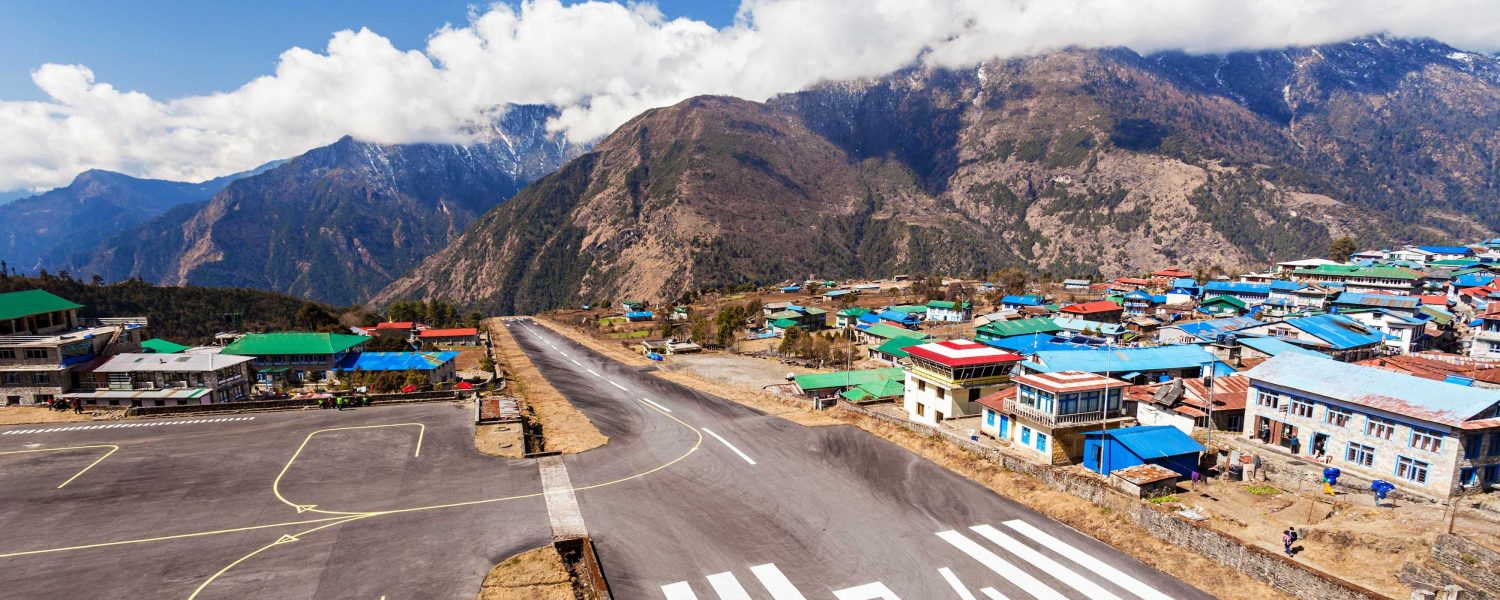
Nepal is one of the world’s most spectacular adventure destinations, home to the Himalayas, remote trekking trails, and high-altitude expeditions. However, the same rugged geography that makes Nepal extraordinary also makes emergency response challenging. In many regions, helicopter emergency services are not a luxury—they are a lifeline.
As a professional helicopter operator in Nepal, we provide this guide to help travelers understand how helicopter emergency services work, when they are needed, and how to manage them effectively during trekking, mountaineering, tours, or remote travel.
Understanding Helicopter Emergency Services in Nepal
Helicopter Emergency Medical Services (HEMS) in Nepal are designed to respond quickly to medical, altitude-related, weather-related, and accident emergencies—especially in areas without road access.
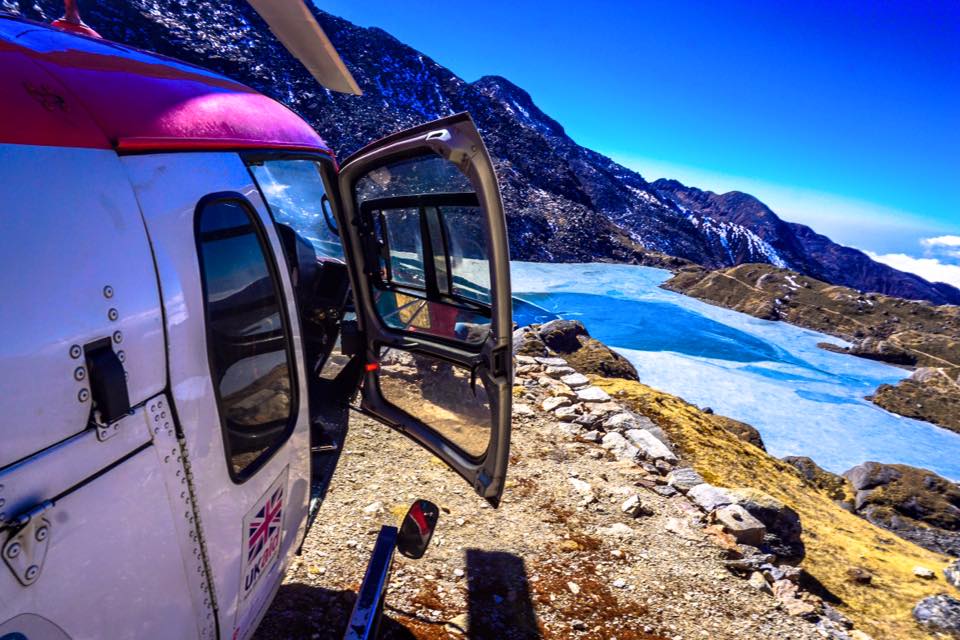
Helicopters are the fastest and often the only evacuation option from regions such as:
-
Everest (Khumbu)
-
Annapurna
-
Manaslu
-
Langtang
-
Dolpo
-
Mustang
-
Remote Himalayan villages
Emergency helicopters are typically operated by licensed aviation companies in coordination with:
-
Trekking agencies
-
Travel insurance providers
-
Hospitals
-
Local authorities
Common Situations Requiring Helicopter Emergency Service
1. Altitude Sickness (AMS, HAPE, HACE)
High-altitude illness is the number one reason for emergency evacuation in Nepal. Symptoms can escalate rapidly and may become life-threatening.
Immediate helicopter evacuation is required if:
-
Oxygen support is not effective
-
The patient shows confusion, breathlessness, or loss of coordination
-
Descent by foot is not possible
2. Trekking and Mountaineering Accidents
-
Slips and falls
-
Broken bones
-
Head injuries
-
Avalanche or rockfall injuries
In remote terrain, helicopter rescue is often the only safe option.
3. Medical Emergencies
-
Heart conditions
-
Severe infections
-
Dehydration
-
Diabetic or blood pressure emergencies
4. Weather or Natural Emergencies
-
Sudden snowstorms
-
Landslides
-
Flooded trails
-
Stranded trekkers due to flight cancellations
Step-by-Step: How Helicopter Emergency Service Is Managed
Step 1: Identify the Emergency
The moment a serious health or safety risk is identified:
-
Stop trekking or travel immediately
-
Provide first aid or oxygen if available
-
Keep the patient warm and stable
Step 2: Contact the Emergency Coordinator
Emergency calls are usually made through:
-
Trekking guide or tour leader
-
Local lodge owner
-
Helicopter operator emergency desk
-
Travel insurance emergency hotline
Key information required:
-
Exact location (village name, GPS if possible)
-
Patient condition and symptoms
-
Weather conditions
-
Number of people involved
Step 3: Insurance Verification and Approval
Most helicopter evacuations in Nepal are insurance-backed.
Operators coordinate with:
-
International insurance companies
-
Assistance companies
-
Local hospitals
If insurance is confirmed:
-
Approval is issued
-
Helicopter dispatch begins immediately
If insurance is not available:
-
Private charter options are offered
-
Payment terms are explained clearly
Step 4: Helicopter Dispatch and Rescue
Once approved:
-
A suitable helicopter is assigned
-
Weather and visibility are checked
-
Pilot coordinates with ground teams
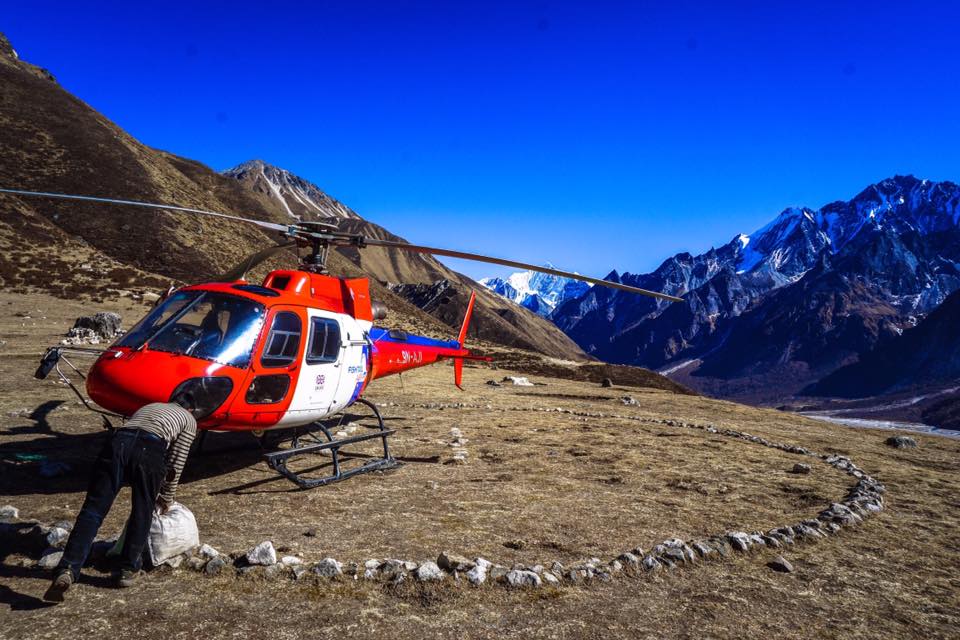
Landing may occur at:
-
Helipads
-
Open fields
-
Trails or ridgelines (if safe)
In some cases, short-haul or hover pick-up may be used.
Step 5: Medical Transfer and Hospitalization
Patients are usually evacuated to:
-
Kathmandu hospitals
-
Pokhara hospitals
-
Regional medical centers
Medical handover is completed with:
- Doctors
- Emergency staff
- Insurance representatives
What Travelers Should Do Before Coming to Nepal
1. Buy the Right Travel Insurance
Ensure your policy includes:
- High-altitude coverage (up to 6,000m or more)
- Helicopter evacuation
- Medical treatment in Nepal
- Adventure activities
2. Choose Licensed Operators
Always travel with:
- Registered trekking agencies
- Licensed helicopter service providers
- Experienced local guides
This ensures faster response and smoother coordination during emergencies.
3. Share Emergency Contacts
Before your trip:
- Save helicopter operator emergency numbers
- Share insurance details with your guide
- Keep passport and policy copies accessible
Helicopter Emergency Service Cost in Nepal (Overview)
Emergency helicopter costs depend on:
- Distance
- Region
- Weather
- Type of helicopter
- Urgency
Approximate range:
-
Short evacuations: USD 2,500 – 4,000
-
High-altitude long-distance rescues: USD 4,500 – 8,000+
Insurance usually covers these costs if the policy is valid.
Weather and Safety Limitations
Even in emergencies, helicopters operate under strict safety rules.
Rescue may be delayed due to:
-
Poor visibility
-
Strong winds
-
Heavy snowfall
-
Cloud cover
Professional operators always prioritize crew and patient safety over speed.
Why Professional Helicopter Operators Matter
As an experienced helicopter operator in Nepal, our role includes:
-
24/7 emergency coordination
-
Direct communication with pilots and hospitals
-
Insurance liaison
-
Ethical rescue operations
-
Transparent pricing
-
Safety-first decision-making
Choosing a reliable operator can save critical time and lives.
Final Advice for Travelers
Nepal is safe for adventure—but preparation is essential.
To manage helicopter emergency services effectively:
-
Travel insured
-
Trek responsibly
-
Ascend gradually
-
Listen to your body
-
Trust experienced operators
A helicopter emergency service is not something travelers plan to use—but when needed, it becomes the most important part of the journey.
Emergency Helicopter Services in Nepal
Fast Response | Professional Pilots | Medical Coordination | 24/7 Support
Recent From Blogs
24 Dec 2022
29 Mar 2023
29 Mar 2023
03 Apr 2023
03 Apr 2023
04 Apr 2023
05 Apr 2023
26 Jun 2023
03 Jul 2023