
By Nepal Chopper 13 Sep 2024
Is A Helicopter Tour To Everest Safe
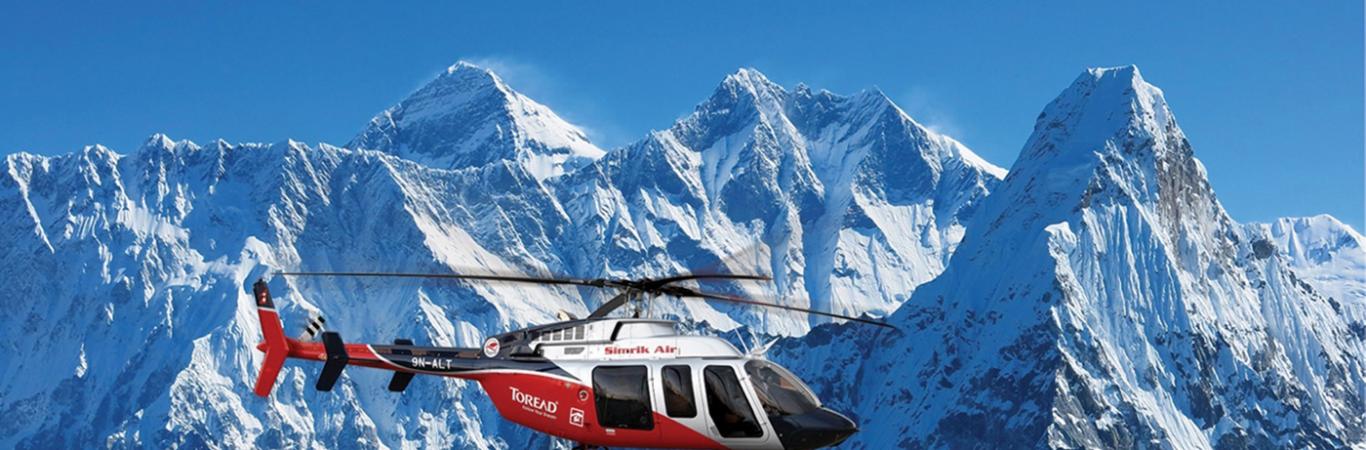
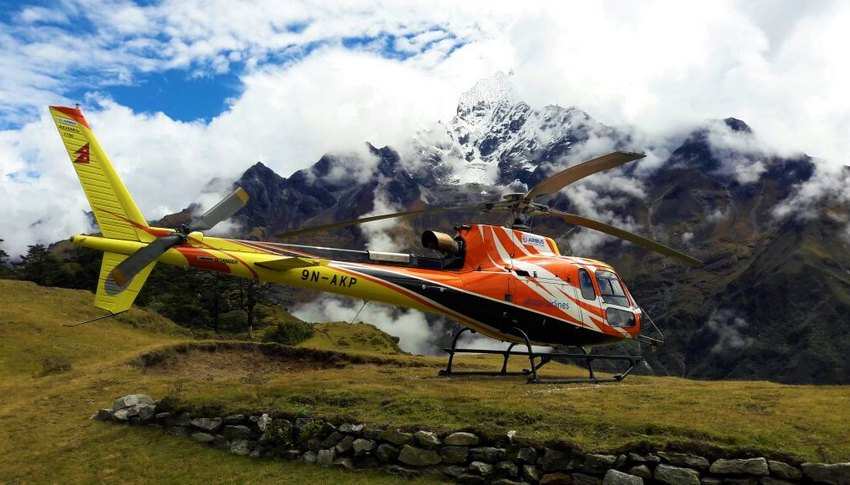
A helicopter tour to Mount Everest is one of the most exhilarating and visually breathtaking experiences for adventure enthusiasts and nature lovers alike. Soaring above the towering peaks of the Himalayas, the journey offers unrivaled views of the world's tallest mountain. However, safety is always a concern when it comes to high-altitude travel, especially in remote regions. In this blog, we will explore the key aspects of helicopter tour safety to Everest and why it has become a popular yet secure adventure option.
1. Advanced Helicopters Designed for High-Altitude Flights
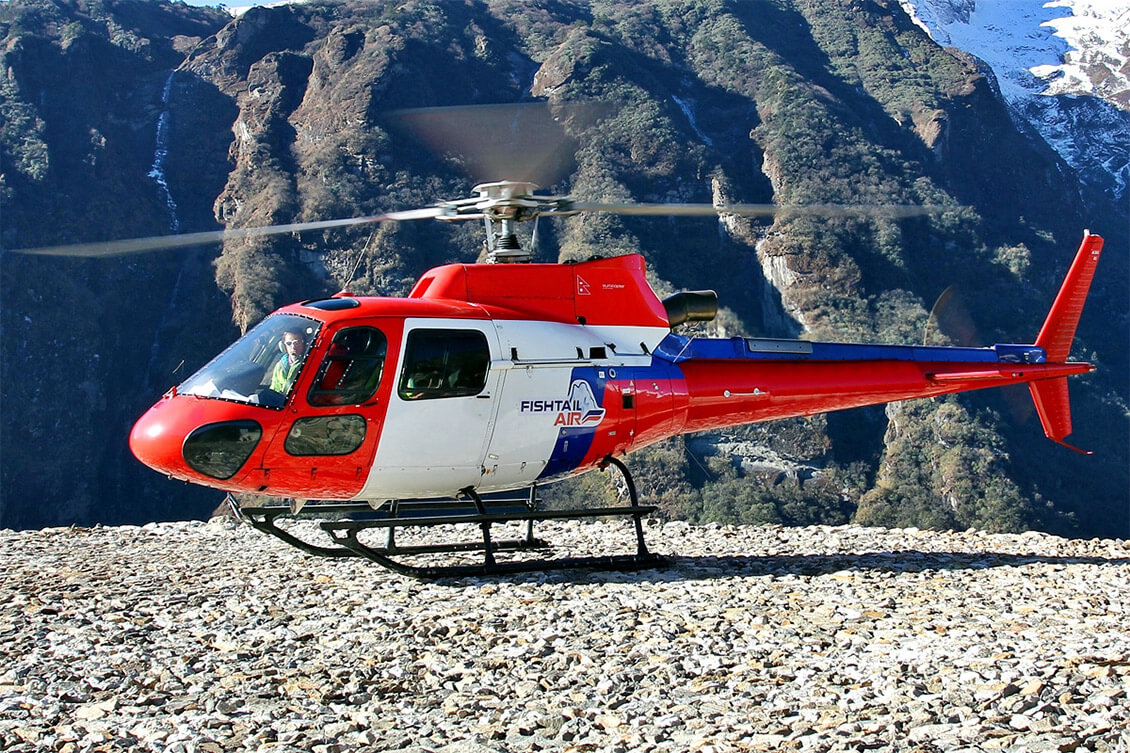
Modern helicopters used for Everest tours are engineered to withstand the challenging conditions of high altitudes. These helicopters are equipped with advanced engines and flight systems designed specifically for high-performance flying in extreme environments like the Himalayas.
Safety Feature Highlights:
- Pressurized cabins to maintain comfort at high altitudes.
- Enhanced stability controls for flying in turbulent weather conditions.
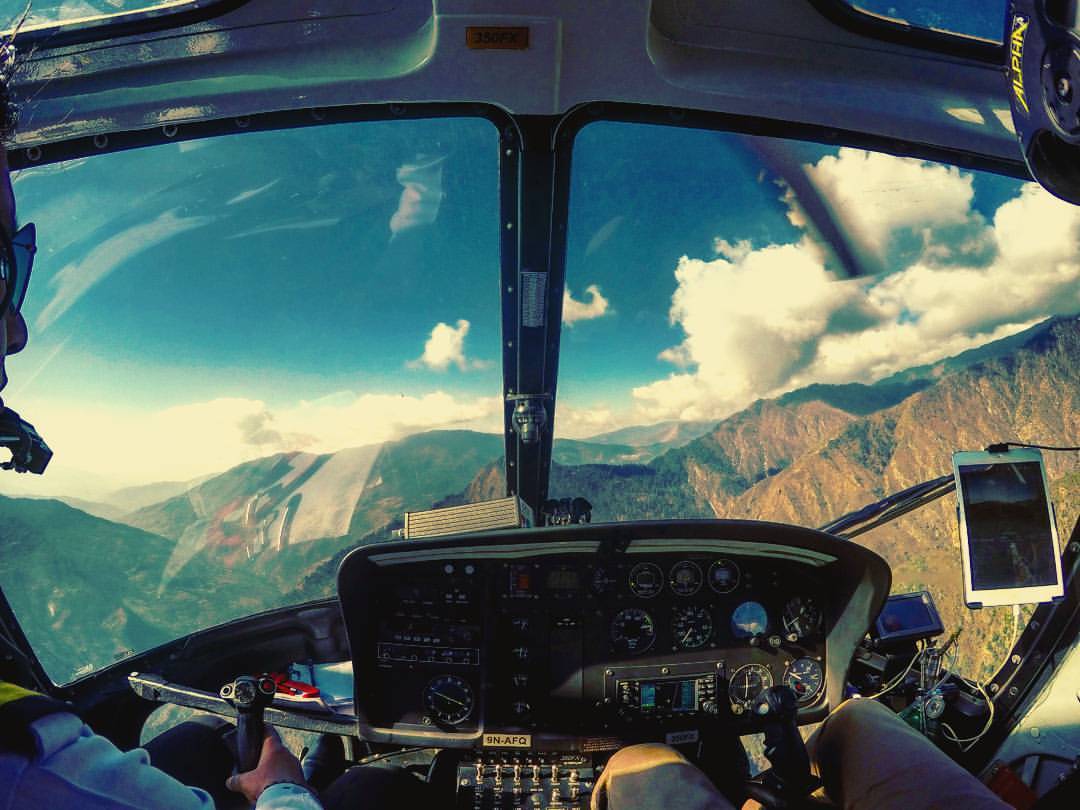
- Advanced navigation systems that help pilots manage the complex terrain.
2. Experienced Pilots and Crew
One of the critical factors ensuring the safety of an Everest helicopter tour is the expertise of the pilots and crew. Helicopter tours in this region are operated by experienced pilots who have thousands of hours of flight experience, particularly in the Himalayas.
What Makes Them Reliable:
- Thorough knowledge of the region’s weather patterns.
- Expert handling of helicopters in varying visibility conditions.
- Constant communication with ground staff and air traffic control for real-time updates.
3. Weather Monitoring and Flight Planning
The weather in the Everest region is notoriously unpredictable, and flights are only permitted when conditions are safe. Operators closely monitor the weather before and during the tour to ensure optimal flying conditions. Tours are often scheduled in the morning when the skies are usually clearer and winds are more stable. In case of unfavorable weather, tours are either delayed or canceled.
Weather Considerations:
- Cloud cover, wind speed, and temperature fluctuations are closely monitored.
- Pilots rely on updated satellite data for real-time weather tracking.
- Operators schedule flights based on the best seasonal and daily weather conditions.
4. Altitude Sickness and Oxygen Availability
At such high altitudes, passengers may be concerned about altitude sickness (Acute Mountain Sickness or AMS). While the helicopter minimizes time spent at extreme altitudes, operators are still well-prepared to manage AMS risks.
Mitigating Altitude Sickness:
- Oxygen supplies are available onboard for those who may need it.
- The rapid ascent and descent reduce the time spent at elevations where AMS typically occurs.
- Pilots descend immediately if a passenger shows severe symptoms of AMS.
5. Helicopter Maintenance and Safety Standards
Safety in helicopter operations is not just about the pilot or the weather; the helicopters themselves must be maintained to the highest standards. Reputable tour operators comply with international aviation safety standards, ensuring their helicopters undergo rigorous checks before each flight.
Maintenance Protocols Include:
- Regular inspections of engines, rotors, and electronic systems.
- Maintenance by certified technicians experienced in high-altitude helicopter mechanics.
- Strict adherence to aviation regulations set by Nepal's Civil Aviation Authority.
6. Emergency Preparedness
In rare instances of emergencies, the helicopter crew is trained to handle various contingencies, including emergency landings in remote areas. Due to the geography of the Everest region, pilots are familiar with potential safe landing sites and evacuation protocols.
Emergency Procedures:
- Availability of first-aid kits and emergency oxygen onboard.
- Pilots are trained for rapid descents to safer altitudes.
- Quick response systems to contact rescue teams if needed.
7. Risk Management by Reputable Operators
Choosing a reliable tour operator is crucial for ensuring a safe and enjoyable experience. Established companies have a proven track record of safe operations and maintain high customer satisfaction. They follow strict safety protocols and prioritize passenger safety above all else.
Key Points to Check:
- Operator’s history of successful flights and safety records.
- Positive reviews from previous passengers.
- Certification and licenses of both the operator and pilots.
Conclusion: A Safe and Thrilling Experience
While any adventure in the Everest region comes with inherent risks, helicopter tours are generally considered a safe way to experience the grandeur of Mount Everest up close. With advanced technology, expert pilots, strict safety protocols, and real-time weather monitoring, these tours are designed to provide an unforgettable experience while prioritizing passenger safety.
If you dream of witnessing Everest's iconic peak without the strenuous trek, a helicopter tour offers a thrilling, yet secure way to make it a reality. As always, ensure you choose a reputable operator, follow the safety guidelines, and enjoy the ride of a lifetime!
Recent From Blogs
24 Dec 2022
29 Mar 2023
29 Mar 2023
03 Apr 2023
03 Apr 2023
04 Apr 2023
05 Apr 2023
26 Jun 2023
03 Jul 2023