Kala Patthar, situated at an altitude of approximately 5,643 meters (18,513 feet), is a prominent viewpoint near Everest Base Camp in Nepal. Known for its breathtaking views of Mount Everest and the surrounding peaks, Kala Patthar attracts trekkers from around the world. However, the high altitude and harsh weather conditions can pose serious risks, including altitude sickness and sudden weather changes, making emergency evacuations a critical part of the safety planning for trekkers and climbers in this region.
1. Reasons for Emergency Evacuation:
Acute Mountain Sickness (AMS): Due to its high elevation, trekkers often experience symptoms of altitude sickness such as headaches, nausea, dizziness, and fatigue. In severe cases, High Altitude Pulmonary Edema (HAPE) or High Altitude Cerebral Edema (HACE) can occur, both of which are life-threatening and require immediate descent.
Severe Weather Conditions: The weather in the Himalayas can change rapidly. Snowstorms, high winds, and extreme cold can lead to hypothermia and frostbite, necessitating urgent evacuation.
Physical Injuries: Slippery paths, rocky terrain, and fatigue can lead to accidents like sprained ankles, fractures, or more severe injuries that might require quick transport to a medical facility.
Exhaustion and Dehydration: The steep and challenging terrain, combined with the low oxygen levels, can lead to severe exhaustion or dehydration, making it difficult for trekkers to continue or safely descend on foot.
2. Types of Evacuation:
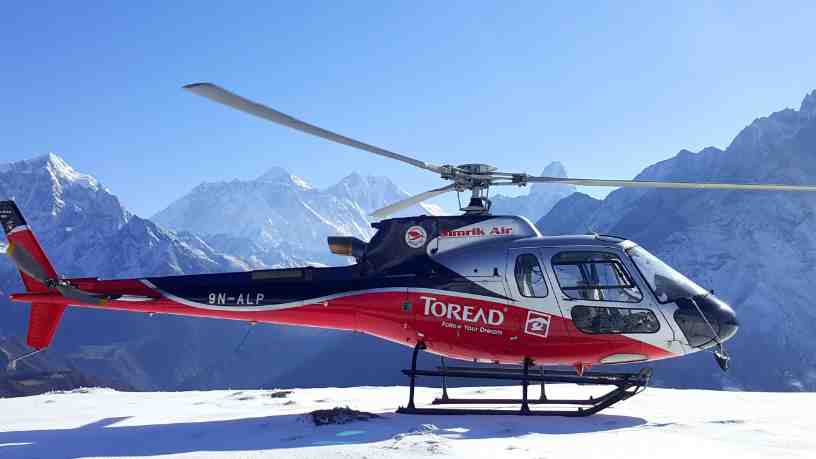
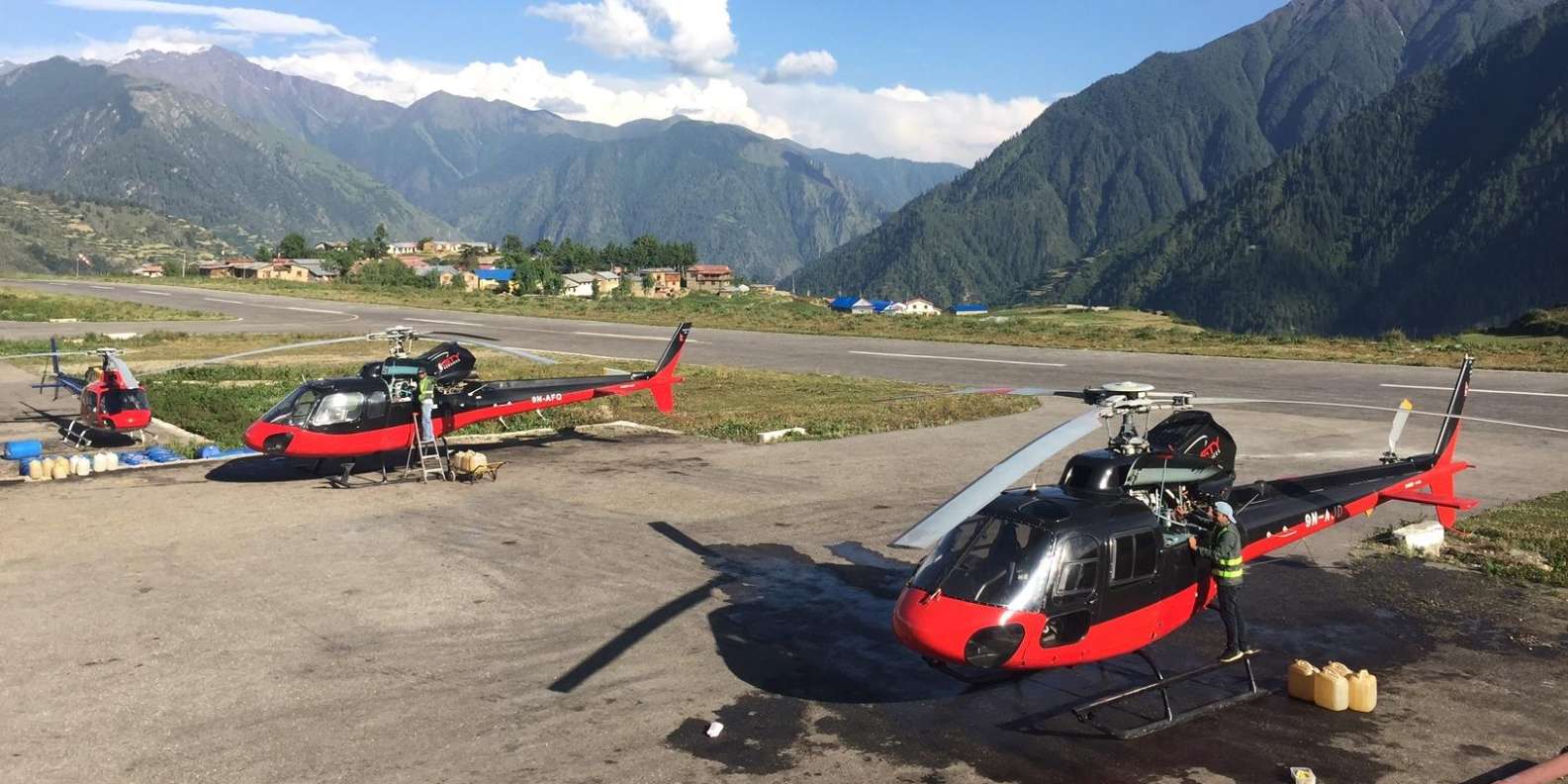
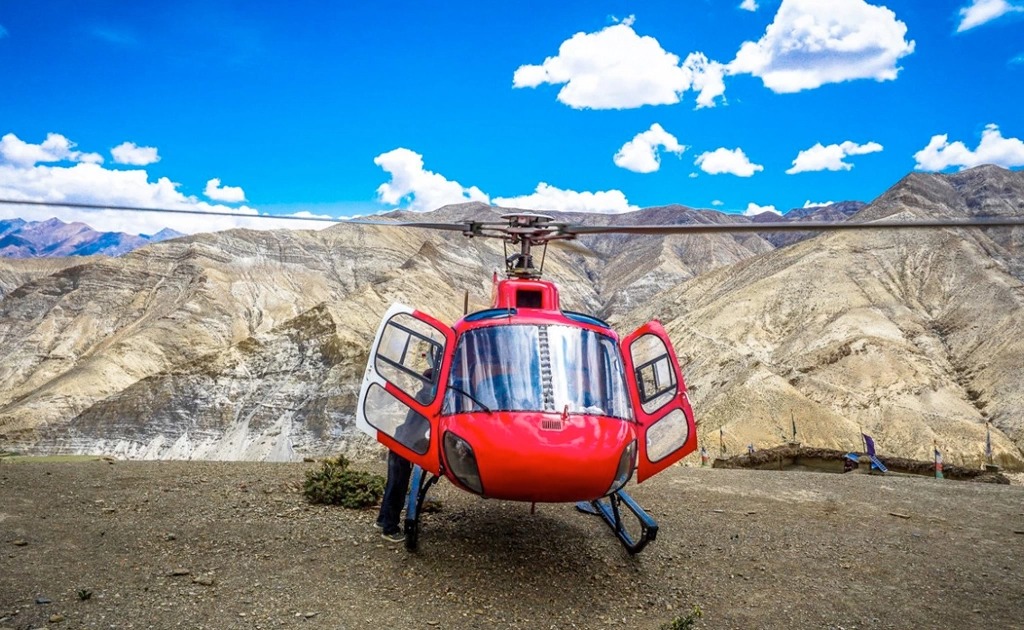
Helicopter Evacuation: This is the most common and effective method for emergency evacuation from Kala Patthar to Kathmandu. Helicopters can reach Kala Patthar quickly, weather permitting, and transport the affected individuals to Kathmandu or to the nearest medical facility.
Ground Rescue: In situations where helicopter evacuation is not possible due to poor weather conditions or lack of visibility, ground rescue teams can assist in descending to a lower altitude. These rescues are time-consuming and can be challenging, especially in adverse weather.
3. Procedure for Helicopter Evacuation:
Contacting Emergency Services: The first step is to inform the trekking guide or team leader about the emergency. Most trekking agencies and guides carry satellite phones or have access to communication devices to contact rescue services. It's crucial to have insurance that covers helicopter rescue and medical evacuation.
Weather and Location Assessment: The rescue team evaluates the weather conditions and location to determine the feasibility of a helicopter landing. Often, the helipad is a designated area at Gorak Shep, which is around a 1-2 hour hike from Kala Patthar.
Helicopter Dispatch: Once conditions permit, a helicopter is dispatched from Lukla or Kathmandu. The helicopter pilots are highly skilled in navigating the challenging mountain terrain.
Loading and Evacuation: The affected individual(s) are carefully loaded into the helicopter. Given the high altitude, helicopters often have weight limitations. In some cases, only one person can be evacuated at a time to ensure safe take-off and landing.
Transport to Kathmandu: The helicopter descends to Lukla or a lower altitude for refueling before proceeding to Kathmandu. The total time for evacuation can vary depending on weather and logistical factors but is typically completed within a few hours.
4. Challenges and Considerations:
Weather Dependency: Helicopter rescues are highly weather-dependent. Poor visibility, strong winds, or snowstorms can delay or even prevent helicopter flights.
Altitude and Air Pressure: High-altitude locations like Kala Patthar pose additional challenges for helicopter operations due to thin air and reduced engine performance. Pilots are required to have specialized training and experience in high-altitude flying.
Cost: Helicopter evacuations are expensive, and trekkers need to have comprehensive travel insurance that covers emergency rescue and evacuation in remote locations.
Medical Support: Some helicopters may have basic medical facilities or personnel onboard. However, the primary goal is to transport the individual to a well-equipped medical facility in Kathmandu for comprehensive treatment.
5. Post-Evacuation Medical Care:
Once in Kathmandu, the evacuee is typically transported to a hospital or medical center specializing in altitude-related illnesses, such as CIWEC Clinic or Himalayan Rescue Association (HRA) facilities. Treatment may include oxygen therapy, intravenous fluids, and other medical interventions as required. After stabilization, a thorough evaluation is conducted to determine the need for further treatment or rest.
6. Preventive Measures:
Proper Acclimatization: Taking the time to acclimatize properly during the trek can prevent many altitude-related issues.
Regular Health Monitoring: Regularly checking oxygen saturation levels and watching for symptoms of altitude sickness can help in early identification and intervention.
Emergency Planning: Always have a comprehensive emergency plan in place, including contacts for rescue services and a reliable means of communication.
Emergency evacuations from Kala Patthar to Kathmandu are critical in life-threatening situations and are carried out with precision and care by highly trained rescue teams. It’s important for trekkers to be aware of the risks and take necessary precautions to ensure their safety in the high-altitude environment of the Himalayas. If you need any help during the trek you can contact Nepal Chopper at WhatsApp: +9779818856359


 Best price guaranteed