Tal to an Expert ( Team )

 Best price guaranteed No booking fees Safe Trip Plan
Based on 341 Reviews

The Himalayan region, with its breathtaking peaks and serene valleys, attracts adventurers from around the world. One of the most popular trekking routes is the Everest Base Camp trail, which leads travelers through high-altitude villages like Pheriche. Nestled at an elevation of 4,371 meters (14,340 feet), Pheriche serves as a crucial resting stop for trekkers ascending towards Everest Base Camp or returning after the climb. However, with the beauty of the mountains comes the ever-present risk of altitude sickness and other health emergencies. In such situations, an emergency evacuation becomes essential to save lives.
Pheriche, located in the Solukhumbu District of Nepal, is a modest village surrounded by towering mountains. Trekkers often spend time here acclimatizing to the high altitudes before moving higher into the Everest region. Despite its remote location, Pheriche is home to a Himalayan Rescue Association (HRA) medical post, which is a lifeline for trekkers facing altitude-related illnesses such as Acute Mountain Sickness (AMS), High Altitude Pulmonary Edema (HAPE), or High Altitude Cerebral Edema (HACE).
These conditions can escalate rapidly, and the only solution is to descend to lower altitudes. In severe cases, where descending by foot is not an option, a helicopter evacuation becomes the most viable and swift lifesaving measure.
While trekking in the Himalayas, especially in high-altitude regions like Pheriche, medical emergencies are not uncommon. The thin air at high elevations reduces oxygen levels, causing many trekkers to experience symptoms like headaches, dizziness, nausea, and extreme fatigue. Ignoring these symptoms can lead to serious health issues such as HAPE or HACE, both of which are life-threatening if not treated immediately.
In some cases, individuals may also experience trauma from falls, frostbite, or exhaustion. Given the remote location of Pheriche and the lack of road access, the quickest way to transport a patient to a hospital is by air. Kathmandu, the capital of Nepal, is the nearest city with advanced medical facilities, making it the destination for emergency evacuations.
An emergency evacuation from Pheriche to Kathmandu typically involves several key steps:
Assessment by Medical Staff: Upon arrival at the HRA post in Pheriche, patients are assessed by trained medical personnel. If the condition is deemed serious or life-threatening, the decision to evacuate by helicopter is made.
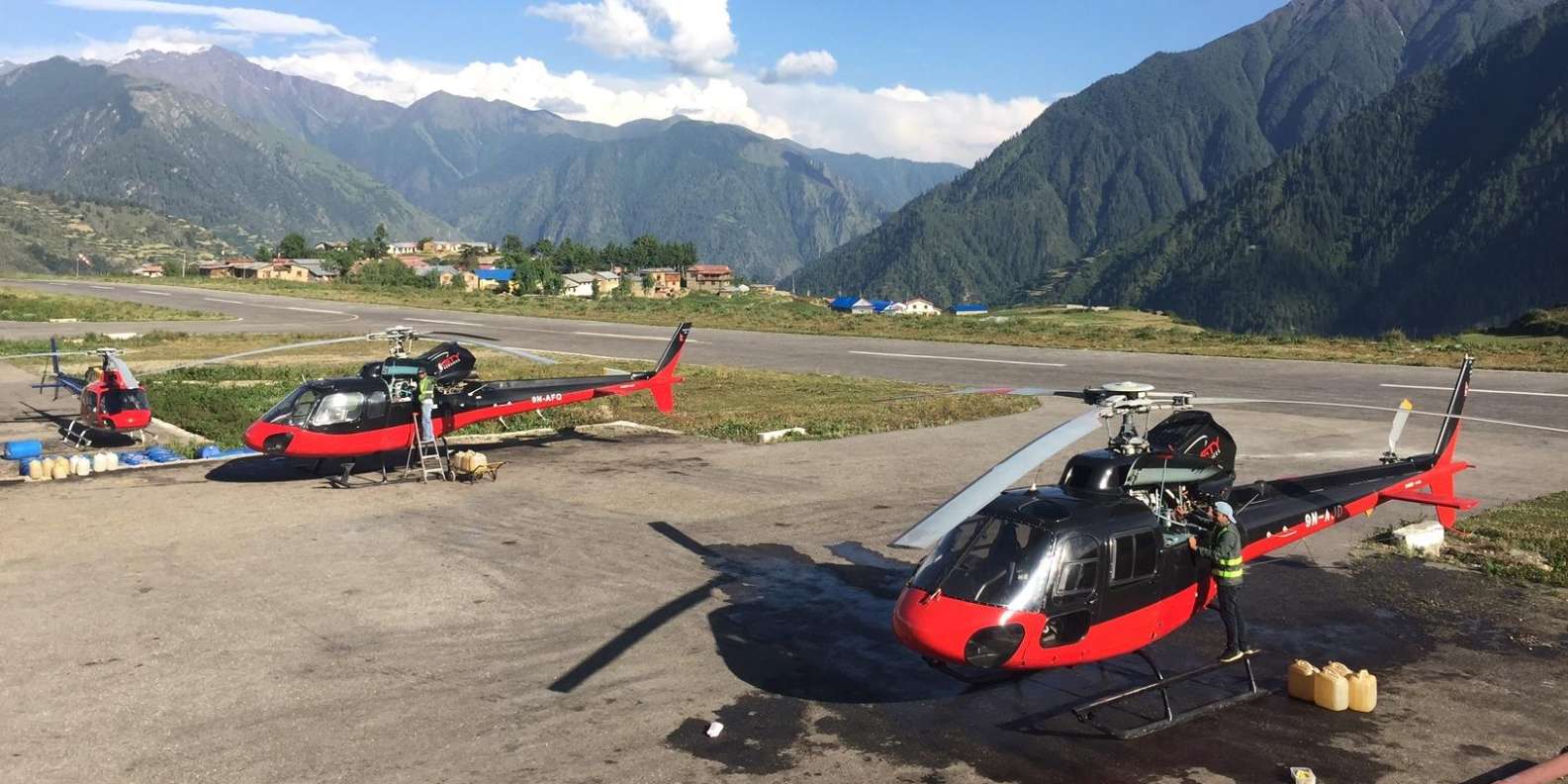
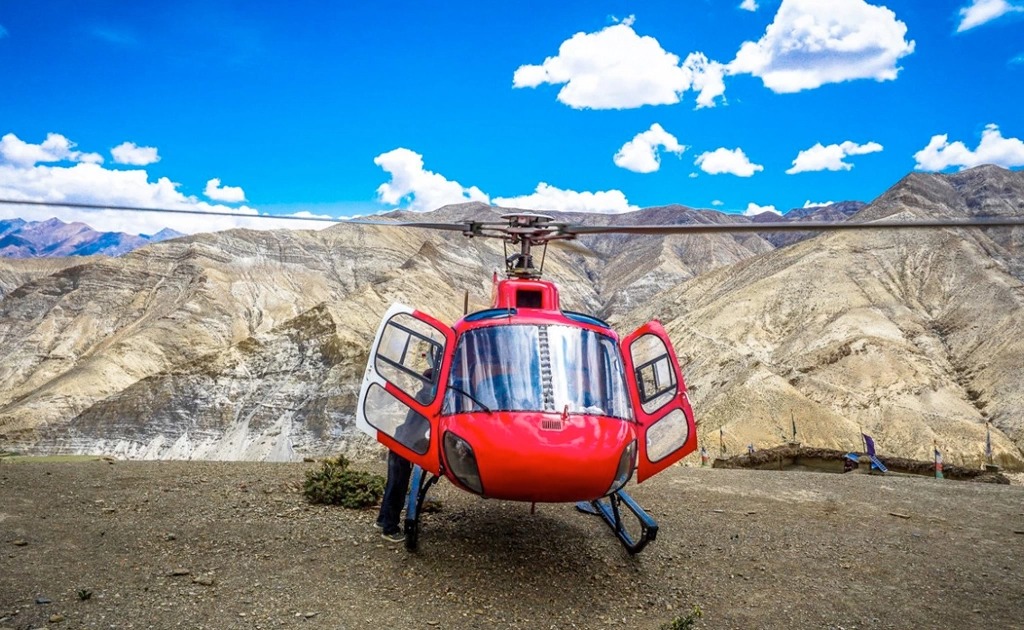
Communication with Helicopter Services: The HRA medical post or local guides will contact helicopter services based in Lukla or Kathmandu. Fortunately, Nepal has well-established evacuation systems with numerous companies offering helicopter services. These helicopters are equipped to fly at high altitudes, making them capable of landing even in rugged mountainous terrains like Pheriche.
Helicopter Arrival and Evacuation: Weather permitting, a helicopter can arrive within a few hours. The patient is stabilized and secured for the journey, and a flight to Kathmandu typically takes around 30 minutes to an hour, depending on conditions.
Hospital Transfer in Kathmandu: Once the helicopter lands in Kathmandu, the patient is rushed to a hospital, usually one specializing in altitude-related illnesses or trauma care, such as CIWEC Hospital or Grande International Hospital. In severe cases, patients may be admitted to the ICU for immediate treatment.
While the process may sound straightforward, emergency evacuations in the Himalayas are not without challenges. The primary hurdle is often the unpredictable weather. Fog, snow, and high winds can delay helicopter arrivals, sometimes forcing patients to wait in critical condition. Additionally, the high altitude places extra strain on both the patient and helicopter crew, adding complexity to the rescue operations.
Another significant challenge is cost. Helicopter evacuations in Nepal are expensive, with costs ranging from $3,000 to $5,000 or more, depending on the location. Therefore, trekkers are strongly advised to carry travel insurance that covers high-altitude trekking and helicopter evacuations.
Consider a typical scenario: a trekker starts feeling unwell at Everest Base Camp but dismisses the symptoms as mild altitude sickness. As they descend to Pheriche, the symptoms worsen, with difficulty breathing and severe weakness. Upon arriving at the HRA clinic, they are diagnosed with HAPE, a dangerous accumulation of fluid in the lungs due to altitude. The medical staff immediately call for a helicopter evacuation.
Within hours, despite worsening weather conditions, a helicopter manages to land in Pheriche. The trekker is airlifted to Kathmandu and admitted to the hospital for oxygen therapy and further treatment. In this scenario, the prompt decision to evacuate undoubtedly saved the trekker's life.
Emergency evacuations from places like Pheriche highlight the importance of preparation when trekking in the Himalayas. Altitude sickness can strike even the fittest individuals, and having an evacuation plan in place can make the difference between life and death. Trekking agencies and guides usually have contacts with helicopter services, but trekkers themselves must ensure they are adequately insured for such emergencies.
While the allure of the Himalayas is undeniable, it’s crucial to remember the inherent risks associated with high-altitude trekking. Pheriche, a small village in the mountains, has seen countless lives saved thanks to timely helicopter evacuations to Kathmandu. These rescues are a testament to the remarkable coordination between medical teams, helicopter pilots, and trekking agencies. For adventurers, being informed, prepared, and cautious can ensure that a dream trek does not turn into a nightmare.
 30 Minute
Any Time: Pheriche, located in the Solukhumbu District of Nepal, is a modest village surrounded by towering mountains. Trekkers often spend time here acclimatizing to the high altitudes before moving higher into the Everest region. Despite its remote location, Pheriche is home to a Himalayan Rescue Association (HRA) medical post, which is a lifeline for trekkers facing altitude-related illnesses such as Acute Mountain Sickness (AMS), High Altitude Pulmonary Edema (HAPE), or High Altitude Cerebral Edema (HACE).
 MEALS
MEALS  4.9 Excellent 278 Reviews form Google
 Best price guaranteed
No booking fees
Safe Trip Plan
Best price guaranteed
No booking fees
Safe Trip Plan
Response Time 0-2 Hours , Response Rate 100%
© 2011 - 2026 All rights reserved. Nepal Chopper Pvt. Ltd.