The Makalu region, named after the fifth-highest mountain in the world, Makalu (8,485 meters), is located in the eastern Himalayas of Nepal. The area is remote, rugged, and characterized by its challenging terrain, extreme weather conditions, and limited accessibility. Rescues from this region are complex operations that require meticulous planning, coordination, and the involvement of skilled personnel. Here’s a detailed look at what a rescue from the Makalu region might entail:
1. Geographical and Climatic Challenges
Terrain: The Makalu region is a mix of steep slopes, glaciers, and crevasses. The terrain is treacherous, with unstable rocks, icefalls, and deep gorges. This makes it difficult for rescuers to reach injured or stranded climbers, especially in higher altitudes.
Altitude: With the base camp itself situated at around 4,800 meters, altitude sickness is a common issue for trekkers and climbers. Rescues at high altitudes are dangerous for both the victim and the rescuers, due to thin air, severe cold, and physical exertion.
Weather: The weather in the Makalu region can be unpredictable and severe. Snowstorms, high winds, and sudden temperature drops can complicate rescue operations and make helicopter evacuations risky or impossible.
2. Types of Emergencies
Altitude Sickness (Acute Mountain Sickness, HAPE, HACE): One of the most common issues. Victims need immediate descent to lower altitudes.
Injuries: Falls, frostbite, and exposure are frequent in such a hazardous environment. Broken bones or severe injuries can incapacitate climbers.
Avalanches and Rockfall: These natural events can trap climbers, causing both injury and death.
3. Rescue Coordination
Communication: Communication is often limited to satellite phones and radio. The region has poor cellular coverage, making real-time coordination challenging.
Local Authorities and Agencies: The Nepalese Army, Air Force, and local agencies like the Himalayan Rescue Association are usually involved in rescue operations. Coordination with international rescue teams may also be necessary.
Search and Rescue (SAR) Teams: Specialized SAR teams with high-altitude experience are deployed. They are trained to handle the specific challenges of the Himalayas, including navigating glaciers and surviving extreme weather.
4. Rescue Operations
Ground Rescue: When helicopter evacuation is not possible, ground rescues are carried out. Rescuers may need to traverse dangerous terrain for hours or even days to reach the victim. They often carry stretchers, medical supplies, and food.
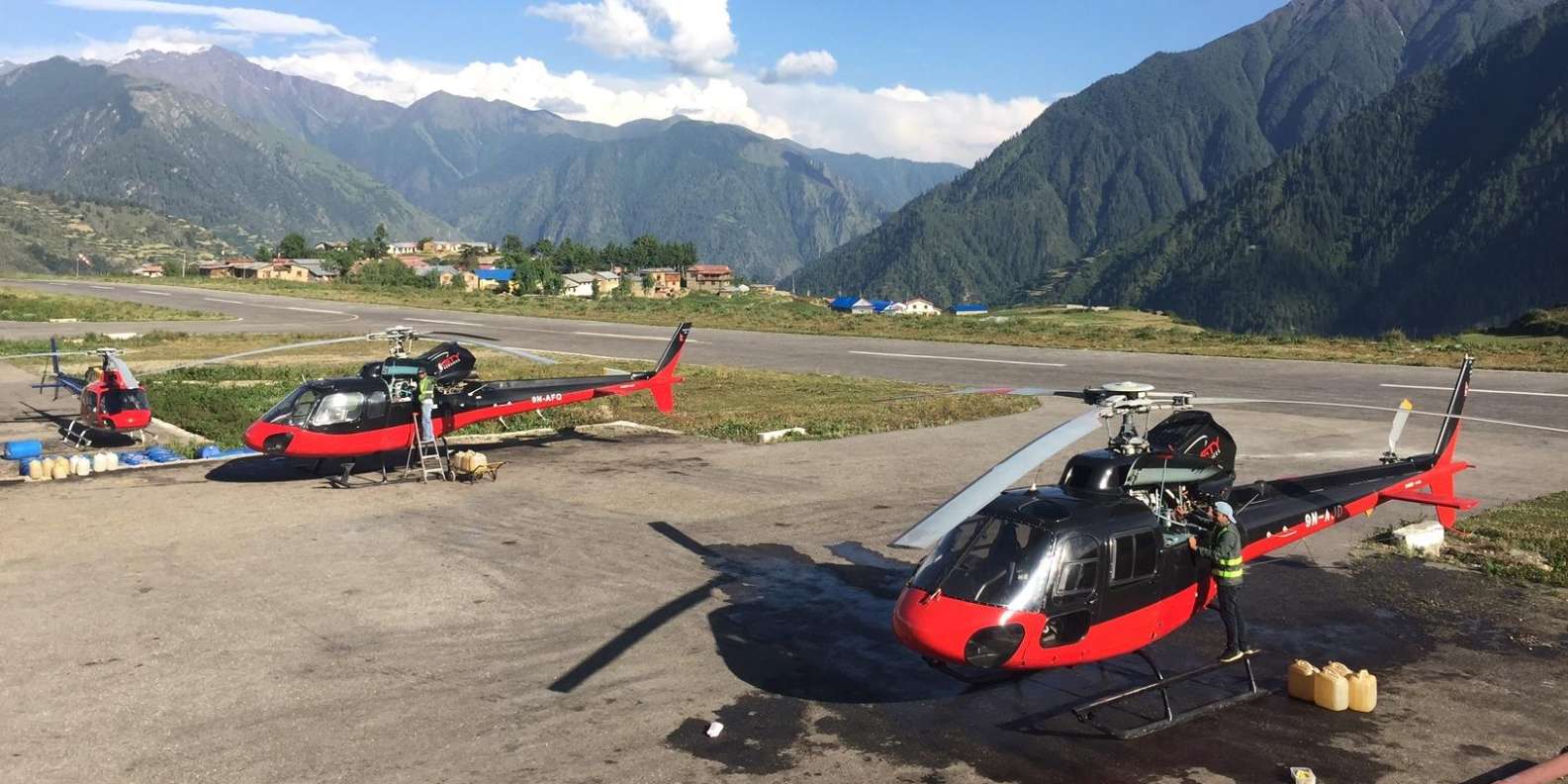
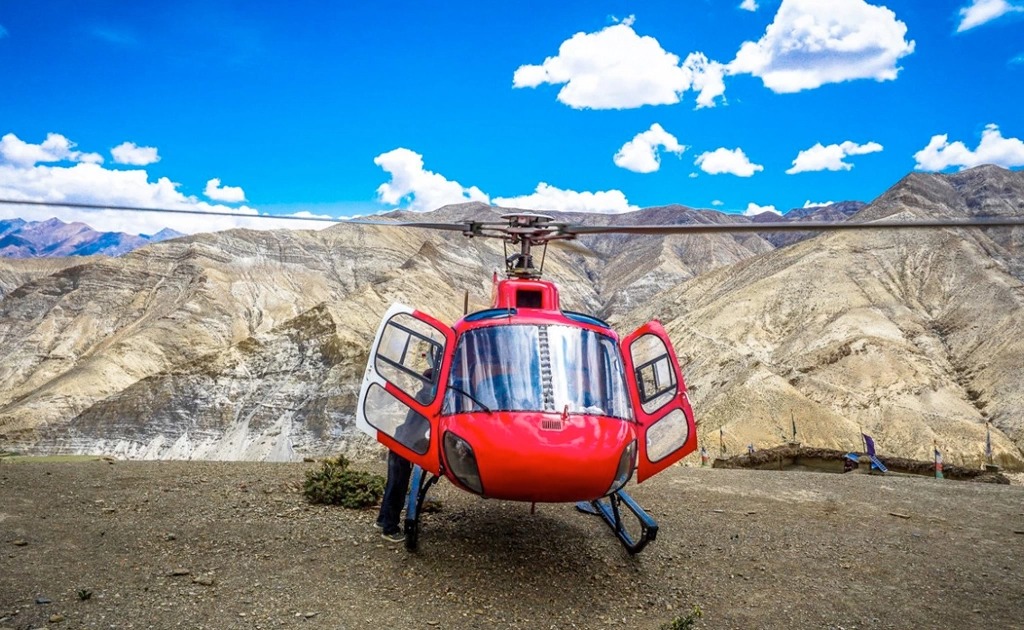
Helicopter Rescue: If weather permits, helicopters are the preferred means of evacuation, especially from high altitudes. Pilots with specialized training for high-altitude rescues are needed. They perform complex maneuvers, often flying at the limits of their helicopters' capabilities.
Medical Assistance: Immediate first aid, oxygen, and sometimes emergency medical procedures are performed on-site or in the air. Victims are usually evacuated to hospitals in Kathmandu for further treatment.
5. Challenges Faced by Rescuers
Altitude and Weather: Rescuers themselves are at risk of altitude sickness and need to be well-acclimatized. The harsh weather can cause delays and force teams to make difficult decisions about safety versus urgency.
Logistics: Transporting rescue equipment, food, and medical supplies to such remote areas is a logistical nightmare. Rescuers have to be self-sufficient for extended periods.
Cost: Rescue operations in the Himalayas are expensive, often involving high-altitude helicopters, specialized personnel, and sometimes international assistance. Costs can run into thousands of dollars.
6. Case Studies and Notable Rescues
Makalu 2017 Rescue: A climber suffered severe frostbite and had to be rescued from Camp 2 (~6,600 meters). Poor weather delayed the helicopter evacuation, forcing the ground team to carry the victim to a lower altitude.
2019 Spring Season: Several climbers were evacuated from Makalu Base Camp due to altitude sickness. A joint operation involving helicopters and ground teams was carried out.
7. Preventive Measures and Recommendations
Proper Acclimatization: Climbers should follow a gradual ascent to allow their bodies to adjust to the altitude. This can prevent many altitude-related emergencies.
Adequate Gear and Preparation: Proper clothing, high-quality climbing gear, and emergency supplies can make a significant difference in survival and comfort.
Insurance: Emergency rescue and evacuation insurance are essential for anyone venturing into the Makalu region.
In summary, rescue operations in the Makalu region are incredibly demanding, requiring a blend of expertise, courage, and precise coordination. The combination of remote location, extreme weather, and high altitude makes each rescue a high-stakes mission where timing and skill are critical.


 Best price guaranteed