Tal to an Expert ( Team )

 Best price guaranteed No booking fees Safe Trip Plan
Based on 341 Reviews
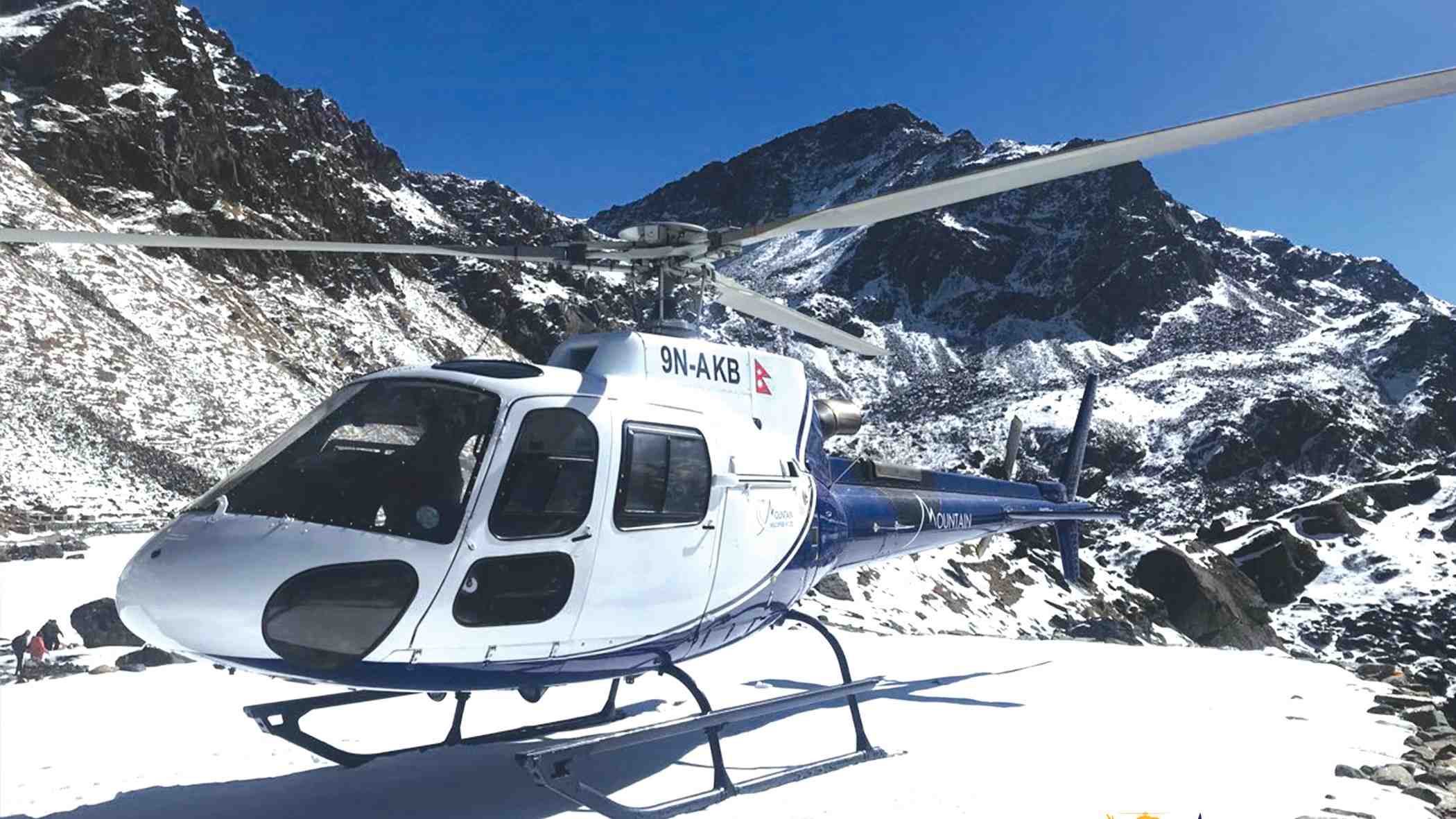
The Annapurna region in Nepal is one of the most stunning yet challenging trekking and mountaineering destinations in the world. It is home to the Annapurna massif, which includes several peaks over 7,000 meters, and the famous Annapurna Circuit, which attracts thousands of trekkers every year. However, the beauty of this region comes with risks, as the high altitudes, unpredictable weather, and challenging terrain can make trekking and climbing dangerous. In such cases, helicopter rescues become a crucial lifeline.
Helicopter rescues in the Annapurna region are often necessitated by several factors:
Acute Mountain Sickness (AMS): Due to the high altitude, trekkers and climbers can suffer from AMS, which can escalate to life-threatening conditions like High Altitude Pulmonary Edema (HAPE) or High Altitude Cerebral Edema (HACE). Immediate descent is the best remedy, and helicopters provide the fastest evacuation.
Injuries: The rugged trails and steep ascents can lead to accidents resulting in fractures, sprains, or other severe injuries, making it impossible for the victim to continue on foot.
Extreme Weather Conditions: Sudden changes in weather, such as heavy snowfall or storms, can trap trekkers in hazardous situations, making helicopter evacuation the safest option.
Lost or Stranded Trekkers: In some cases, trekkers may lose their way or become stranded in isolated areas with limited supplies. Rescue teams use helicopters to locate and extract them.
A helicopter rescue operation in the Annapurna region involves several coordinated steps:
Distress Call: The rescue process typically begins with a distress call made by the affected party or a nearby individual using satellite phones or mobile devices in areas with coverage. The call is made to a rescue coordination center, a trekking agency, or directly to a helicopter service provider.
Assessment and Coordination: The rescue coordination team assesses the situation, including the nature of the emergency, location, weather conditions, and available resources. Coordination with local authorities, trekking agencies, and sometimes the insurance company of the affected individual is necessary.
Helicopter Dispatch: Once the situation is clear, a helicopter is dispatched from the nearest available location, often from Pokhara or Kathmandu. The helicopters used for these missions are specially equipped for high-altitude flying and emergency evacuations.
Rescue Operation: Upon reaching the site, the pilot and rescue personnel must often navigate difficult terrain and unpredictable weather conditions. The helicopter may land, or in some cases, a hoist or longline rescue is performed if landing is not possible.
Evacuation to Safety: The rescued individual is taken to a lower altitude or directly to a medical facility, usually in Kathmandu or Pokhara, for further treatment and recovery.
Rescue operations in the Annapurna region come with several challenges:
Weather Conditions: The weather in the Himalayas is highly unpredictable. Sudden fog, snow, or winds can make flying hazardous and sometimes impossible, delaying rescue missions.
High Altitude and Terrain: Helicopters flying at high altitudes require experienced pilots and specialized aircraft. The mountainous terrain poses risks during takeoff, landing, and maneuvering.
Communication Issues: In remote areas, communication can be unreliable, complicating coordination and the delivery of timely assistance.
Cost and Insurance: Helicopter rescues are expensive, often costing thousands of dollars. Having travel insurance that covers emergency evacuations is essential for trekkers in this region.
Several notable rescues and tragic incidents have highlighted the dangers of trekking and climbing in the Annapurna region. For instance, in October 2014, an unexpected snowstorm led to over 40 deaths and multiple rescue operations, involving helicopters to evacuate trapped trekkers from Thorong La Pass.
To reduce the need for rescue operations:
Helicopter rescues are a vital part of ensuring the safety of those exploring the Annapurna region, and understanding the process can help trekkers better prepare for the challenges of this beautiful but demanding environment. For more information on Annapurna Rescue Contact Nepal Chopper.
 4.9 Excellent 278 Reviews form Google
A Helicopter rescue from Annapurna is required in cases of acute mountain sickness (AMS), HAPE, HACE, serious injuries, accidents, sudden illness, extreme weather exposure, or when trekkers are physically unable to descend safely. Rescue is also used during landslides, heavy snowfall, or blocked trails, which are common in Annapurna.
A Once confirmed and approved, a helicopter can usually reach most Annapurna locations within 30 minutes to 1.5 hours, depending on weather, visibility, and aircraft availability. Popular rescue points include Annapurna Base Camp (ABC), Machapuchare Base Camp (MBC), Deurali, Chhomrong, Ghorepani, Manang, Thorong La area, and surrounding villages.
A The cost of rescue from Annapurna by helicopter generally ranges between USD 3,000 to USD 6,000, depending on: Rescue location and altitude Distance to nearest hospital (Pokhara or Kathmandu) Number of flying hours Weather conditions In most cases, travel insurance covers the full cost, provided the policy includes high-altitude helicopter evacuation.
A Yes, most international travel insurance policies cover helicopter rescue in Annapurna up to 5,000–6,000 meters, as long as: The rescue is medically necessary A licensed doctor or rescue coordinator approves it The trek is not excluded in the policy Popular insurance providers include World Nomads, IMG, Allianz, and Global Rescue. Always confirm coverage before trekking.
A To initiate a rescue, the following are typically required: Copy of passport Travel insurance policy & emergency contact Trekking permit details (ACAP) Current location and patient condition If the injured person is unconscious, guides or trekking agencies usually coordinate this on the trekker’s behalf.
A Helicopters land at designated helipads or open areas near trekking routes, such as: Annapurna Base Camp Machapuchare Base Camp Chhomrong Deurali Manang Yak Kharka Thorong Phedi (weather permitting) If landing is not possible, winch rescue may be used in extreme terrain.
A Most rescued trekkers are flown to: Pokhara hospitals (Fewa City Hospital, CIWEC Clinic Pokhara, Metro City Hospital) Or Kathmandu hospitals for advanced treatment The choice depends on medical urgency and weather conditions.
A Yes. Rescue flights are operated by experienced mountain pilots trained for high-altitude flying. Flights are conducted only in safe weather windows, typically in the morning when wind conditions are most stable. Safety remains the top priority during all rescue operations.
A Helicopter rescue in Annapurna cannot operate in heavy rain, snowfall, strong wind, fog, or at night. Most rescues are conducted between 6:30 AM and 3:30 PM. If weather is poor, patients may need temporary stabilization until flying conditions improve.
A Rescue is coordinated by: Trekking agencies Licensed helicopter companies Insurance companies Local guides and rescue coordination centers Once insurance approval is granted, the helicopter company dispatches the aircraft immediately.
 Best price guaranteed
No booking fees
Safe Trip Plan
Best price guaranteed
No booking fees
Safe Trip Plan
Response Time 0-2 Hours , Response Rate 100%
© 2011 - 2026 All rights reserved. Nepal Chopper Pvt. Ltd.